This post was originally published on here
This is an edition of the Books Briefing, our editors’ weekly guide to the best in books.
This year’s Atlantic 10—our list of the best books of 2025—is an attempt to celebrate writing that “distinguishes itself as worth reading and remembering for years to come.” I think we’ve accomplished that. But the Atlantic 10 is also a product of deliberation and consensus, meant to reflect a wide range of tastes and subjects. Inevitably, a very short list can’t include all of our personal favorites.
First, here are four new stories from The Atlantic’s Books section:
Looking back at my notes, I’m reminded of other titles published this year that I loved: Amanda Hess’s Second Life; Vauhini Vara’s Searches; Michelle de Kretser’s Theory & Practice. I spent this summer evangelizing to friends about The Dry Season, Melissa Febos’s memoir of a year spent celibate. I was much more impressed with David Szalay’s resonant novel of male alienation, Flesh, than I’d expected to be—and felt affirmed in my reaction when it won the Booker Prize in November. I was particularly moved by Beth Macy’s Paper Girl, a memoir in which the journalist returns to her hometown in Ohio and investigates, with humility and curiosity, how the city she grew up in became so economically depressed and politically polarized during her time away.
I love looking at other year-end lists, too—especially when they elevate books that didn’t quite click with me. This disjunction presents a challenge (a positive one!): to imagine what other juries found exciting or edifying in their selected titles; to reevaluate my own whims; to recognize the impossibility of universal agreement when it comes to subjective tastes. Take a look at our list—and the others—for yourself. What conversations might they start? And what will you read next?
The Atlantic 10
What to Read
The Postman Always Rings Twice, by James M. Cain
By far the shortest book on this list, Cain’s classic noir can be gulped down in one sitting. Its plot is about, well, plotting: The two thoroughly unlikable lovers who drive the action of the story, Frank and Cora, are planning a murder more or less from the moment they meet. But the killing doesn’t go at all according to plan, and the criminals are forced to keep scheming to cover their tracks. Everyone in the novel is easy to loathe, but as you wonder when and how they’ll get caught, Cain makes you unsure of how you’ll feel about it when they are. Something like a 20th-century version of Macbeth (one of Shakespeare’s shortest and most action-packed plays), The Postman Always Rings Twice puts the reader on uncomfortably intimate terms with the villains; you watch them unravel in devastating style. — M. L. Rio
From our list: Eight plot-heavy books that will keep you turning pages
Out Next Week
📚 Cape Fever, by Nadia Davids
📚 A Danger to the Minds of Young Girls, by Adam Morgan
📚 Berlin Shuffle, by Ulrich Alexander Boschwitz, translated by Philip Boehm
Your Weekend Read
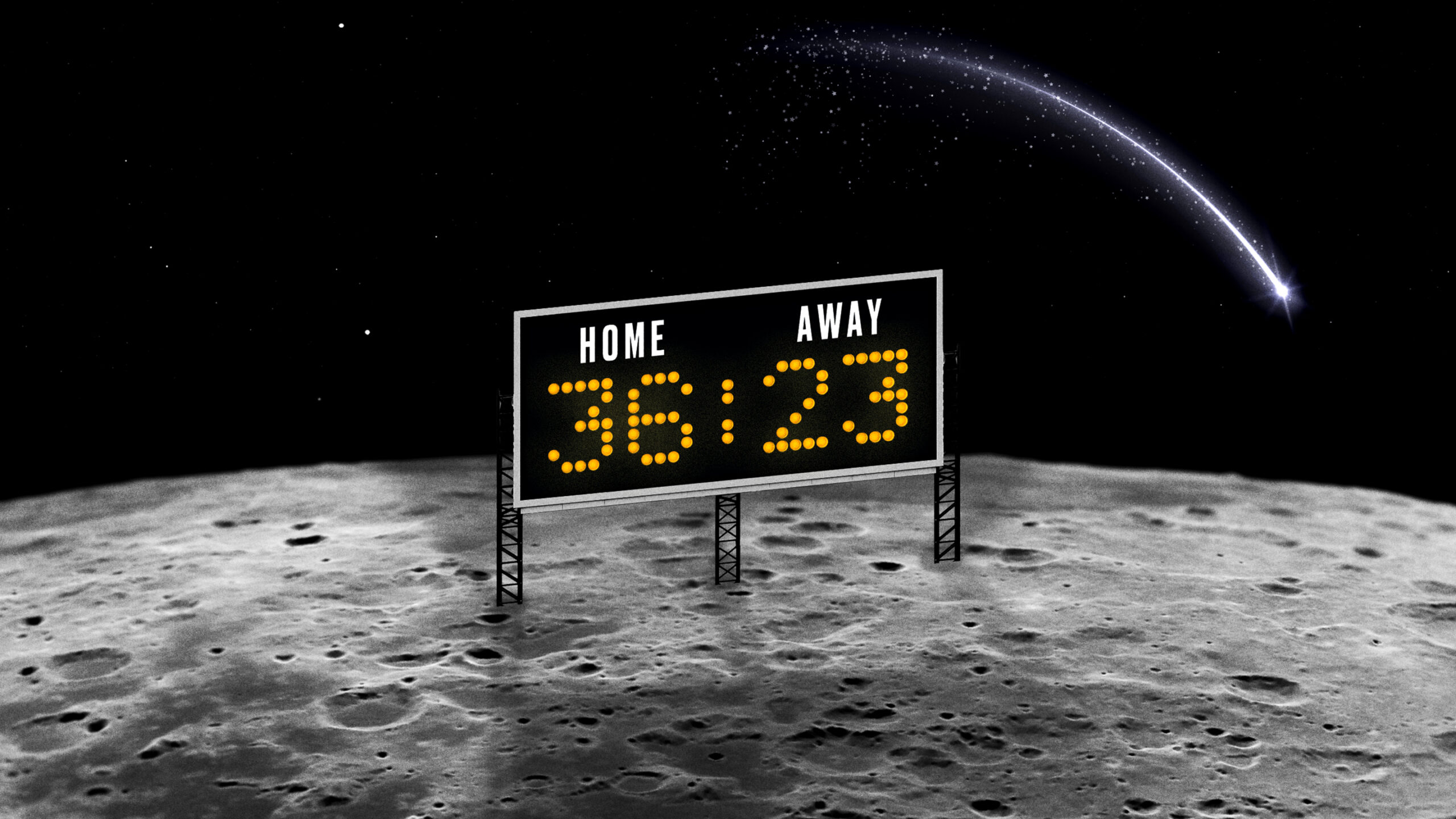
No NFL Game Has Ever Ended in a Score of 36–23
By Josh Levin
In a world suddenly awash with legalized sports betting and its associated ills, tracking these football digits is a comparatively wholesome compulsion. Scorigami is a game within the game that anyone can follow, one in which the teams and players are irrelevant. All that matters is the scoreboard.
For those keeping count, there have now been 1,095 unique scorelines in NFL history. But one never-before-seen Scorigami stands apart from all the others, on account of its maddening elusiveness: 36–23.
When you buy a book using a link in this newsletter, we receive a commission. Thank you for supporting The Atlantic.
Sign up for The Wonder Reader, a Saturday newsletter in which our editors recommend stories to spark your curiosity and fill you with delight.
Explore all of our newsletters.