This post was originally published on here
First, a few apologies. You will have seen little mention in these pages of arguably the most significant cinematic phenomenon of 2025. Ne Zha 2, a Chinese animated epic, did open (very quietly) in Irish cinemas, with a PG certificate. But, with no press show and little other publicity, it was barely noticed outside the Chinese community.
It has so far grossed $1.9 billion worldwide, all except about $20 million of it in China. No other title comes close for the year’s worldwide number one. It lands just behind Titanic as the fifth-highest-grossing film of all time. Avatar: Fire and Ash, which is released on December 19th, could pass it out, but, given the simultaneous global success of K-Pop Demon Hunters, a Korean production, on Netflix, nobody can question the rising power of East Asian animation.
We also issue the usual apology for including films that premiered at festivals in 2024. But readers would rightly complain if we listed films – Chloé Zhao’s Hamnet, say, or Mona Fastvold’s The Testament of Ann Lee – that they hadn’t yet had a chance to see.
Away from Asian animation, cinema was going through one of its periodic nervous breakdowns about declining box-office figures. Disney hit a poor artistic and financial patch with flops such as Snow White and Captain America: Brave New World, but its live-action Lilo & Stitch was behind only Ne Zha 2 as highest grosser, and it still has Avatar to come. So nobody is sobbing at the Magic Kingdom’s gates.
Warner Bros had an extraordinary run with hits such as A Minecraft Movie (not bad), Superman (awful), Sinners (transcendent), Weapons (strong) and F1 (so-so).
Our imagined asterisk beside Warner’s One Battle After Another is by way of noting that, although Paul Thomas Anderson’s superb film made an unexpectedly robust $202 million, it cost so much to make that it might still barely be in profit.
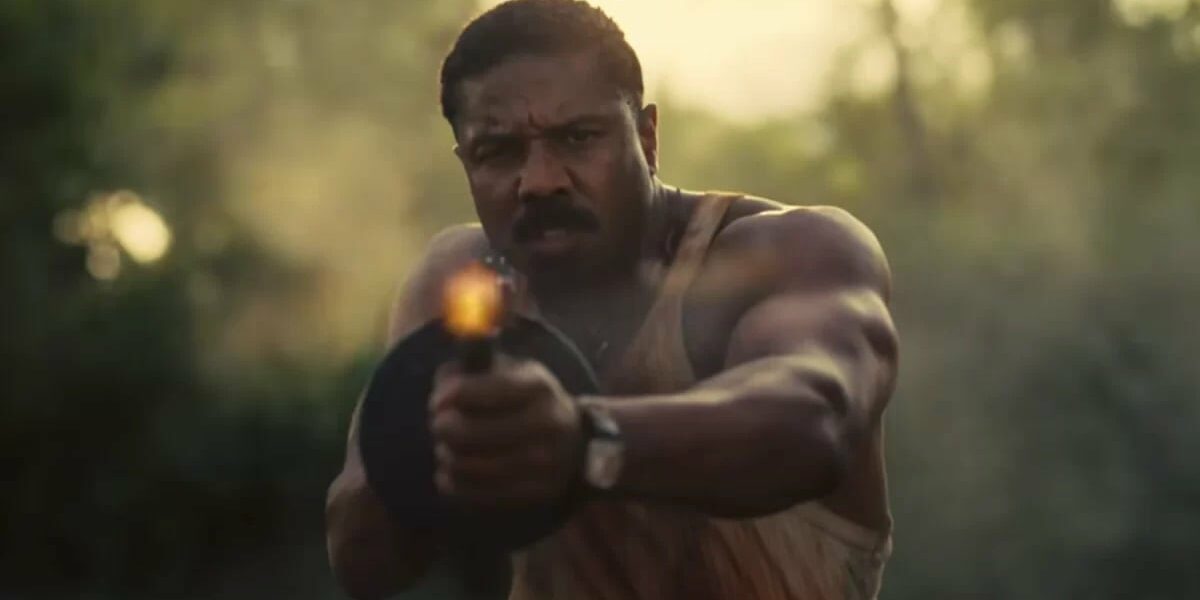
No matter. There were some hopeful signs in 2025 that Hollywood could make money out of good films that did not spring from established franchises. Sinners, which was directed by Ryan Coogler, surprised everyone with its epic combination of racial politics, applied musicology and high-end vampirism. Weapons, from Zach Cregger, put a hugely original spin on themes mined in Stephen King’s work.
Elsewhere, a quiet, intelligent film again prompted us to ask why Hollywood killed off one of its most fecund genres (or dispatched it to streaming, anyway). Celine Song’s hugely intelligent Materialists, the follow-up to her Oscar-nominated Past Lives, opened to positive-leaning reviews and only modestly encouraging box office, but, after a few weeks, thanks to good word, it racked up more than $100 million. The moral: if you make decent, well-crafted romantic comedies, audiences will still reward your efforts.
For all the talk of commercial films gaining aesthetic strength, our list again leans strongly on the cultural cinema that emerged from big festivals such as Cannes and Venice. Eight of the top 10 played those European festivals in 2023 or 2024. The industry shifts and stutters, but some things remain largely the same.
The 50 best films of 2025
50. House of Dynamite
Directed by Kathryn Bigelow. Bigelow, genius of action, retreats inside for a nail-biting study, from several perspectives, of an apparent nuclear-missile attack on the United States. A reminder of terrors we’ve spent decades ignoring. Full review
49. Good Boy
Directed by Ben Leonberg. Ingenious low‑budget supernatural horror film, starring a dog named Indy, that mines the idea animals can see things we cannot. The exceptional star is clearly a student of the Keanu school of tabula-rasa acting. Full review
48. A Real Pain
Directed by Jesse Eisenberg. Kieran Culkin walked the best-supporting-actor Oscar for his turn as a sarcastic waster who, on a tour of Europe with his intense brother (Eisenberg), reveals the roots of his unease. Full review
47. Train Dreams
Directed by Clint Bentley. Prestige frontier epic, based on Denis Johnson’s novella, in which Joel Edgerton’s grieving homesteader drifts between harsh reality and American myth. The film traces a life across fires, visions and vanished worlds. Full review
46. Riefenstahl
Directed by Andres Veiel. What more is there to be said about Hitler’s most renowned propagandist? Well, Veiel’s documentary manages some astonishing revelations about the extent to which she deceived herself. Full review
45. Blue Road: The Edna O’Brien Story
Directed by Sinéad O’Shea. O’Shea’s documentary traces the turbulent life of a legendary writer, from banned books to global literary stardom, blending diary readings, archive footage and raw final interviews into a compelling portrait of defiance, art and resilience. Full review
44. Weapons
Directed by Zach Cregger. The director overreached a little by comparing his film to Paul Thomas Anderson’s Magnolia. It’s not that, but it brings new energies to the small-town ensemble horror. MVP: Amy Madigan. Full review
43. Kenny Dalglish
Directed by Asif Kapadia. Kapadia, the Oscar-winning whizz behind Amy, does his archival thing with a Liverpool FC legend. The director’s signature emotional propulsion jollies along a tale of Anfield glory, Hillsborough tragedy and family values that celebrates King Kenny’s adopted home city. Full review
42. Born That Way
Directed by Éamon Little. Superb documentary about Patrick Lydon, an Irish-American who, resident in the old country since the 1970s, helped set up a unique community for people with learning difficulties. Full review
41. Bob Trevino Likes It
Directed by Tracie Laymon. After a painful estrangement from her father, a woman reaches out on Facebook and befriends a different man with the same name, forging an unlikely second family. Heartfelt, quirkily told story about loneliness, connection and healing.
40. Predator: Badlands
Directed by Dan Trachtenberg. Trachtenberg follows up Prey, his brilliant 2022 Predator flick, with a comparably fine adventure that places the alien alongside two versions of an android Elle Fanning.
39. Dying
Directed by Matthias Glasner. In this German‑language family drama, two ageing parents with severe health problems and their estranged children confront mortality, grief and neglect in a darkly comic, deeply human portrait of familial breakdown and bad dentistry. Full review
38. 28 Years Later
Directed by Danny Boyle. Do you want your 28 Days Later threequel to be a folk horror mixed with Brexit satire mixed with nods to recent British media scandals? Well, that’s what you’re getting. Full review
37. Oslo Stories: Dreams (Sex Love)
Directed by Dag Johan Haugerud. Poetic, deeply intimate coming-of-age drama following 17-year-old Johanne as she falls for her teacher and pours her first love into a raw manuscript. Three generations converge in the strongest entry in Haugerud’s remarkable film trilogy. Full review
36. Black Bag
Directed by Steven Soderbergh. The versatile director’s fine spy flick, apparently much indebted to Len Deighton, casts Cate Blanchett and Michael Fassbender as married operatives on the hunt for a traitor. Suave! Full review
35. Pavements
Directed by Alex Ross Perry. Genre-blending film about the eponymous 1990s indie band that combines documentary footage, musical performance and metanarrative in a wild, self-aware odyssey that presupposes Pavement were once the biggest band in the world. Full review
34. Sentimental Value
Directed by Joachim Trier. Trier risks invoking Ingmar Bergman with his tale – out on St Stephen’s Day – of a film director (Stellan Skarsgard) attempting an autobiographical work. The Norwegian auteur just about gets away with it.
33. Misericordia
Directed by Alain Guiraudie. A man returns home for a funeral and stays with the widow, much to the chagrin of her jealous adult son. Hang tight for an inept and unpremeditated murder and a mushroom-picking priest, who offers absolution in exchange for affection. Full review
32. Gazer
Directed by Ryan J Sloan. A single mother, with a condition that distorts her perception of time, struggles to regain control in a highly original psychological thriller. Ariella Mastroianni is bewitching in the lead. Full review
31. Armand
Directed by Halfdan Ullmann Tondel. Renate Reinsve’s single mother is summoned to an unbearably tense meeting with school staff where truth, guilt and institutional power blur in a claustrophobic psychological drama that tips into surrealism and choreography. Full review
30. Left-Handed Girl
Directed by Shih-Ching Tsou. A long-time collaborator with Sean Baker – who co-writes and produces here – Tsou returns to her native Taiwan for a hectic family drama. Wonderful street photography.
29. The Ugly Stepsister
Directed by Emilie Blichfeldt. A fantastic body-horror twist on a fairy tale: a young woman undergoes brutal cosmetic surgeries to compete with her uppity stepsister for a prince’s attention. Beauty has seldom seemed so desperate. Full review
28. Late Shift
Directed by Petra Volpe. Gripping workplace drama that follows a harassed nurse as she seeks to cope with understaffing and unreasonable patients in a Swiss hospital. Makes the case strongly that we are watching an undervalued profession. Full review
27. Alpha
Directed by Julia Ducournau. A 13-year-old girl returns from school with a suspicious tattoo, sparking panic, paranoia and societal distrust as contagion spreads in a complex Aids allegory from the director of Raw and Titane. Full review
26. Restless
Directed by Jed Hart. One of the year’s big surprises, Hart’s stressful British film follows a care worker as her ordered life is shattered by a new, insanely noisy neighbour. Lyndsey Marshal is super as the lead. Full review
25. Companion
Directed by Drew Hancock. A weekend getaway with friends at a remote lake house turns nightmarish when one guest reveals that “Iris” is actually a companion robot. Chaos erupts amid much betrayal. Full review
24. Materialists
Directed by Celine Song. Song follows up Past Lives with a shimmering romantic comedy featuring Dakota Johnson as a contemporary matchmaker in New York City. Entirely original, but also tipping its cap to Doris Day. Full review
23. Good One
Directed by India Donaldson. A 17‑year-old girl joins her dad and his old friend on a three‑day camping trip, but, as old wounds surface, her trust fractures and the coming‑of‑age vacation is affected by infantile adults and wildly inappropriate behaviour. Full review
22. Bridget Jones: Mad About the Boy
Directed by Michael Morris. By far the best in the series. The best Working Title London comedy in 20 years. Old and new cast all in stellar form. Who saw that coming? Full review
21. Santosh
Directed by Sandhya Suri. A widowed woman in rural India inherits her husband’s police-constable job, then investigates the rape and murder of a Dalit teenager, exposing deep caste prejudice and coruscating misogyny.
20. The Ice Tower
Directed by Lucile Hadzihalilovic. Fascinating, unsettling metadrama from the director of Innocence and Earwig that has Marion Cotillard playing an actor shooting an adaptation of Hans Christian Andersen’s The Snow Queen. Full review
19. The Shrouds
Directed by David Cronenberg. Vincent Cassel’s widower tech-entrepreneur builds GraveTech, a system that lets mourners watch the decay of buried loved ones, including his own wife. But when the network is hacked he spirals into grief-fuelled obsession and paranoia. Full review
18. Sinners
Directed by Ryan Coogler. The director of Black Panther finds a whole new gear as he works social commentary and the birth of several black music genres into a Jim Crow-era horror flick. Daring. Full review
17. Maria
Directed by Pablo Larraín. Angelina Jolie plays Maria Callas, opera singer and public figure, in a dramatic, intense look at fame. Worthy of its place in a trilogy that includes the director’s remarkable Spencer and Jackie. Full review
16. Hard Truths
Directed by Mike Leigh. Shunned by the big festivals, Leigh’s study of a terminally depressed woman in contemporary London proved to be one his most focused and touching films. Marianne Jean-Baptiste is devastating as poor Pansy. Full review
15. Vermiglio
Directed by Maura Delpero. A family’s quiet life is upended when, in an Alpine village at the end of the second World War, a deserter falls in love with one of many daughters. Various coming-of-age narratives power this complex, melancholic melodrama. Full review
14. Cover-Up
Directed by Laura Poitras, Mark Obenhaus. Arriving on Netflix at the end of December, this documentary about Seymour Hersh, unstoppable US investigative journalist, is as gripping as it is enraging.
13. Kontinental ’25
Directed by Radu Jude. Everyone says “it’s not your fault” in the latest Molotov from the Romanian provocateur. A bailiff in Cluj evicts a homeless man, who kills himself. Consumed by guilt, she spirals through a disturbing moral crisis. Full review
12. The Seed of the Sacred Fig
Directed by Mohammad Rasoulof. Breakneck Iranian thriller about an investigating judge who suspects his daughters when a gun goes missing from their house. Begins in coiled fashion. Ends in mayhem. Full review
11. Urchin
Directed by Harris Dickinson. A homeless addict in London (Frank Dillane, tremendous) tries to rebuild his life after prison. But old habits, addiction, youthful enthusiasm and a fractured support system pull him back. A gritty portrait of marginalisation. Full review
10. One Battle After Another
Directed by Paul Thomas Anderson. A loose variation on Thomas Pynchon’s Vineland, the latest from the most acclaimed American director of his generation piles hurtling action on accumulating unease as a nation eats itself alive. Full review
9. Babygirl
Directed by Halina Reijn. Nicole Kidman’s high-powered chief executive risks career and perfect family for a torrid affair with Harris Dickinson’s younger intern in a darkly comic, endlessly provocative thriller about power, identity and kink. Full review
8. Pillion
Directed by Harry Lighton. This tale of a shy young man (Harry Melling) who becomes sexual submissive to a handsome biker (Alexander Skarsgard) proves to be sweeter and funnier than the synopsis suggests. Full review
7. Flow
Directed by Gints Zilbalodis. Wordless, visually spectacular, Oscar-winning animation in which a black cat and a small group of animals – a dog, a capybara, a lemur and a secretary bird – try to survive a disastrous flood, forging unlikely friendships on their adventure towards land. Full review
6. Nickel Boys
Directed by RaMell Ross. Ross’s decision to use a subjective camera for his adaptation of Colson Whitehead’s novel about life in a 1960s reform school proves inspired. The sense of enclosure could hardly be more appropriate. Full review
5. On Falling
Directed by Laura Carreira. A young Portuguese woman in Scotland struggles with loneliness, alienation and grinding poverty as she works mind-numbing shifts at a warehouse in a condemnatory portrait of the gig economy. Full review
4. April
Directed by Dea Kulumbegashvili. Cerebral, forbidding Georgian film about an obstetrician who, after facilitating abortions, gets caught up in a legal vortex that threatens her career. Often coldly naturalistic. Often borderline abstract. Full review
3. It Was Just an Accident
Directed by Jafar Panahi. After a minor car crash, an ordinary Iranian man becomes ensnared in an escalating plot of revenge. A tense, unsettling thriller about justice, guilt, authoritarian cruelty and nervy uncertainty. Winner of the Palme d’Or at Cannes.
2. Sorry, Baby
Directed by Eva Victor. A literature lecturer contemplates a recent sexual assault in a film that somehow manages to work comedy into an inherently traumatic situation. Every character is conceived with masterful precision. Full review
1. The Brutalist
Directed by Brady Corbet. A Hungarian architect, after surviving the Holocaust, emigrates to the US and strives to build a masterpiece in an appropriately epic, sweeping drama about alienation, trauma, Judaism and the immigrant dream. The film itself – lavish on a modest budget – feels as ambitious as the mad project the protagonist constructs in a Pennsylvanian field. Full review
The 10 worst films of 2025
10. Captain America: Brave New World
“Cap”, you say? Crap, more like. If that joke seems too lowbrow then we would not recommend this contender for the worst film yet in the Marvel Cinematic Universe. Full review
9. Snow White
Rachel Zegler, crystal-voiced in this ghastly live-action remake, is, despite receiving heaps of online abuse, entirely blameless for the financial and aesthetic catastrophe. Ugly. Leaden. Offensive. Full review
8. Downton Abbey: The Grand Finale
The Irish Times left the press screening laughing like Leslie Nielsen and Priscilla Presley exiting Platoon in The Naked Gun. The Grand Finale isn’t a comedy either. Full review
7. Night Always Comes
Utterly absurd Netflix melodrama with Vanessa Kirby as a compromised woman desperately trying to raise $25,000 over one implausible evening. Nothing on screen is more harrowing than the smell of desperation radiating from a committed cast. Full review
6. The Last Journey
Is it fair to criticise two professional Swedish pranksters for involving an elderly, often confused man – one of the two’s father – in this achingly sentimental real-life journey across Europe? No. Okay, we won’t then.
5. After the Hunt
Words cannot express how misconceived is Luca Guadagnino’s attempt to troll audiences with this woefully ham-fisted campus drama about the aftermath of a supposed sexual assault. Full review
4. Honey, Don’t!
Please God, stop, Ethan Coen. That half of the Coen brothers manages to build (if that is the word) on the puerile antics of Drive-Away Dolls to deliver something even more cack-handed and childish. Full review
3. The Alto Knights
Warner Bros had a good year. Just as well. All that success may cause analysts to overlook Barry Levinson’s stunningly misconceived gangster flick, which casts Robert De Niro as heads of both the Luciano and the Genovese crime families. Full review
2. M3gan 2.0
It’s hard to imagine a more efficient demolition of a budding franchise. The sequel to the first killer-doll film introduces a rival so transcendentally boring that she’s barely visible on screen. Ju2t 3hastly. Full review
1. The Electric State
Anthony and Joe Russo, directors of endless mega-grossing MCU films, are given $320 million (allegedly) by Netflix and they choose to deliver a hugely unattractive, dystopian drama with all the imaginative depth of a public-information film about the correct use of shopping trolleys. Would be laughable if it weren’t so morally offensive. Full review