This post was originally published on here
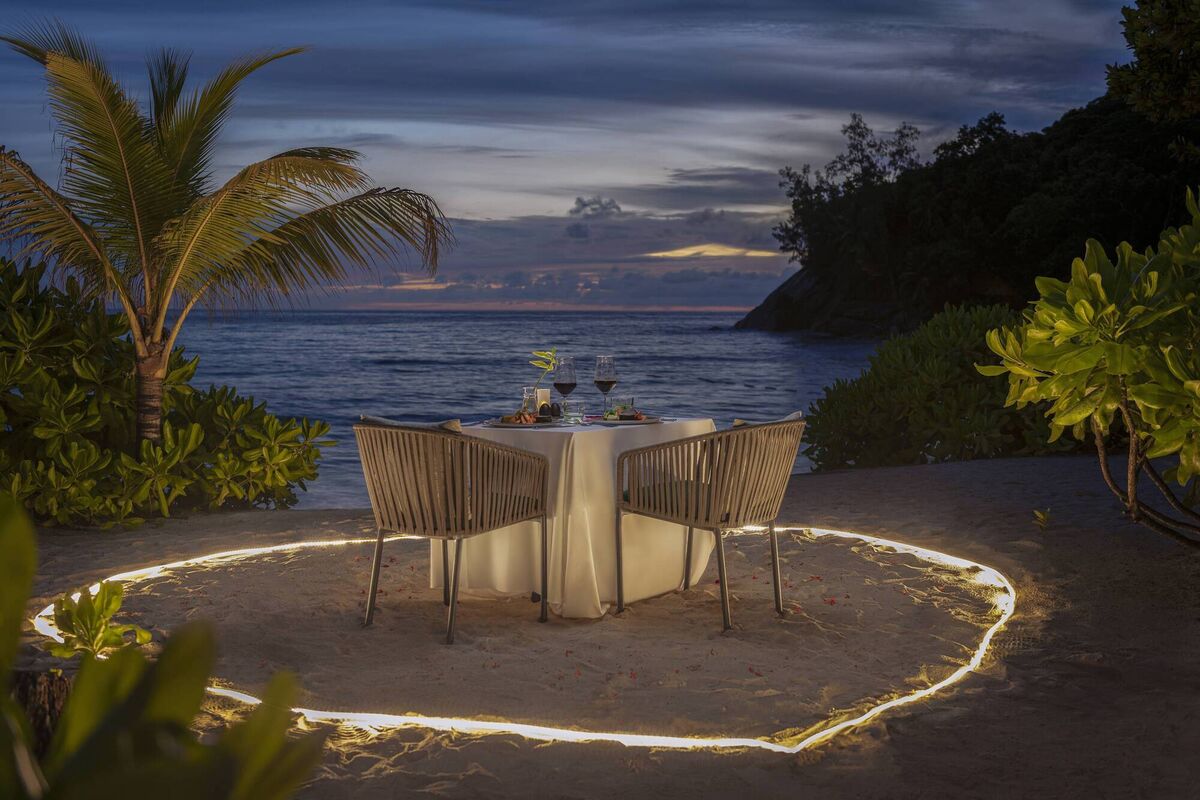
It’s dusk. I’m sitting on the ledge of a lone beachside cabana on the western coast of Mahé island.
Out of the shadows of a nearby mangrove, a man appears. He stops to remove his sandals and t-shirt before striding into the ocean, holding a long metal hook in one hand and wearing a net bag on his back. He pulls goggles down over his eyes, pushes a snorkel into his mouth, and disappears under the waves. Other than the loud Indian Miner birds settling into their nests high in the trees behind me, there are no other witnesses. I feel compelled to stay on watch and scan the waters for signs of life.
Twenty minutes pass, and there is still no sign of the man. It is now completely dark, and the only light is from the moon, appearing and disappearing behind the clouds in a game of peek-a-boo. I remind myself that Seychellois people have grown up by the sea. Many fish for their supper at the end of the day as a way to wind down and reconnect with the abundant marine resources.
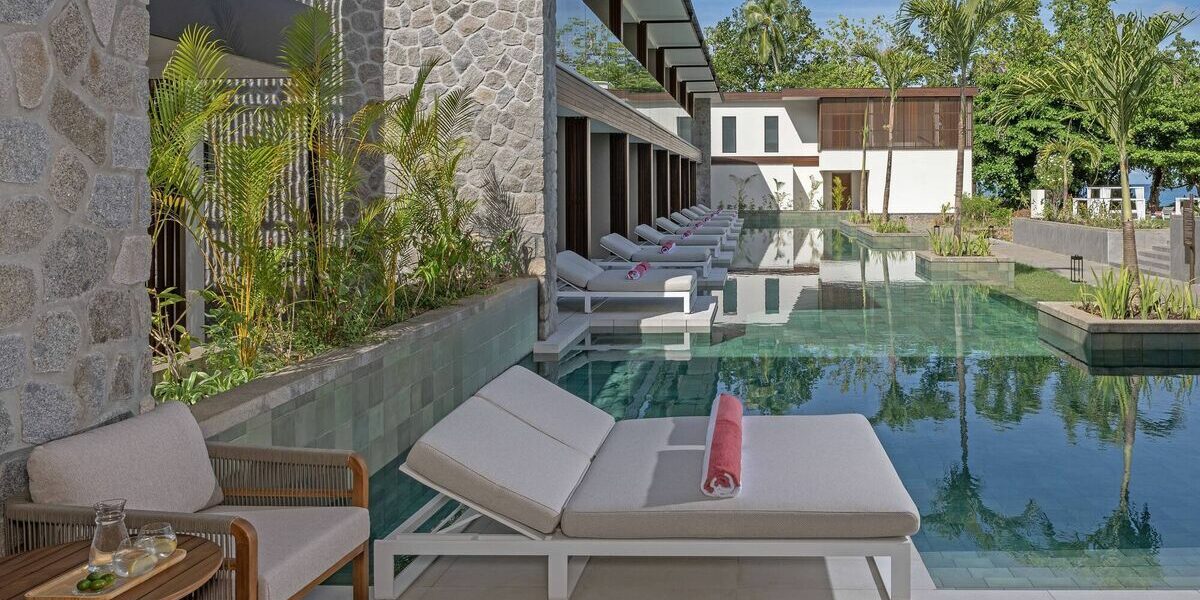
Further down the beach is the top-notch Avani+ Barbarons Seychelles hotel where I am staying. Recently reopened after a four-year renovation, it’s managed by forward-thinking Coleraine man Thomas Porter, who has put sustainability at the heart of the hotel’s ethos.
He runs an excellent operation and has every reason to be proud of his staff, who provide an exceptional and friendly service. Relaxation comes easily when you’re looked after to such a high standard. Starting my stay with a coconut-based facial from the highly experienced Aya brought me to a whole new level of zen.
The food, too, is excellent – creative, abundant, and fresh. My spacious bedroom, featuring vibrant paintings of local nature by gifted artist Zsaklin Miklós, has a pool directly outside, allowing me to retreat and swim at any time of day. However, rest is only part of the holiday – we’re also here to experience life in the natural wonders of the Seychelles, an archipelago of 115 islands in the Indian Ocean.
With still no sign of the lone fisherman, I distract myself by scrolling through the photographs and videos I’ve taken since arriving.
A standout person is the high-energy Marco Castner, who runs a nearby organic fruit farm, Vallée des Fruits. We arrived shortly after breakfast in blazing sunshine and, after an energising climb, enjoyed a gentle yoga session on a platform that seemed to hover over the valley below.
FruitShi – bite-sized stacks of banana, avocado, mango, passion fruit, and papaya – were served on long leaves. While Castner dramatically drizzled them with honey, he explained the fruits’ provenance and health-giving properties.
And because it was a full-sensory experience, he asked us to sniff a nearby tree and identify the scent. None of the group could name it until he peeled off some bark – cinnamon, once a main export from the island.
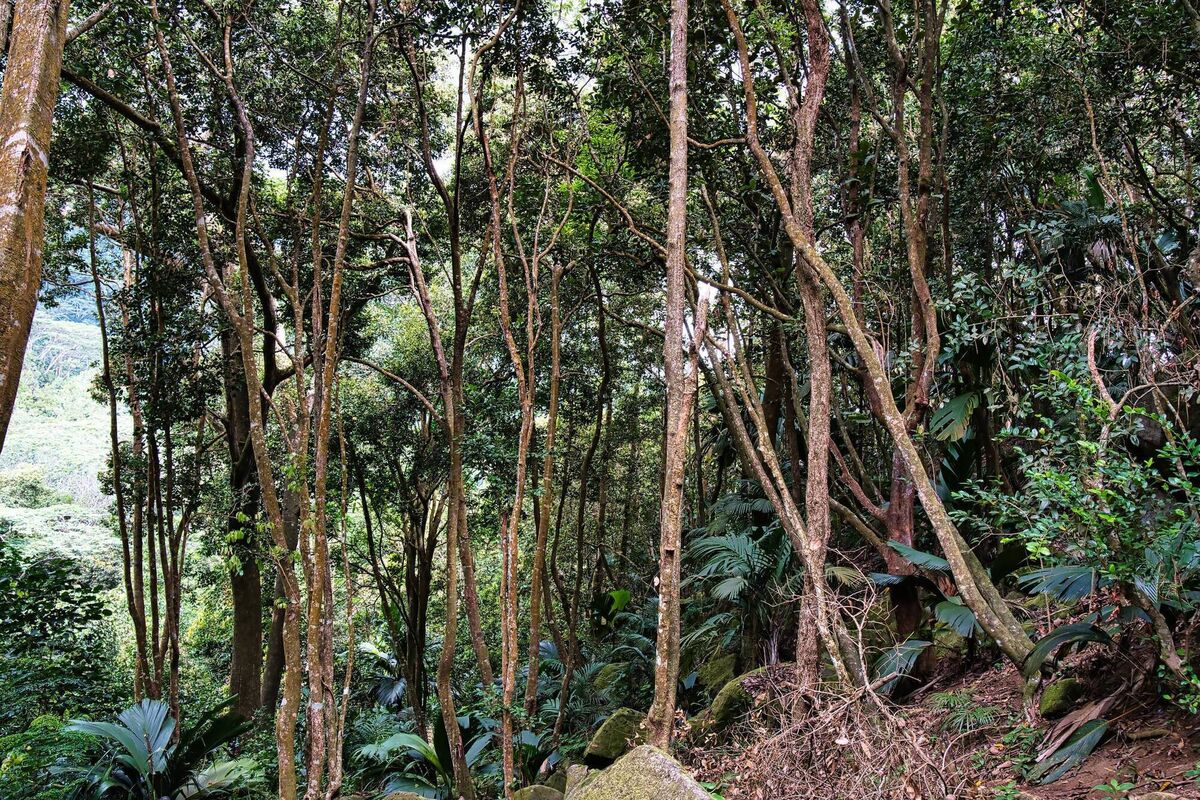
On a tour of the farm, Castner proudly showed us the many fruit trees and shrubs he was planting, emphasising that no chemicals are used and most of the work is done by hand. At one point, he stopped suddenly to show us a giant black spider. It eats insects that can damage the fruit trees, he told us with a wide grin, while letting it crawl over his hands.
We passed by neat rows of knee-high stocky pineapple plants. Castner plunged into the middle, wielding a knife and cutting the base of a ripe one. “The best pineapple in the world,” he proudly told us. We made our way back to the seated area near the entrance, aptly named the Juice Bar, where Castner expertly divided the pineapple, rivers of juice flowing from it. As we devoured it, we agreed loudly that he was indeed right.
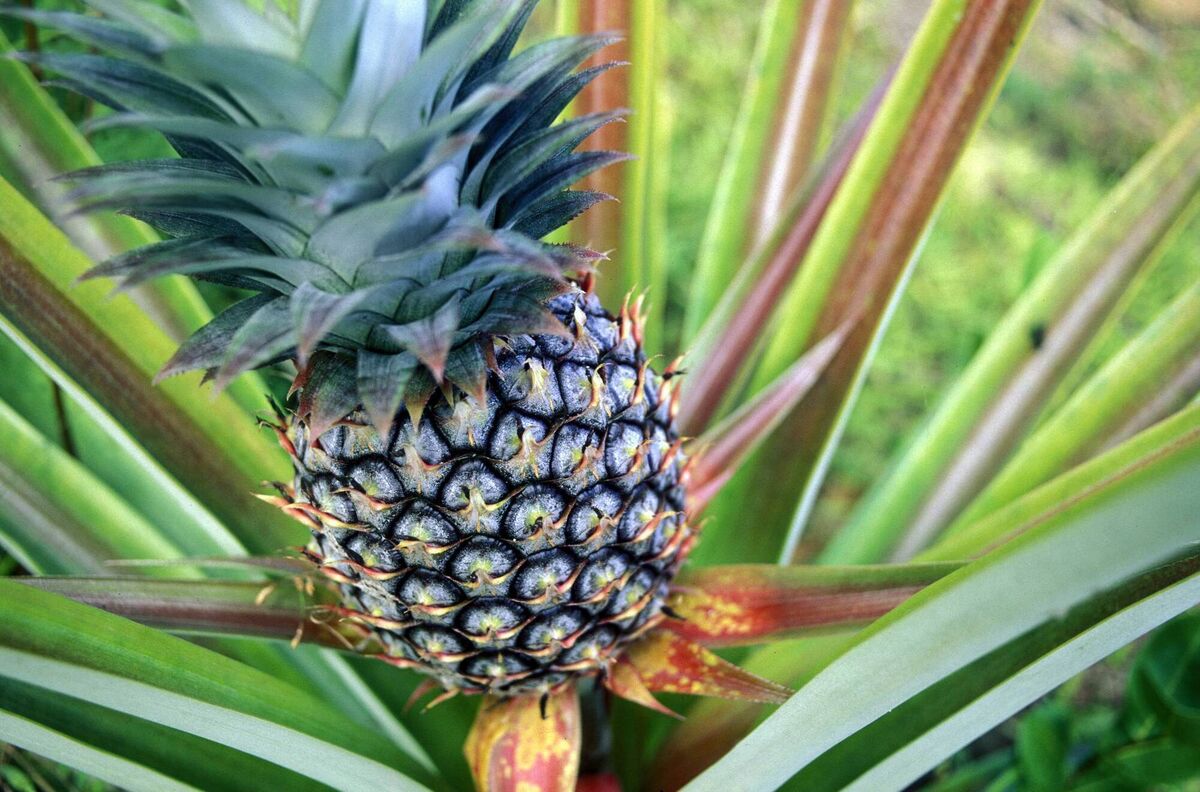
Castner’s energy and enthusiasm are infectious, the kind of drive that could fuel big changes in a country that imports up to 90% of its food.
Another picture scroll brings me to our visit to Hendrick Herminie (HH) Farm, where cassava is grown organically. Here we saw the native tuber (as common as the potato in Ireland), at all stages of its life cycle, from planting – you simply stick it in the fertile soil – to harvesting.
We were guided by the ebullient Myra Solin, who glided up the steep plantation, pointing out cassava plants at various stages of growth, while we huffed and puffed behind her. It was worth the climb, particularly when we got the opportunity to dig a hole, plant a cassava branch, and give it a number so we could track its growth. In this tropical climate, signs of growth appear within just two weeks, and the plant is ready for harvest within nine months.
Avani+ Barbarons Seychelles’ team was eager to introduce us to entrepreneurs working with locally grown produce. On one evening after dinner, we met with Zac Liapoun, who hails from Russia but has made the Seychelles his home. He was as keen to talk about the history of the islands as he was about his creation: double-distilled Endemic Rum Seychelles, handcrafted using infusions such as vanilla pods, coconut, mango, cinnamon and even the islands’ famed coco de mer. We enjoyed tasting a selection of the 15 flavours he produces, though at 43% alcohol volume, we had to proceed carefully or risk a deadly hangover the next day.
We were also treated to a make-your-own body scrub session by Belle from Belliche Seychelles, another company that utilises local produce with a keen eye on sustainability. It was particularly encouraging to hear that the skincare products are reef-safe and ocean-friendly.
Next my memory scroll takes me to marine ecologist Dr Ameer Ebrahim, a dynamic and articulate Seychellois native whom we met in the hotel lobby. There, he gave us a talk on his research into the octopus cyanea, which is deeply embedded in the islands’ folklore, cuisine, and economy. These intelligent invertebrates are known to navigate mazes, open jars, and even use tools.
Ebrahim recently co-authored a study, published in the African Journal of Marine Science, highlighting the challenges faced by the octopus industry. These include a decline in numbers and sizes, the harvesting of
juvenile stock, which puts long-term stock at risk, inadequate governance, and, echoing a growing social issue for the islands, substance abuse among fishers.
However, the study notes that much can be done to protect this ancient marine animal, ranging from improved management strategies — such as seasonal closures during peak reproduction and minimum size limits to protect young stock — to greater engagement with local fishing communities and stronger market controls.
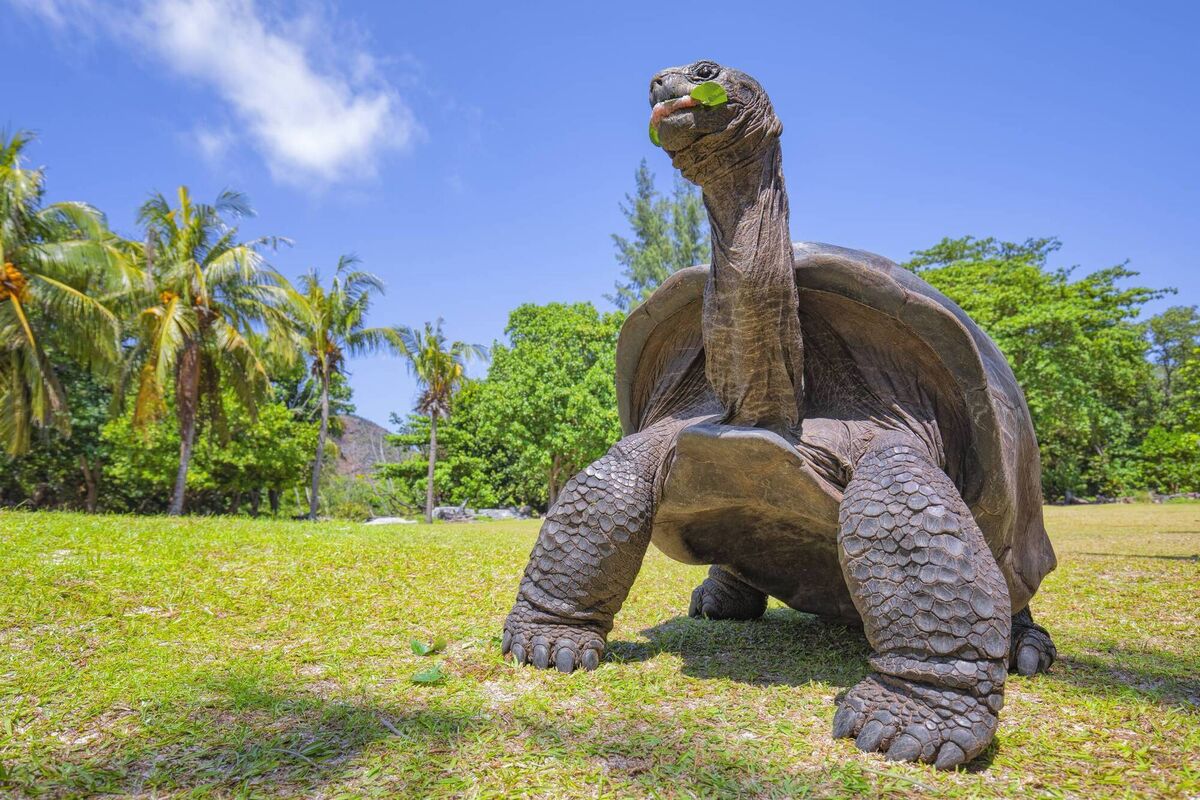
Two days later, Ebrahim led us on a short boat trip to visit Moyenne Island, the world’s smallest national park. On landing by dinghy, we were met by a crew of Aldabra giant tortoises, moving as tortoises do, in ultra-slow motion. Nearby, we saw baby tortoises at various stages of development, part of the successful breeding programme started by Brendon Grimshaw, a British newspaper editor who owned the island until his death in 2012.
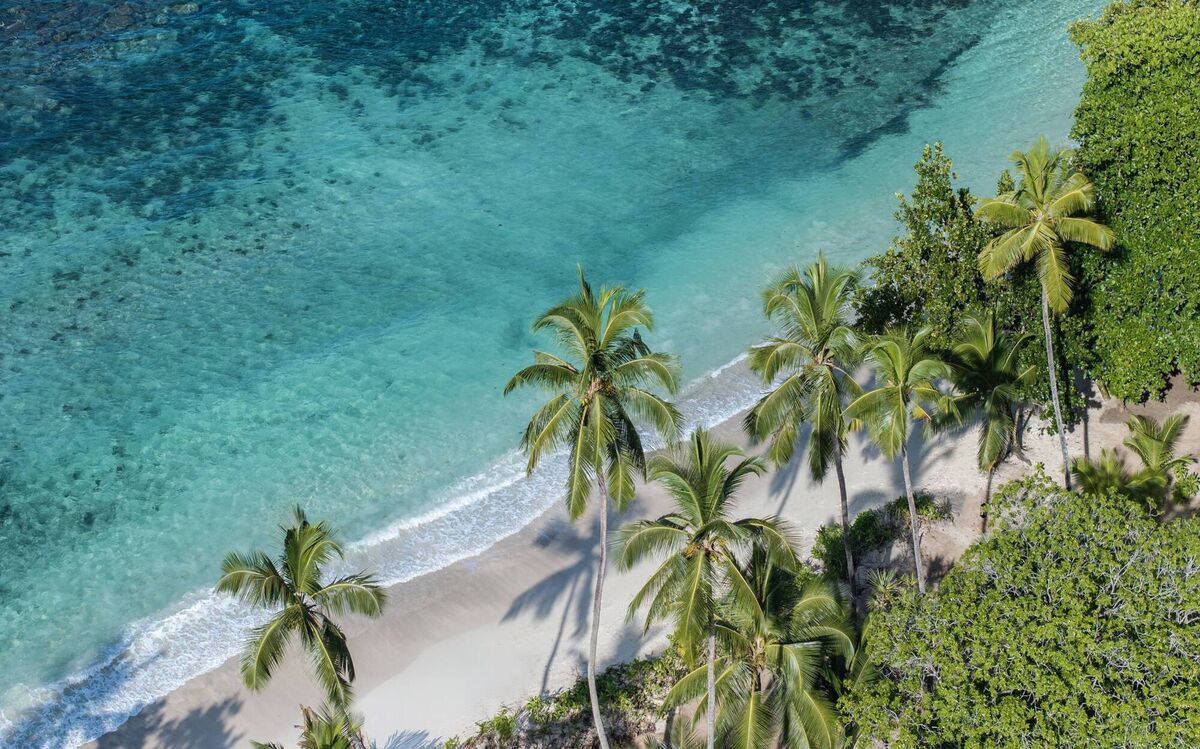
Grimshaw was also responsible for reclaiming the overgrown land, planting thousands of trees, including palm, mango, and mahogany, and constructing nature paths. A brisk walk around the 24-acre island offered breathtaking views of the clear aquamarine waters and an insight into the history of the island, which was first settled in 1850.
Next came what turned out to be the highlight of my trip—an underwater exploration of the coral nurseries. Wearing flippers and a snorkel, we entered the buoy-marked area and descended into an underwater wonderworld. The seabed was studded with exotic coral species while schools of multi-coloured fish glided by, oblivious to the human visitors.
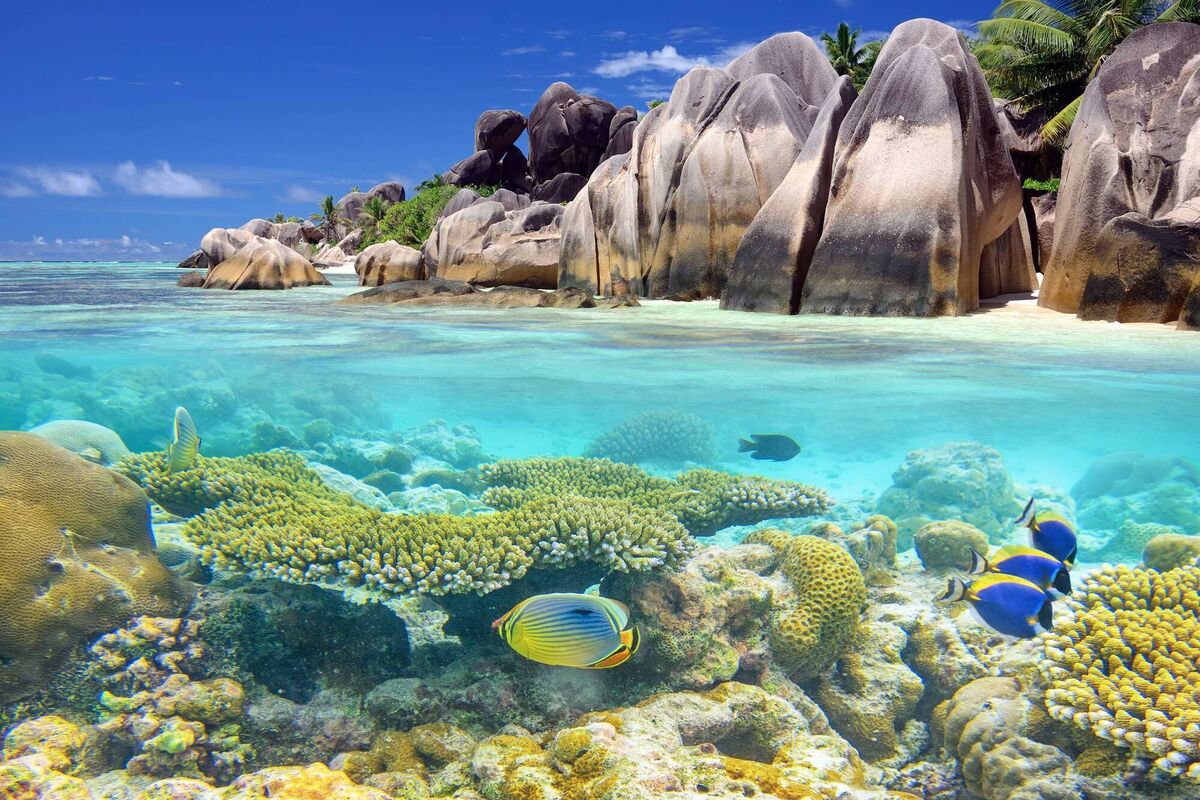
Swimming ahead of us, Ebrahim pointed out frames used for growing new coral, some of which were almost entirely covered. Part of a five-year project run by the Marine Conservation Society Seychelles, these corals will be replanted along shorelines damaged by rising sea temperatures, commercial development, and pollution. It was deeply moving to see a solution to the environmentally devastating coral bleaching. Although the world seems irrevocably enthralled by the damaging effects of fossil fuels, here was a beacon of hope.
However, it’s a fragile endeavour: Anchor damage causes irreversible harm, and it happens weekly, although dropping anchor is prohibited on reefs. Staff shortages, invasive algae, theft of buoys and monitoring equipment are other challenges the project faces. Worryingly, funding runs out this year.
While deep in thought about the future sustainability of the Seychelles, I’m startled by the sight of a black shadow emerging from the sea. It is the lone fisherman, and the bag on his back is bulging with what is most likely the main ingredient for his supper. It must be an hour since he entered the water. He returns to where he left his clothes, pulls on a t-shirt, slips on his sandals, and slowly walks down the beach before disappearing into the inky blackness.
In that moment, I’m troubled by the stark contrast between the simplicity of the Seychellois way of life and the republic’s booming tourism industry. In 2022, 332,000 tourists arrived on the islands, dwarfing the local population of some 132,000. This economic success story comes at a price, as the high volume of visitors places a significant demand on the country’s limited natural resources.
Is there a way for the two to flourish side by side? Emerging ecotourism may offer a way forward.
Before I leave for the airport, a knot of smiling staff members gathers in the reception area to say goodbye. As a parting gift, I’m given a SeyTreasure coral pink, hand-beaded bracelet made from plastic washed up on local beaches. It’s a token representing the hotel’s commitment to sustainability and supporting local craftspeople, hotel manager Porter tells me.
I haven’t taken the bracelet off since I returned home. Every time I look at this simple piece of recycled jewellery, I feel hope for the future of the precious gem that is the Seychelles — a sparkling paradise on Earth.
Irene Feighan was a guest of Avani+ Barbarons Seychelles.