This post was originally published on here
When it comes to Western movies, most fans are used to Hollywood romanticizing the genre to make it seem like one filled with hope and courage. The truth is, the Old West wasn’t a landscape peppered with John Wayne-type heroes, but rather morally ambiguous people who did what they had to do in order to survive. That oftentimes made for some extreme violence, which makes the 2005 movie The Proposition one of the most unflinching, realistic, and brutal revenge-thrillers of the 21st century.
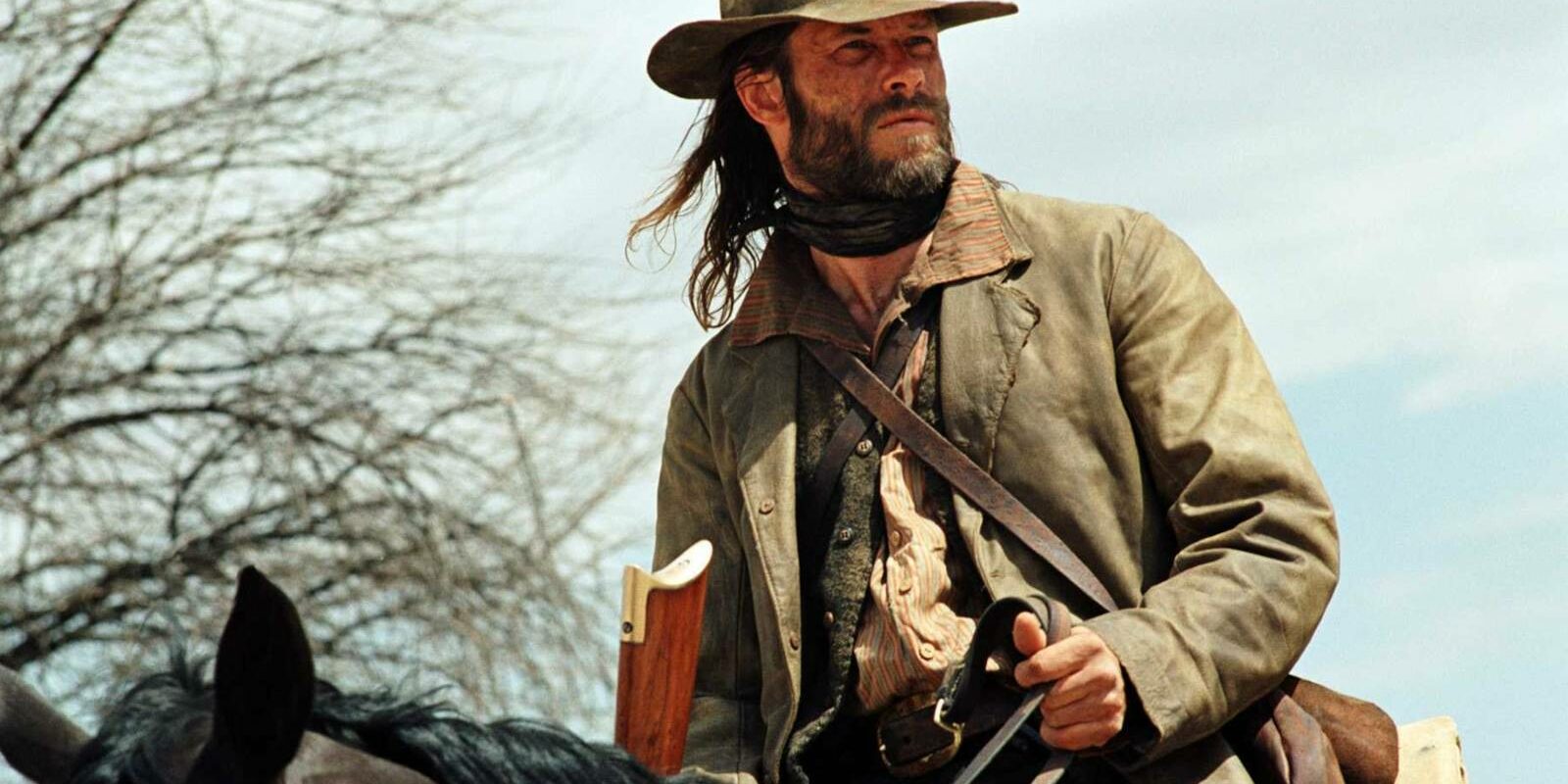
Directed by John Hillcoat and written by Nick Cave, The Proposition is an Australian Western that stars the likes of Guy Pearce, Ray Winstone, Emily Watson, John Hurt, Danny Huston, and David Wenham. Set in the 1880s, it follows Charlie Burns, a bushranger who — along with his brother Mikey — is captured by the law after an intense shootout. With Mikey set to be executed, Charlie is given the chance to set them both free if he can track down and kill his other brother, Arthur, who is wanted for the rape and murder of a pregnant woman and her family. At the time of this writing, the film is available to stream on a number of platforms, including Prime Video, Tubi, and Pluto TV.
The Violence in ‘The Proposition’ Serves a Purpose
Anyone who is familiar with the Australian Outback knows that it can be a savage environment that takes no prisoners. Every frame of The Proposition shows how hostile it truly is by presenting it as sun-scorched terrain that assaults Charlie and anyone else who dares to cross it. In that sense, Hillcoat makes it feel like another character in the movie rather than just the backdrop for a story filled with unwavering brutality, and trust us, The Proposition is just that.
However, it’s not violent for the sake of exploitation. It serves a purpose and, for the most part, comes out of nowhere. It isn’t choreographed like it would be in a big-budget production and, as such, it never feels overproduced. The violence and brutality in The Proposition is ugly, fast, and is used as a tool to de-mythologize the frontier and remind the viewer that colonialism wasn’t some quiet idea, but a vicious massacre that left a trail of bodies in its wake.
‘The Proposition’ Features One of the Most Intense Scenes Ever Put on Film
Zooming in to focus on a specific moment in The Proposition really highlights how morally ambiguous the movie really is. The flogging scene of Mikey is one of the most intense scenes ever put on film. In it, he’s whipped over and over and over, but unlike the flogging scene in Mel Gibson’s The Passion of the Christ, for example, the one in The Proposition doesn’t focus on the fierce wounds he sustains. Instead, Hillcoat uses every tool in his arsenal to show how easy it is for “civilized” men to turn into the barbaric animals they purport to hate so much.
Everything from the sound of the whip to the expressions on the faces of those in the crowd makes the flogging feel that much more intense, and not a single drop of blood is ever shown. Instead, the moment is made all the more horrific by the melodic voice of a man singing “Peggy Gordon” as the cries of Mikey are heard echoing off camera. It’s truly a thing of brutal beauty to watch, and further highlights how The Proposition earned its reputation as one of the most ferocious revenge-thrillers ever made.