This post was originally published on here
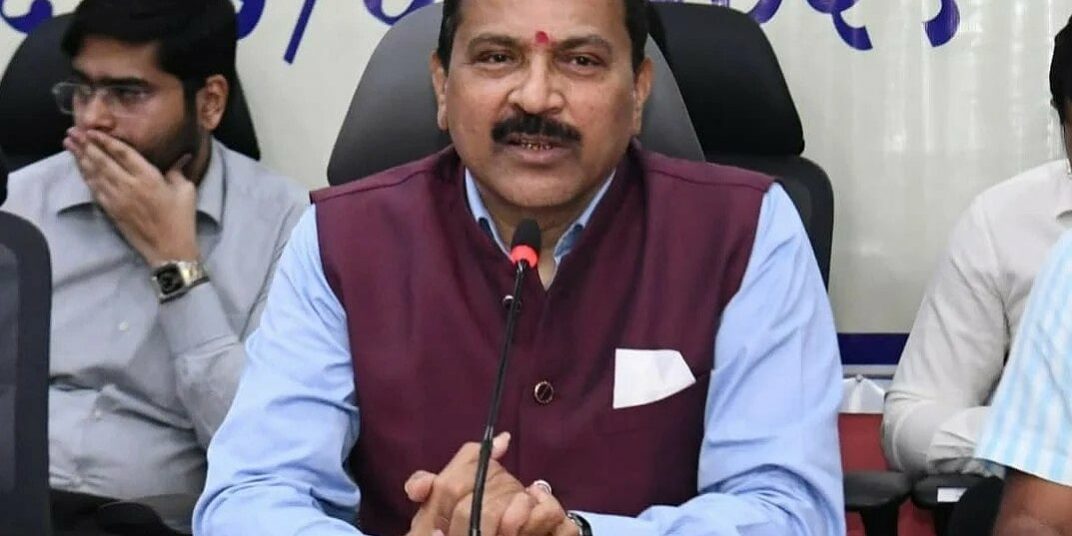
Chhatrapati Sambhajinagar: The ‘Book Bank’ project, launched as part of the 10-point programme of the district administration and conceptualised by District Collector Dileep Swami, has been rolled out across Zilla Parishad (ZP) schools in the district with the objective of nurturing a strong reading culture among students. The initiative was formally reviewed during a meeting held at the District Collectorate on Saturday through an audio-video conferencing system, where Swami issued clear directions to officials to ensure effective and uniform implementation of the project at the grassroots level.
Addressing the officials, Swami emphasised that the Book Bank project is not limited to providing textbooks but aims to encourage students to explore books beyond their prescribed curriculum. He said reading a wide range of books would help students broaden their knowledge base, improve comprehension skills and develop critical thinking abilities. He also stressed the need to orient students towards various competitive examinations from an early stage by providing them access to informative and motivational reading material.
During the meeting, Swami instructed that a functional library should be established in every ZP school and that adequate and relevant books should be made available to students. He underlined that teachers and school heads should actively motivate students to make use of the Book Bank and cultivate regular reading habits.
Education Officer (Secondary) Ashwini Lathkar, Education Officer (Primary) Jayashree Chanvan, block development officers, block education officers, extension officers, centre heads, subject experts and other officials participated in the meeting and discussed the roadmap for implementation.
The district administration has also appealed to citizens to actively contribute to the initiative by donating at least two books each to the Book Bank project. Officials said public participation would play a crucial role in strengthening the initiative and ensuring that quality reading material reaches students across rural and semi-urban areas of the district.