
This post was originally published on here
These classic books are all certified life-changers. Let’s explore how. From Henry David Thoreau’s naturalist memoir Walden, to Herman Hesse’s tale of spiritual enlightenment Siddhartha, to Milan Kundera’s mesmerizing modern masterpiece The Unbearable Lightness of Being, each of the books discussed here has had a huge impact on generations of readers.
It’s not an exaggeration to say that these books have changed the course of peoples’ lives. Defining some, even saving others.
In their own ways, the texts here are testaments to the transformative power of writing. If you know, you know, but if you’re skeptical, you have to check out the books below.
“Walden”
Written By Henry David Thoreau; Published In 1854
Fans of Walden treat the book, and its author, Henry David Thoreau, with quasi-religious reverence. The organization known as the Thoreau Society preserves the writer’s legacy. The book’s setting, Walden Pond, is a pilgrimage destination for readers. You can even buy the blueprint to Thoreau’s famous cabin in the gift shop, and try to build it yourself.
For today’s readers, it’s almost like a discipline exercise. Feel like you can’t focus? Read Walden, and keep reading even when it gets “boring.”
And many people do. The simplicity of Walden, and Thoreau’s emphasis on living a modest life in concert with nature, is simultaneously more outdated and more resonant than ever. That is, the 172-year-old memoir will feel utterly alien to many readers today. But if it clicks with you, it clicks, and it may very well have a profound influence on your outlook after reading.
Walden is a book best read in the spring, when you’re itching to go outside. It’s not a beach read; Walden is a book better suited for hikes and picnics. It’s a book that requires patience and minimal distractions. For today’s readers, it’s almost like a discipline exercise. Feel like you can’t focus? Read Walden, and keep reading even when it gets “boring.”
“Siddhartha”
Written By Herman Hesse; Published In 1922
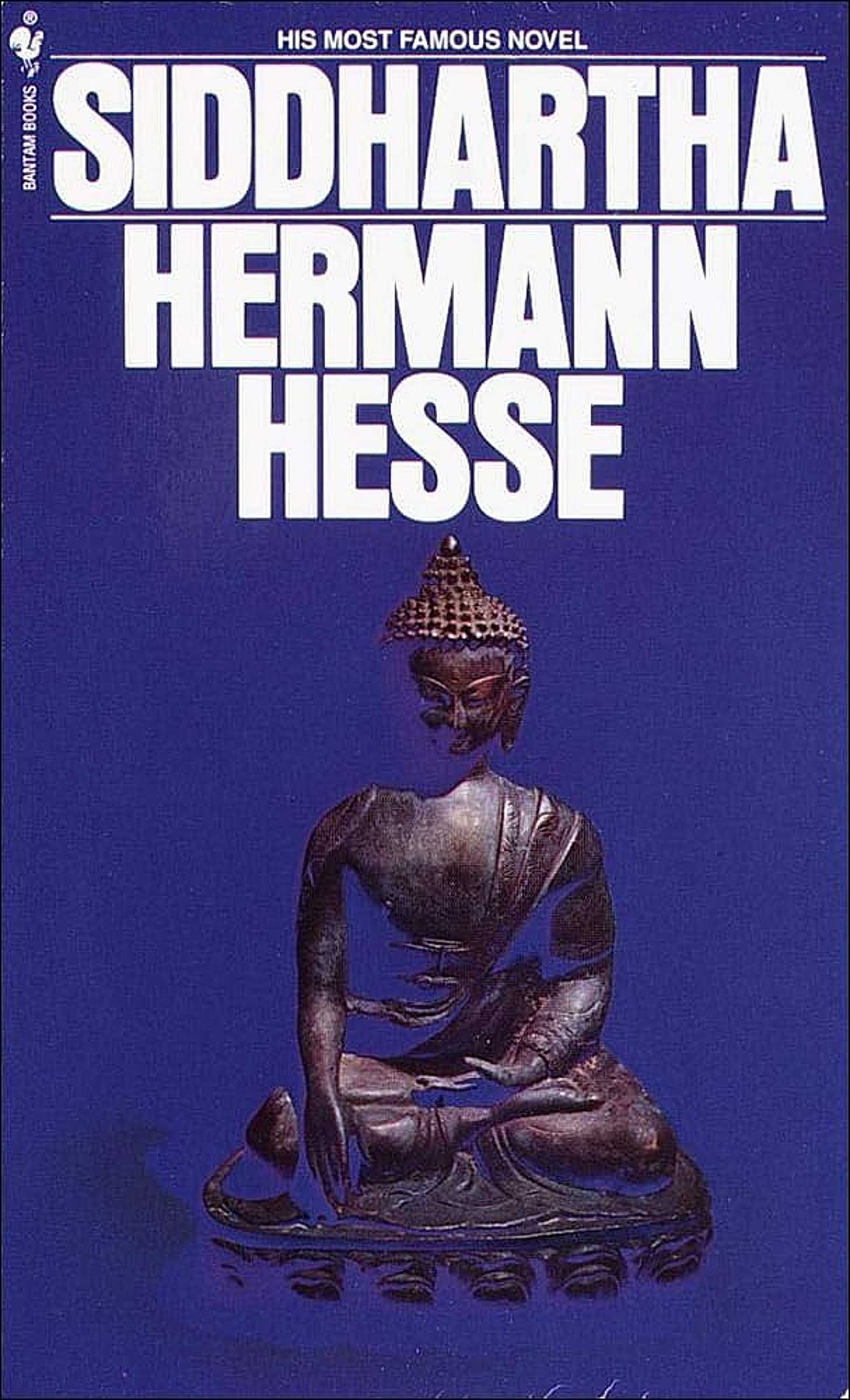
Siddhartha is a book about the chase for spiritual enlightenment. Does the main character find it in the end? You have to read the book to find out for yourself. Safe to say, though, the life-altering magic of Herman Hesse’s novel is in the protagonist’s journey, rather than the destination.
The book follows the eponymous Siddhartha on a journey that draws inspiration from the legend of Gautama Buddha, the founder of what would become Buddhism. Curiously, though, Gautama is also a figure in the novel, and the early Buddhist sect is just one version of spiritual truth that Siddhartha reckons with as the novel progresses.
It might take you a while to get all the way through, because [Siddhartha] is dense with ideas, and it’s going to make you reconsider trying meditation.
Siddhartha is a classic work of historical fiction, but its philosophical content hits the hardest. It’s a perfect all-seasons read; short, with largely straightforward prose. Yet it might take you a while to get all the way through, because the book is dense with ideas, and it’s going to make you reconsider trying meditation.
“The Stranger”
Written By Albert Camus; Published In 1942
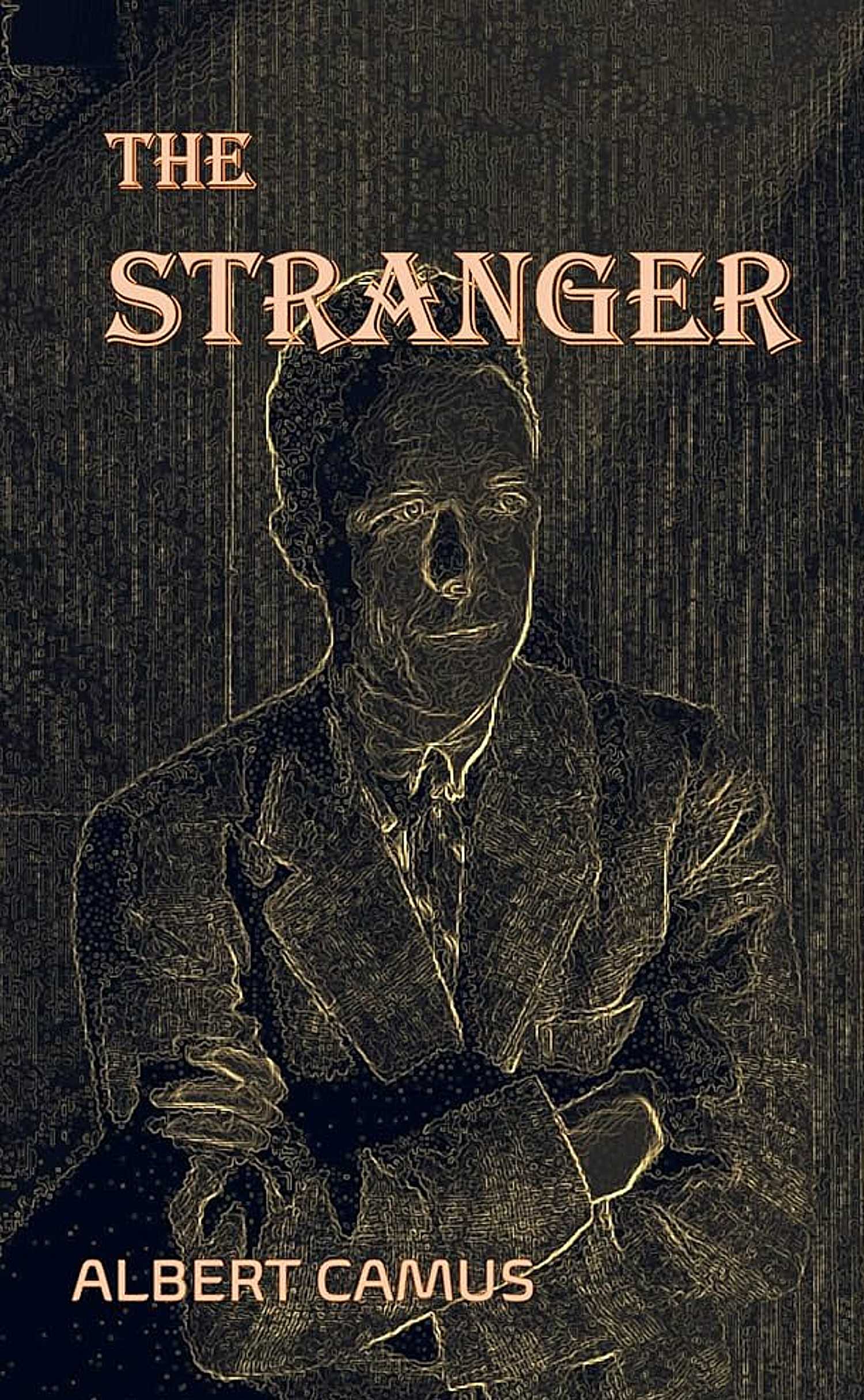
The Stranger is one of the most influential novels of the 20th century. Written by French author Albert Camus at the most dire point of World War II, the short, fictional account of a murder and its aftermath set the foundation for the existential school of philosophy that would evolve out of post-war France.
Surprisingly, it’s also an early precursor to Law & Order. That is, the first part of the novel chronicles the events leading up to the murder, although it follows the killer, Meursault, rather than investigators. The second half chronicles Meursault through his trial, as he accepts his fate as a convicted murderer and condemned man.
Meursault’s nihilistic qualities evoke a literary tradition that goes back to 19th century Russia; yet it is by letting his character succumb to nihilism, rather than rejecting it, that Camus crafted a modern literary icon. You don’t need to agree with Meursault, or his spiritual descendents, the existentialists, but it’s worth challenging yourself to those ideas.
“Zen And The Art Of Motorcycle Maintenance”
Written By Robert Pirsig; Published In 1974
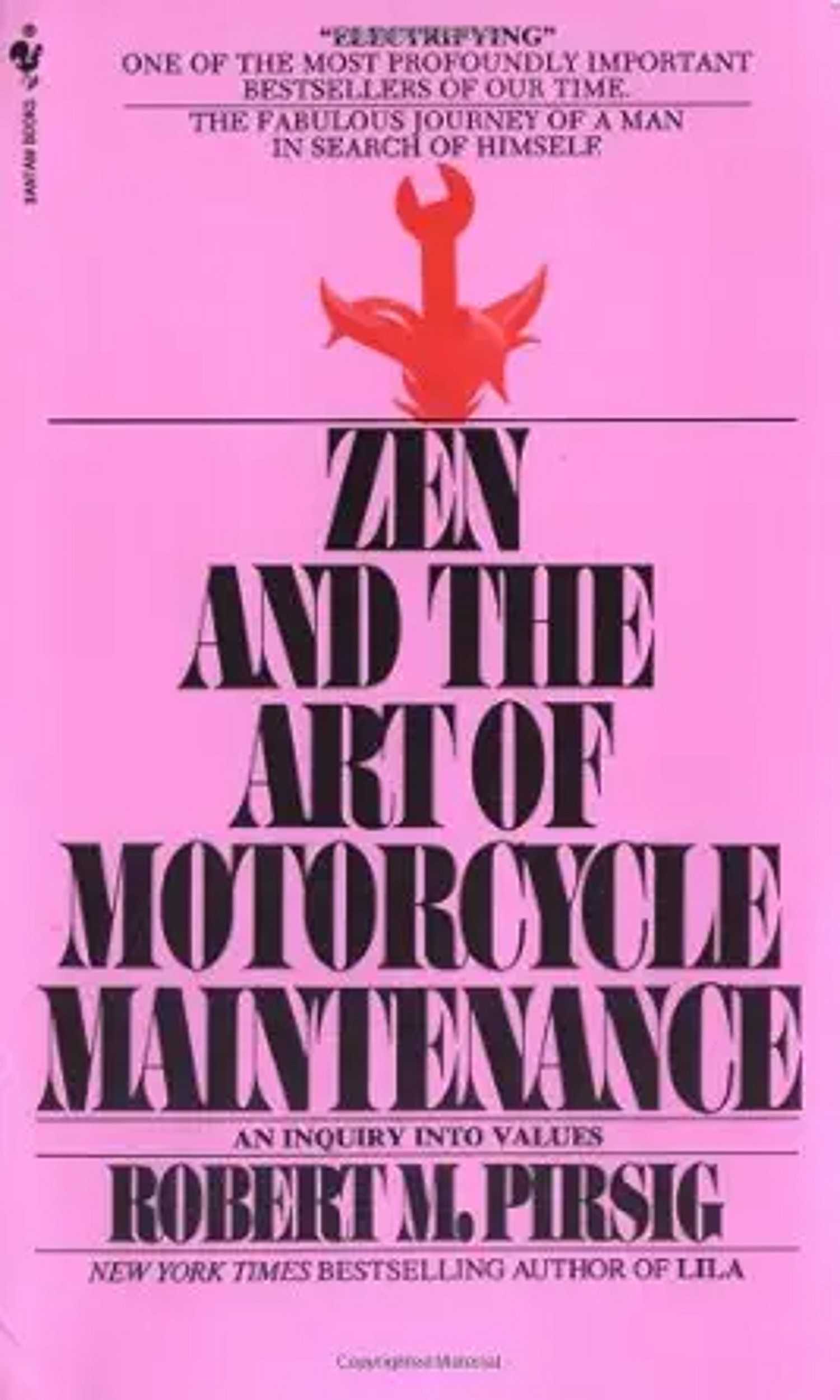
Zen and the Art of Motorcycle Maintenance is among the books most synonymous with modern philosophical fiction. Or, if you prefer, the “book of ideas.” That is, the plot is thin; it’s a semi-autobiographical account of a road trip author Robert Pirsig and his son took. Yet what drives Zen and the Art of Motorcycle Maintenance forward is its ideas.
The “action” of the book is largely contained within the narrator’s mind, as he tries to reconcile the different parts of himself. At the same time, the narrator, his son, and their other road trip companions have deep talks about various ideas. For readers, it can be a great introduction to modern strains of philosophical thought.
Despite its popularity, and probably because of the difficulty of supplementing its bare-bones story while capturing its lofty ideas, Zen and the Art of Motorcycle Maintenance has not been adapted into a movie, 50+ years after its release.
Of course, Zen and the Art of Motorcycle Maintenance is surpassed only by Jack Kerouac’s On the Road as the GOAT road trip read. Like all the books here, it’s about searching for something, yearning for something. It’s about exploration of the mind, in parallel to exploration of the world.
“The Unbearable Lightness Of Being”
Written By Milan Kundera; Published in 1984
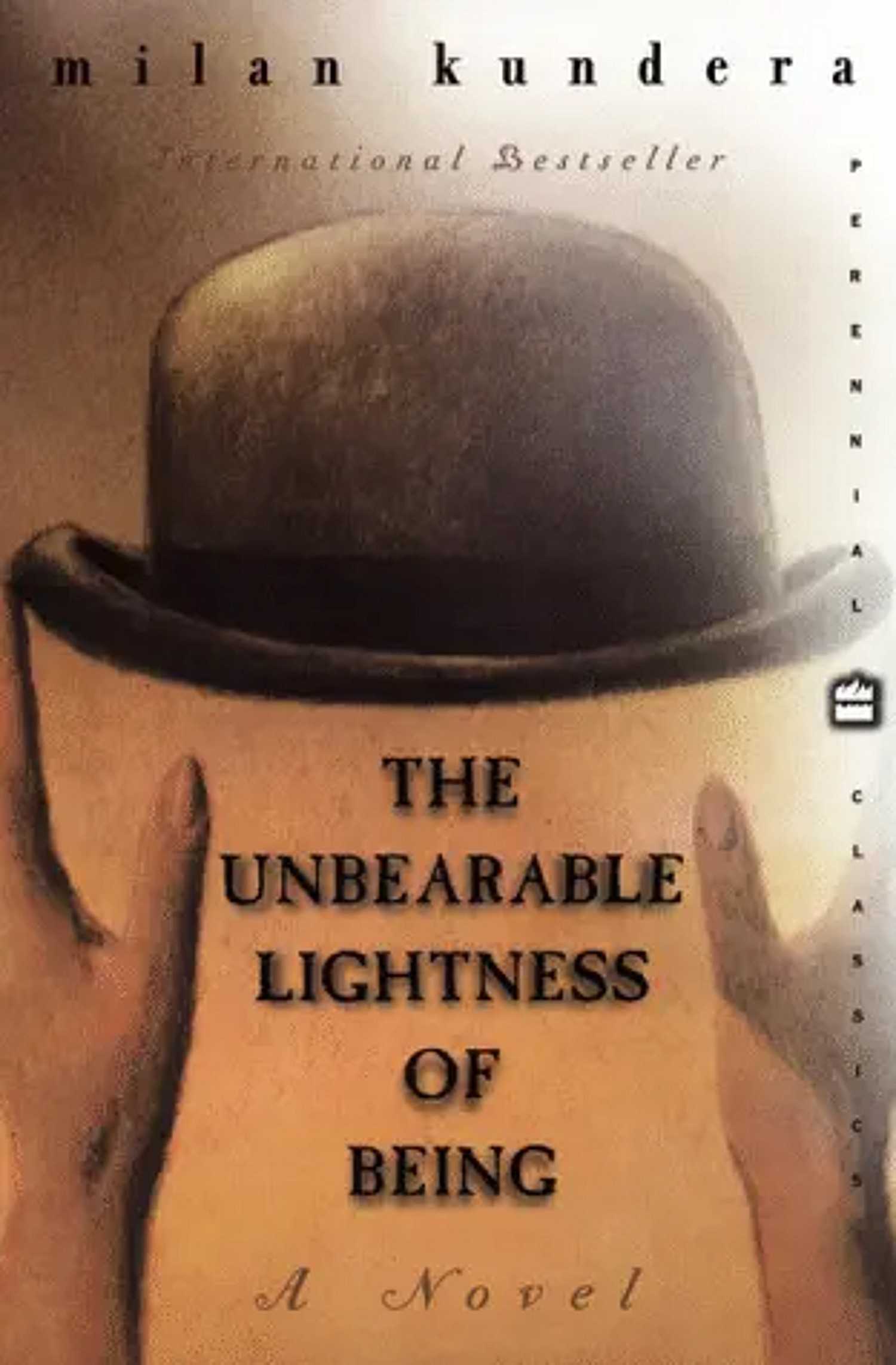
The Unbearable Lightness of Being has something the other books on this list lack: it’s sexy. Like the books above, it’s primary obsession is with philosophical ideas, but it embodies them in its characters’ lives, notably their sex lives, in a way that made it a touchstone novel for the 1980s.
Unbearable Lightness revolves around author Milan Kundera’s rejection of a Nietzschean thought experiment: “Eternal Recurrence.” The infamous German philosopher posed the idea, “what if the events of our lives repeat on an infinite loop?” Kundera, a Czech author, has his characters grappling with this idea while ultimately accepting it isn’t true.
Unbearable Lightness was made into an Oscar-nominated movie in 1988, starring Daniel Day-Lewis and Juliette Binoche. The film naturally plays up the book’s erotic elements for the screen.
It’s more complicated than that, of course, and it’s also more emotionally gripping. You’ll find yourself deeply invested in The Unbearable Lightness of Being’s characters, cheering their triumphs and shaking your head at their mistakes, and while they might have only had one life to live, you’ll find yourself returning to the book again and again.