This post was originally published on here
By Michael McKee
Correspondent
When “28 Days Later” first came out decades ago, it was instantly iconic with its reinvention of zombies as red-eyed, rage-fuelled monsters that run at terrifying speeds instead of slowly lurch, a type of zombie that would become popularly known as a ‘runner.’
Originally inspired by the “Resident Evil” gaming franchise, the British horror film also led to the resurgence of zombie media that dominated the 2000s and early 2010s with such works as “Shaun of the Dead,” “The Walking Dead,” and “The Last of Us,” as well as further installments in the “Resident Evil” franchise.
“28 Days Later” was also important in launching the film careers of its star and writer respectively: Cillian Murphy and Alex Garland. With all this in mind, it is hard to overstate the impact that “28 Days Later” has left on our culture.
The “28 Days” franchise continued through the years. In 2007, the less successful but decently enjoyed sequel “28 Weeks Later” released, with a graphic novel following that same year and a comic series in 2009. After over a decade of inactivity during the 2010s, the “28 Days” franchise returned with “28 Years Later.”
The film was focused on a Britain in 2030 that had been isolated from the rest of world for decades by a NATO quarantine aimed at containing the infection. The main character of the film is a young boy named Spike who is dealing with entering adolescence while living in a safe but isolated island community.
In the film he leaves the safety of the island into the zombie-ridden mainland where he comes across Dr. Ian Kelson, an eccentric but humanitarian physician who has a unique outlook on life and death. After meeting Kelson, Spike decides to stay on the mainland and make his own way in the world.
This film was a massive return for the “28 Days” franchise, with the original’s Danny Boyle coming back to direct, Alex Garland writing, big stars like Ralph Fiennes as Dr. Kelson and Aaron Taylor-Johnson as Spike’s dad and it being the first in a planned “28 Years Later” trilogy.
A year later, we got to see the second installment of that trilogy.
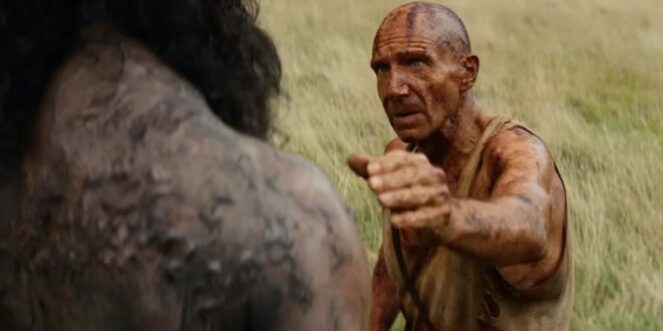
“Bone Temple” shifts the focus to Dr. Kelson, who is using morphine to make the infected docile, specifically a hulking ‘Alpha’ he dubs Samson. Meanwhile, the other half of the film’s focus is dedicated to Spike, who has been unwillingly initiated into the Fingers, a Satanist cult led by the sadistic and charismatic Sir Lord Jimmy Chrystal with his devoted acolytes who all adopt the name ‘Jimmy’ as well.
The film handles its tone brilliantly. The contrast between Kelson and the Fingers’ plots makes for an eclectic experience, where at one moment you’re with Spike, watching the Fingers commit atrocities across the English countryside and the next your with Kelson, watching as he goes through his life on his island of bones while finding out what makes the infected tick.
Director Nia Decosta’s direction is interesting in how it differentiates itself from the preceding film. Boyle made use of arc shots, slow-mo, frequent cuts and inserted footage to disorient and excite the viewer while Decosta has the audience sit with a moment, whether putting them on edge with the horror of the Fingers or letting them relax in Kelson’s titular bone temple. The differences between the two films become more interesting when you realize they were shot back-to-back.
Decosta also makes fantastic use of needle drops with Radiohead’s “Everything in It’s Right Place” used to illustrate the peaceful and safe nature of Kelson’s bone temple and Iron Maiden’s “The Number of the Beast” used in what is without a doubt the film’s best scene.
Any discussion of the film is incomplete without mentioning its performances. The film’s standout performance is Fiennes as Kelson, who emphasises the doctor’s philosophy, intelligence and compassion. After him is Jack O’Connel as Jimmy Chrystal, who does an amazing job capturing the charismatic yet terrifying nature of a cult leader obsessed with religion, Teletubbies and himself.
Any cult would be incomplete without its cultists, leading to Alfie Williams as Spike who captures how terrifying it would be to be trapped with these psychopaths and Erin Kellyman as Jimmy Ink who forms a sibling-like bond with Spike as she protects him in this dangerous world. It would also be remiss not to mention the other Jimmys who are horrifically unhinged in their roles. Last but not least is Chi Lewis-Parry as Samson who is incredibly physically imposing as the infected ‘Alpha’ and explores if there really is any humanity among these monsters.
All in all, “28 Years Later: The Bone Temple” is a true return for the legendary franchise and well worthy of a third film to complete its trilogy. Defined by its fantastic performances, philosophical themes and creative direction, the film is well worth a watch for anyone interested in good zombie media or great movies in general.