This post was originally published on here
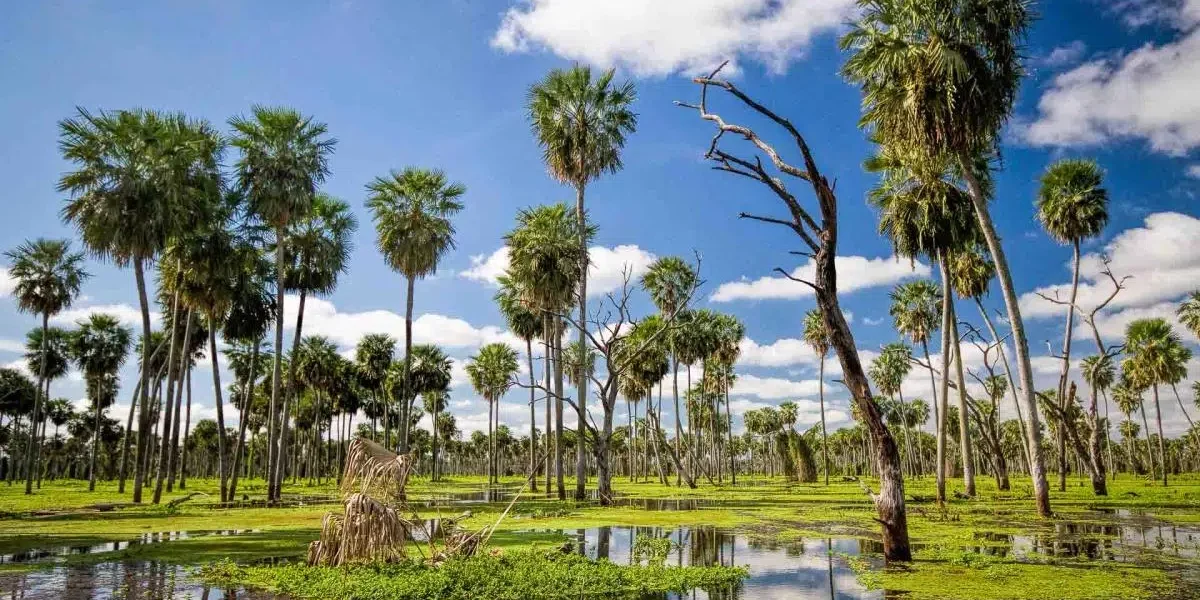
With an area of 400,000 hectares, this wetland which is a biodiversity sanctuary—part of the Seven Natural Wonders of Argentina—offers a unique virgin nature experience in the Gran Chaco.
The Bañado La Estrella is currently positioned as one of the most stunning and least explored destinations in northern Argentina.
Located in the province of Formosa, this 400,000-hectare biodiversity sanctuary not only holds the title of being the second largest wetland in the country, but it is also officially recognized as one of the Seven Natural Wonders of Argentina.
Its origin, linked to the cyclical overflows of the Pilcomayo River, has given rise to a changing landscape where flora and fauna coexist in an exceptional state of preservation.
For those seeking tourism in Formosa, this “oasis” offers a scene dominated by the “champales“: trees that, after being submerged by the advancing water, have died but remain standing covered by dense vines, creating natural vegetable sculptures.
This environment is home to an amazing biodiversity sanctuary, including the jabiru (the largest stork in America), capybaras, caimans, and curiyú boas, making it a strategic point for bird watching and photo safaris.
Access and main activities
Access to this natural wonder is mainly centralized from the town of Las Lomitas, located about 300 kilometers from the provincial capital. From there, visitors can choose between two key access points:
- El Vertedero: Located on Provincial Route 28 (paved), it is the easiest access site. It functions as a hydro-road work that regulates the water flow and is ideal for watching the sunset and practicing sport fishing.
- Fortín La Soledad: 65 kilometers from Las Lomitas, it is reached by a dirt road. It is the starting point for canoe or boat navigations, allowing a deep immersion into the heart of Bañado La Estrella.
In addition to its ecological value, the biodiversity sanctuary, the region stands out for its cultural richness, being the territory of indigenous communities such as the Pilagá, who offer guided trails and share their ancestral traditions with travelers.
Undoubtedly, this destination represents the perfect opportunity to disconnect from mass circuits and discover the purest essence of the Formosan landscape.