This post was originally published on here
Europeans’ desire to travel in 2026 not only remains strong, but also reaches record levels, despite intense pressures from the rising cost of living and worrying developments in the Middle East. At the same time, however, they plan to limit both the duration of their trips and the amount of their spending.
The Greek tourism industry is called upon to manage a market that, although maintaining high momentum, is becoming increasingly sensitive to cost and geopolitical risks, requiring a strategic focus on safety, value for money and the diversification of the product offered beyond traditional demand centers.
According to the latest report of the European Travel Commission (ETC) for the six months of spring and summer 2026, the travel intention of citizens of Europe is set at an impressive 82%.
This is the first sentiment survey since the outbreak of the Persian Gulf War: It was conducted in March and the data was collected during the recent escalation of the conflict in Iran. Therefore, the findings are not dated, but reflect the psychology of potential travelers in the midst of war tensions, which are now the second most important concern for Europeans.
The war in the Persian Gulf is the top geopolitical concern for 18% of potential travelers, while the security of the destination emerges as a critical selection criterion for 22% of the sample.
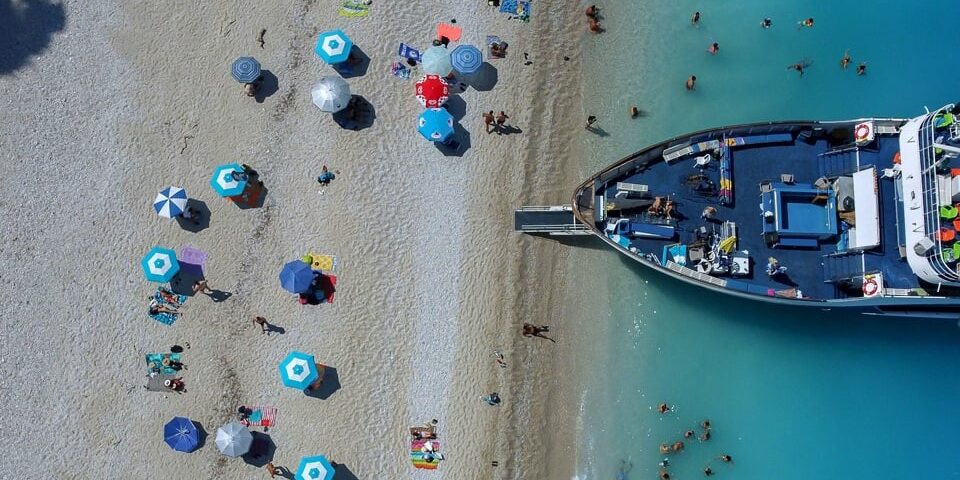
Despite these pressures, demand for Southern and Mediterranean Europe, where Greece holds a dominant position, is strengthening by 17%, with 59% of Europeans planning visits to the region. This preference is mainly based on the “sea and sun” product, which leads demand with 28%, showing an increase of 5% from last year. This is also a particularly positive fact for Greece.
About 52% of travelers who choose the Mediterranean plan to stay for more than seven nights, a percentage significantly higher than the 42% recorded in other European regions. Pressure on disposable income leads to a redistribution of expenses, with 38% limiting the duration of the trip to four to six nights, while stays for seven to 12 nights fall to 37%.