This post was originally published on here
A gunman killed one Canadian tourist and wounded 13 others at Mexico’s Teotihuacan pyramids on April 20, 2026. The attacker died at the scene. The victims came from six different countries.
The shooter, identified as 27-year-old Mexican national Julio Cesar Jasso, opened fire at the Teotihuacan archaeological site, a pre-Columbian city roughly 30 miles northeast of Mexico City that draws millions of visitors annually and ranks among the most-visited heritage sites in Latin America.
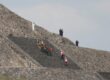
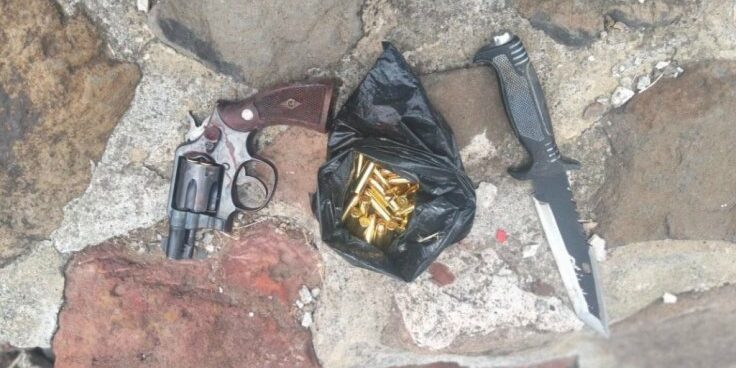
Video circulated online showed Jasso brandishing a pistol from atop one of the pyramids as tourists below scrambled for cover. He died of a self-inflicted gunshot wound after the attack.
The injured included six Americans, three Colombians, two Brazilians, one Russian, and one Canadian. The wounded Canadian was identified as 29-year-old Delicia Li de Yong, who sustained a gunshot wound to the upper back.
“What happened today in Teotihuacán deeply hurts us. I express my most sincere solidarity with the people affected and their families. We are in contact with the Canadian Embassy,” said Mexican President Claudia Sheinbaum.
Mexico’s Instituto Mexicano del Seguro Social (IMSS) Bienestar health service treated seven people for injuries that ranged from gunshot wounds to anxiety attacks, with additional victims treated separately. Not all injuries were from direct gunfire. Some tourists were hurt in falls sustained while fleeing the scene.
Canadian Foreign Affairs Minister Anita Anand confirmed the death of a Canadian citizen and the injury of a second in a statement following the attack. “We are deeply saddened by the death of a Canadian citizen and we are in contact with the family,” she added. Her office said consular services were engaged to support affected Canadians.
Security Gaps at a World Heritage Site
A detail drawing pointed attention in the aftermath: security scanning equipment that once screened visitors entering the Teotihuacan site had been discontinued before the attack.
It was not immediately clear when the scans were removed, which authority made that decision, or whether any review of that policy was underway. Mexican authorities had not publicly addressed the lapse as of the time of reporting.
X
The attack fell on April 20, a date noted by the Los Angeles Times as the anniversary of the 1999 Columbine High School massacre in Colorado. Investigators had not publicly established whether the date carried any significance to the gunman, and no motive had been announced.
Teotihuacan has faced pressures beyond security in recent years. Illegal construction in and around the site has threatened the structural integrity of its ancient monuments.
The United Nations Educational, Scientific and Cultural Organization (UNESCO) list Teotihuacan as a World Heritage Site. The April 20 shooting adds a new dimension to long-standing concerns about the site’s vulnerability and the adequacy of oversight by Mexican federal authorities responsible for its protection.
The attack comes as Mexico’s government has faced sustained scrutiny over violence affecting foreign visitors. Six Americans from the pool of 13 injured represent a direct stake for U.S. travelers and families, and the State Department’s travel advisory framework for Mexico has long flagged elevated risk across multiple states.
The Teotihuacan site sits in the State of Mexico, which surrounds the capital. No specific advisory update had been issued for the site in the immediate aftermath of the shooting.
Mexican authorities confirmed the death toll and were investigating the incident. No group claimed responsibility, and the gunman’s background and motive remained under investigation at the time of reporting.
Also Read: Mexico Teotihuacan Pyramids Shooting Linked to 1999 Columbine Mass Shooting