This post was originally published on here
Fantasy and adventure are two genres that synergize well. Over the last 25 years, the best movies in this subgenre have served up killer action and cutting-edge visual effects alongside deeply human stories of resilience, whether leading us into frozen winter worlds or sending us sailing into seas menaced by pirates… and worse.
With that in mind, the movies on this list represent fantasy adventure filmmaking at its absolute peak. They range from sweeping epics to dark fairy tales, brutal revenge sagas to hand-drawn dreams. No matter the narrative, themes, or even the execution, they all offer something for everyone, especially those who love either genre by itself.
10
‘The Hobbit: An Unexpected Journey’ (2012)
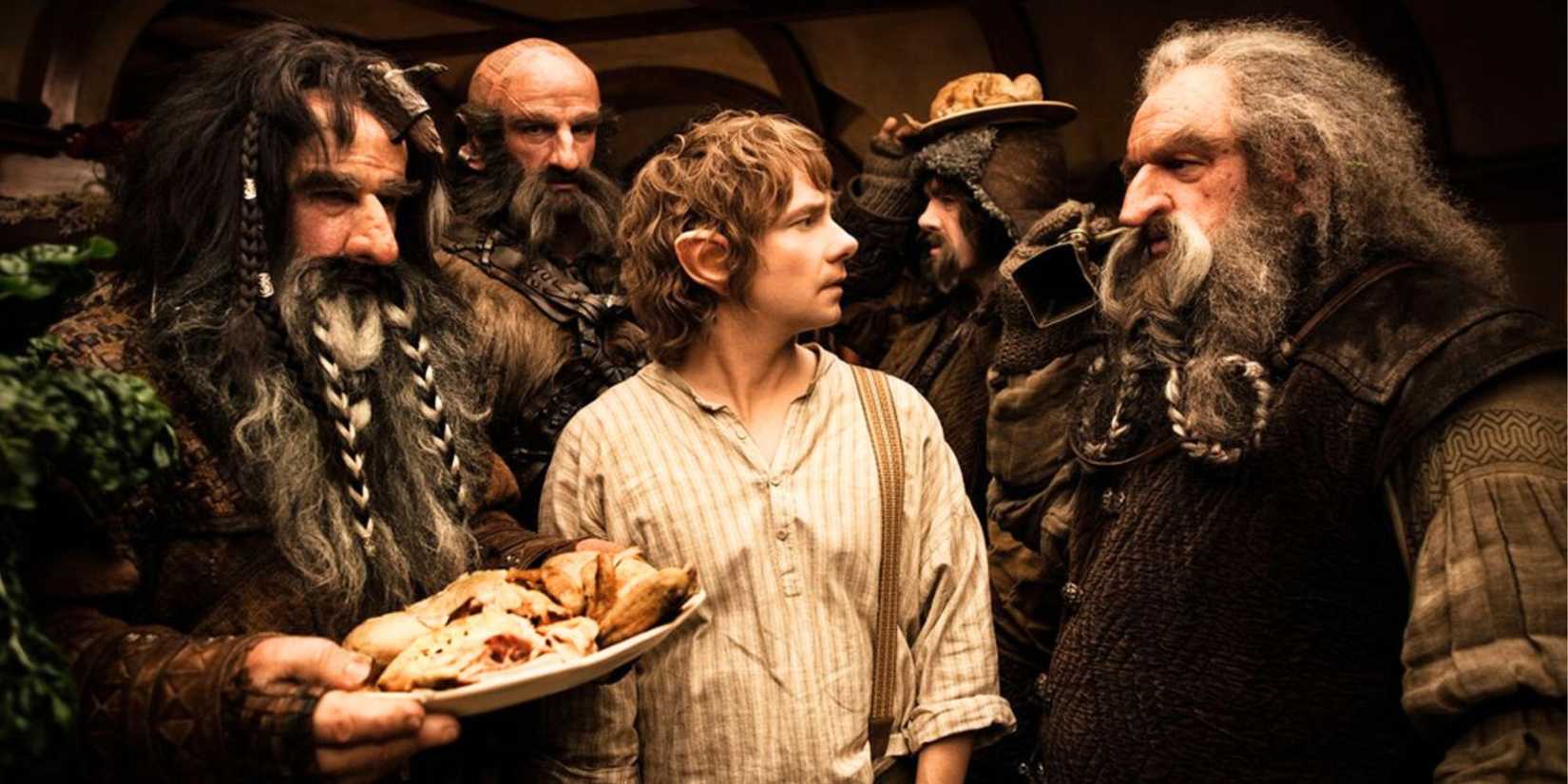
“I’m looking for someone to share in an adventure.” Returning to Middle-earth was always going to carry impossible expectations, and the Hobbit movies were certainly divisive, yet An Unexpected Journey ultimately succeeds because it understands the joy of stepping into the unknown. We’re swept along into the quest as Bilbo’s (Martin Freeman) quiet life is interrupted by Gandalf (Sir Ian McKellen), who recruits him to join a band of dwarves seeking to reclaim their homeland from the dragon Smaug.
While some of the plot points are a little too drawn out (a casualty of stretching a single slim novel into three whole films), the movie compensates with stellar performances and several brilliant set pieces. In particular, the opening sequence in Bag End conjures up a pitch-perfect atmosphere of warmth and humor, while the “Riddles in the Dark” scene with Gollum is a masterclass of writing and motion-capture.
9
‘Pirates of the Caribbean: The Curse of the Black Pearl’ (2003)
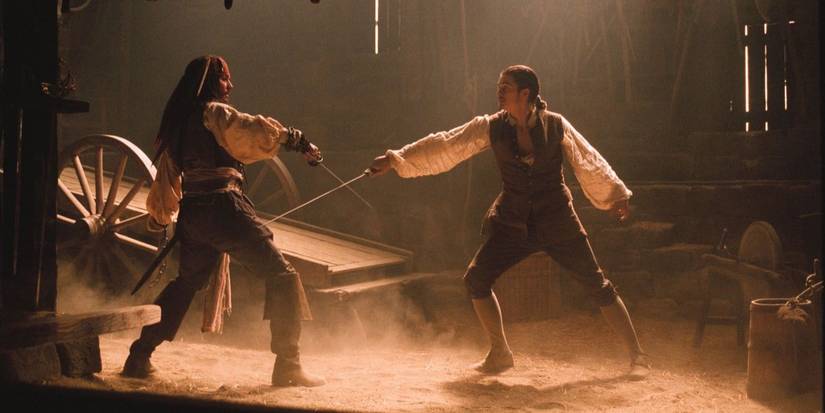
“You best start believing in ghost stories, Miss Turner. You’re in one.” By the early 2000s, pirate movies looked like box-office kryptonite, but the first Pirates of the Caribbean defied the naysayers, serving up a fun comedy-action-mythology romp. At its helm, Johnny Depp delivers one of his most iconic performances as the eccentric Captain Jack Sparrow, who teams up with blacksmith Will Turner (Orlando Bloom) in an attempt to rescue Elizabeth Swann (Keira Knightley) from a cursed pirate crew doomed to live forever as undead skeletons.
The genre-bending here is bold and charming, fusing high fantasy and horror with historical adventure and a hearty helping of swashbuckling. Every action sequence moves the plot forward or reveals character traits, and the visual effects were phenomenal for the time, going mostly practical with classy CGI touches.
8
‘The Chronicles of Narnia: The Lion, the Witch and the Wardrobe’ (2005)
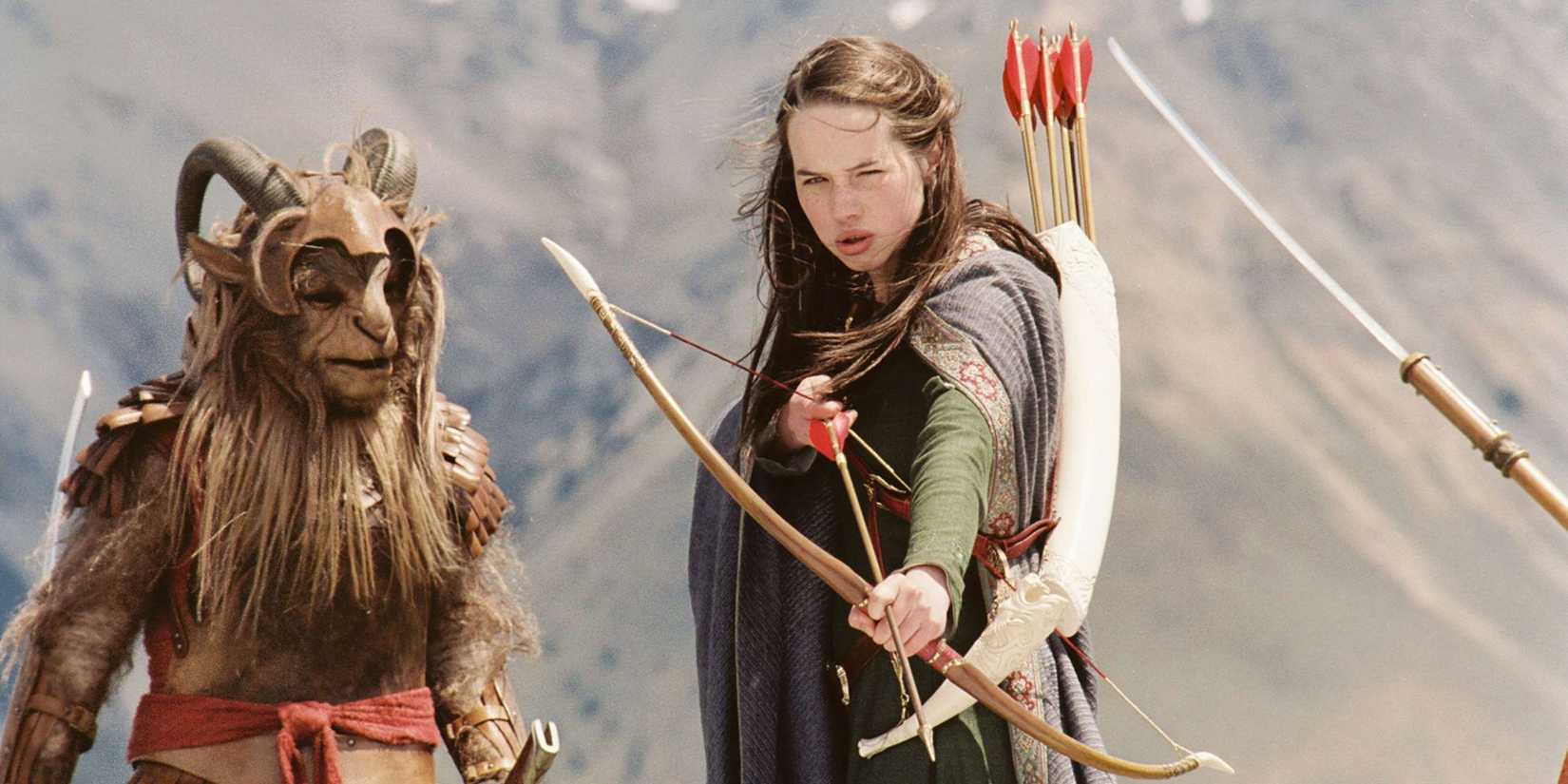
“Once a king or queen of Narnia, always a king or queen of Narnia.” Adapted from C.S. Lewis‘ beloved, deeply philosophical novel, The Chronicles of Narnia: The Lion, the Witch and the Wardrobe follows the four Pevensie siblings (Georgie Henley, Skandar Keynes, William Moseley, and Anna Popplewell) after they discover the hidden world of Narnia. Once there, they become entangled in a prophecy involving the return of the lion Aslan (Liam Neeson) and the overthrow of the White Witch’s (Tilda Swinton) eternal winter.
The film is remarkably sincere, never treating wonder cynically or ironically. Ultimately, under all the magical and monstrous trappings (gorgeously realized by Weta Workshop), The Lion, the Witch and the Wardrobe is fundamentally a story about sacrifice and belief. That said, it doesn’t get too heavy-handed with these themes either, allowing them to emerge naturally from the plot.
7
‘The Northman’ (2022)
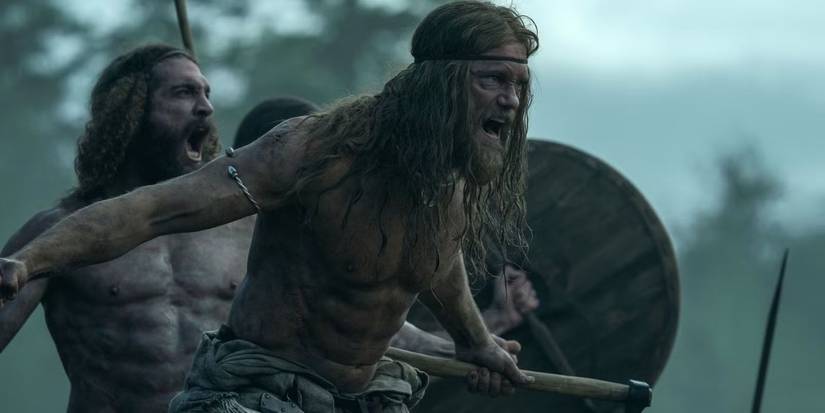
Image via Focus Features
“I will avenge you, Father. I will save you, Mother. I will kill you, Fjölnir.” Brutal and mythic, The Northman feels less like a conventional blockbuster and more like an ancient saga dragged screaming onto the screen. It centers on Viking prince Amleth (Alexander Skarsgård) after his father is murdered by his uncle Fjölnir (Claes Bang), forcing him into exile as a child. Years later, Amleth embarks on a blood-soaked quest for vengeance.
Crucially, director Robert Eggers approaches Norse mythology with dead-seriousness, immersing us in a world of rituals, prophecy, violence, and spiritual terror. The landscapes feel harsh and primordial, while the film’s surreal visions create the sense that the gods themselves may be shaping events from the shadows. This is more or less how the Vikings would have interpreted their world: god-haunted and intense.
6
‘Harry Potter and the Prisoner of Azkaban’ (2004)
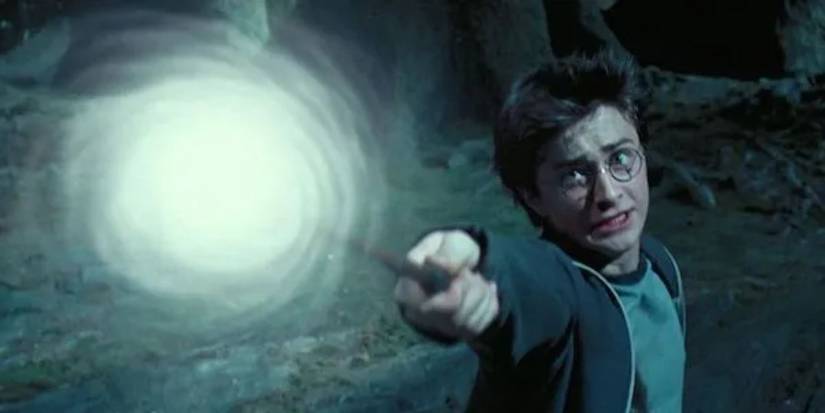
“Happiness can be found even in the darkest of times, if one only remembers to turn on the light.” The greatest of the Harry Potter movies, Prisoner of Azkaban took the franchise in a darker, more mature direction, creating the template that the subsequent installments would emulate to varying degrees of success. This time around, Harry (Daniel Radcliffe) searches for answers about his parents and the escaped prisoner Sirius Black (Gary Oldman), while Dementors menace Hogwarts and the protagonists get their first tastes of teenage angst.
Director Alfonso Cuarón infuses the world with gothic melancholy, transforming Hogwarts from a whimsical fantasy setting into something stranger and more complex. The color palette is more muted, the imagery is grimmer, the skies feel stormier, and the Dementors introduce genuine horror into the series. It all culminates in the time-travel climax, one of the cleverest and most satisfying sequences in the entire franchise.
5
‘Pan’s Labyrinth’ (2006)
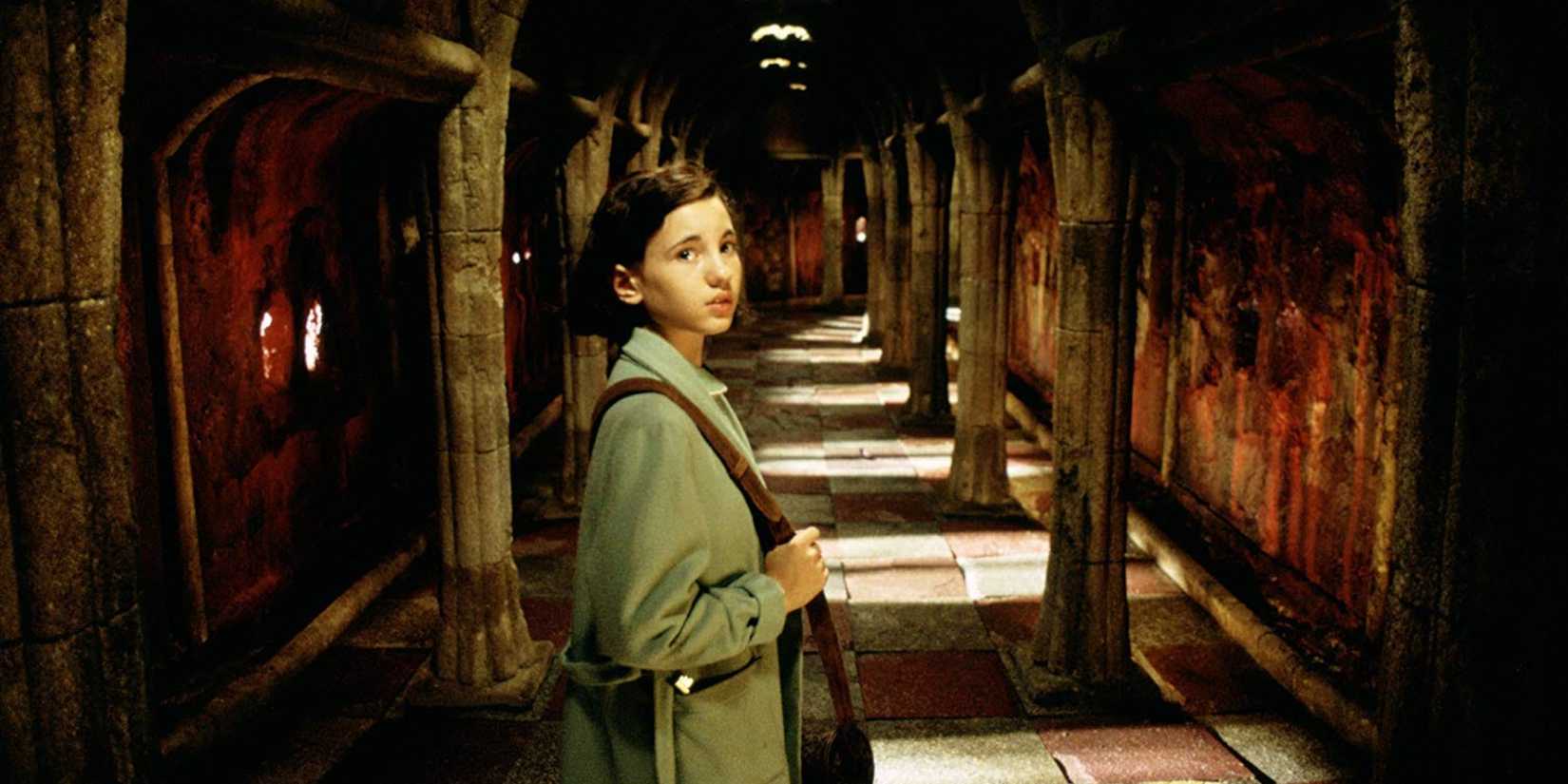
“Innocence has a power evil cannot imagine.” Set against the aftermath of the Spanish Civil War, Guillermo del Toro‘s magnum opus follows young Ofelia (Ivana Baquero) after she moves with her pregnant mother to a remote military outpost commanded by her cruel fascist stepfather, Captain Vidal (Sergi López). Isolated and frightened, Ofelia discovers an ancient labyrinth where a mysterious faun (Doug Jones) tells her she may be the reincarnation of a lost princess from an underground kingdom.
From here, we meet an assortment of oddball characters and magical creatures (including the horrifying Pale Man, one of the most ingeniously creepy movie monsters of all time), all of them serving as metaphors or reflections of dynamics in the real world. Here, the magical world is not an escape from reality, but a dreamlike doppelgänger of its horrors. Simultaneously dark and beautiful.
4
‘Spirited Away’ (2001)
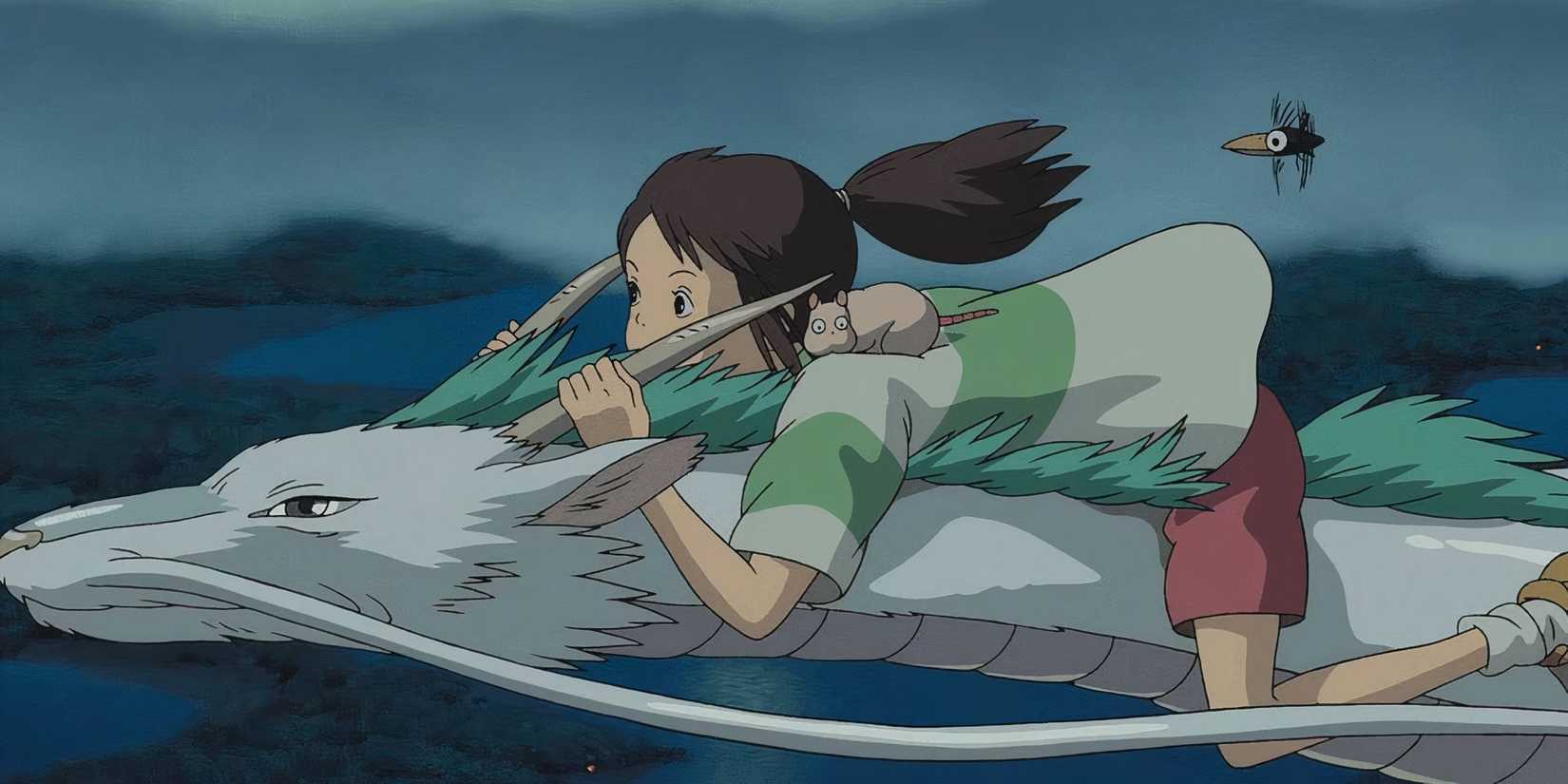
“Once you’ve met someone, you never really forget them.” This Miyazaki gem revolves around ten-year-old Chihiro (Rumi Hiiragi), who accidentally wanders into a mysterious spirit world where her parents are transformed into pigs. Forced to work in a sprawling bathhouse for supernatural beings, she must contend with strange gods, witches, and otherworldly creatures while searching for a way to save her family and return home.
What makes Spirited Away feel magical isn’t simply its imagination (though that imagination is staggering) but its emotional texture. The spirit world operates according to dream logic, constantly surprising the audience with bizarre, beautiful, and occasionally frightening details. The animation is gorgeous and lovingly crafted, with a timeless feel that’s just as accessible today as it was a quarter of a century ago. Yet beneath the fantasy lies a deeply human coming-of-age story. Indeed, Chihiro is really fighting to retain her identity.
3
‘The Green Knight’ (2021)
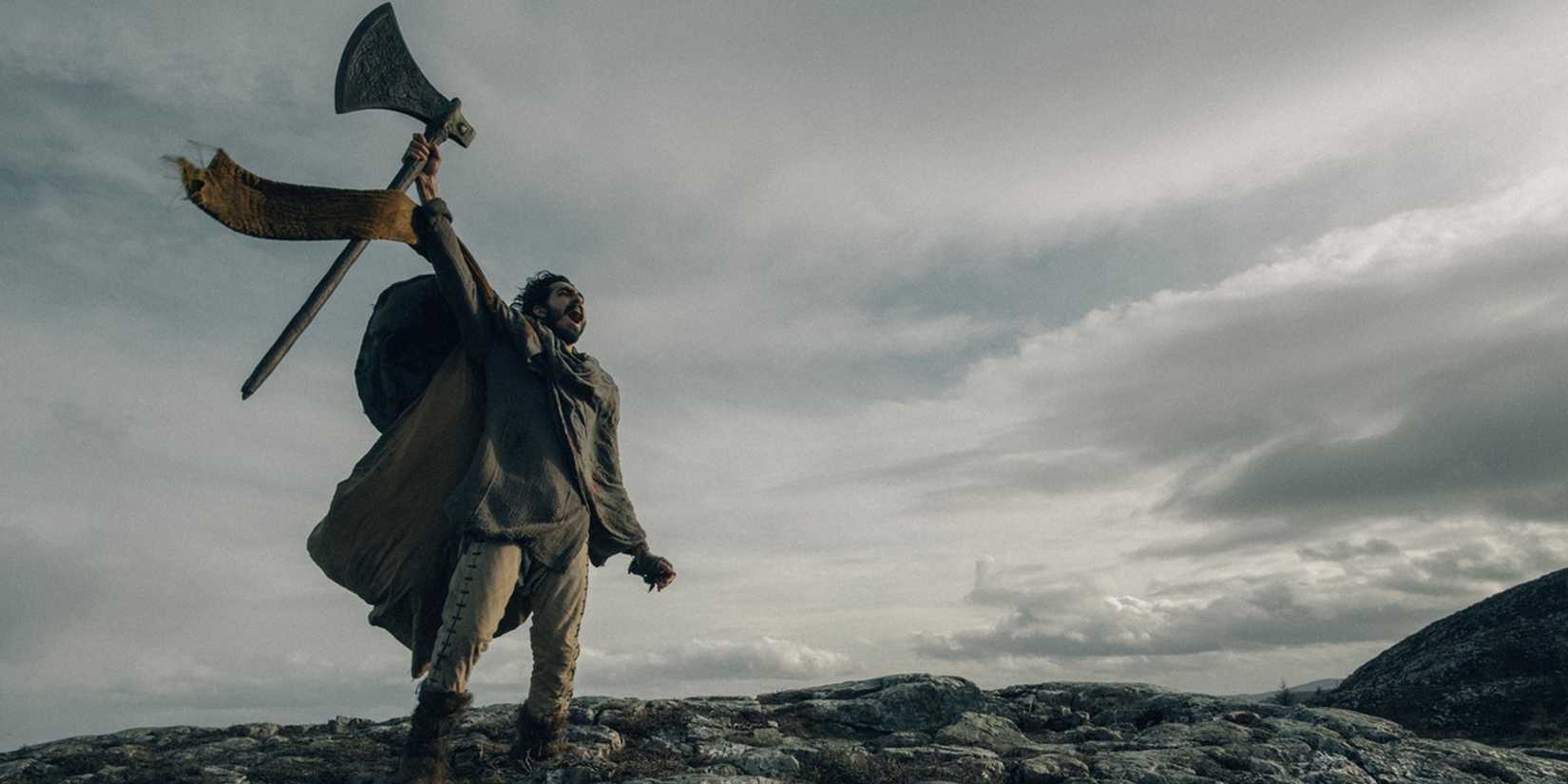
Image via A24
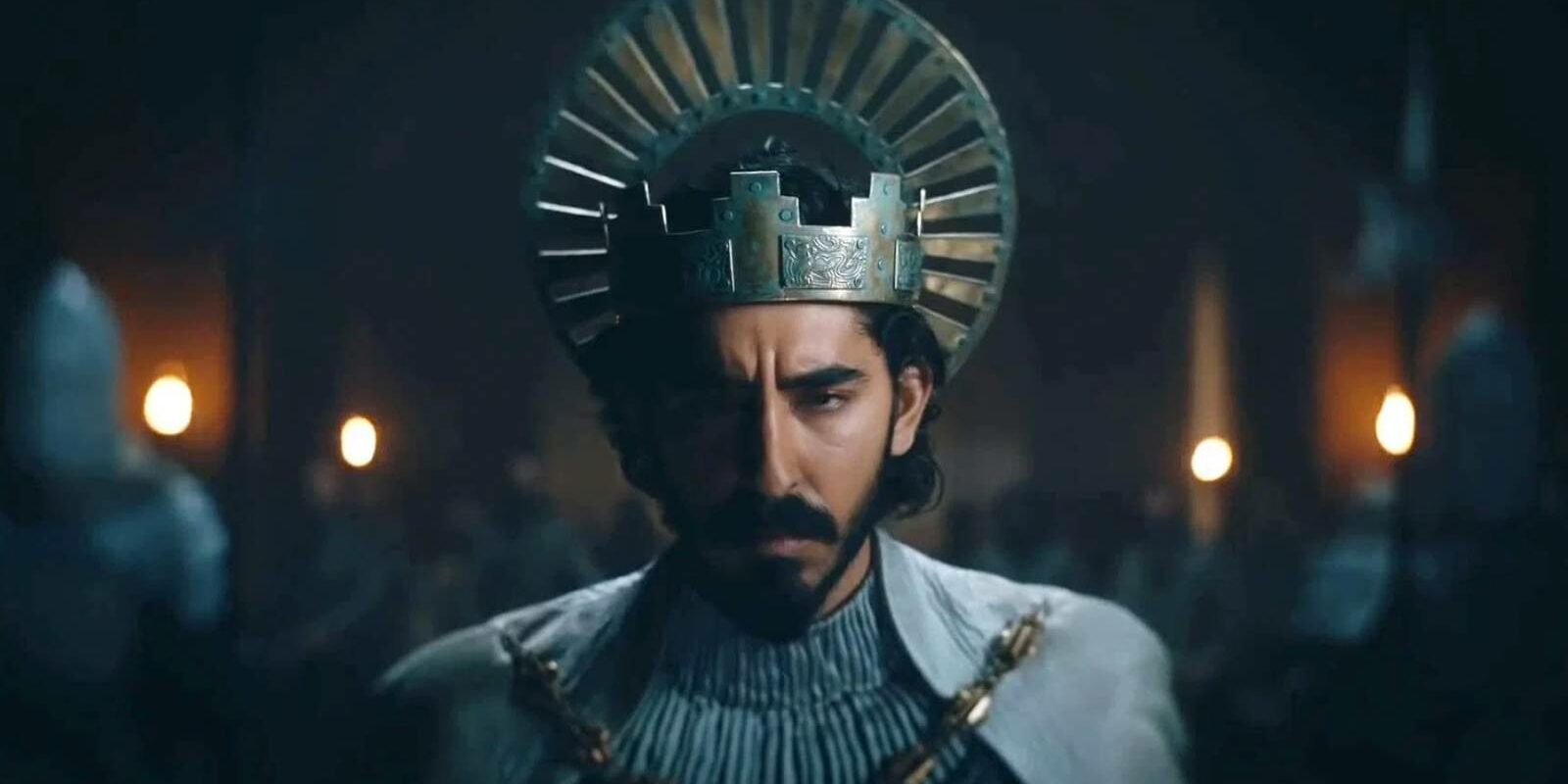
“Is this all there is?” Loosely adapted from the medieval Arthurian poem, The Green Knight follows Sir Gawain (Dev Patel) after he accepts a strange challenge from the enigmatic Green Knight (Ralph Ineson): strike him once now, and receive the same blow in return one year later. The quest that follows is a wandering, existential confrontation with mortality, temptation, honor, and cowardice. The film stands out by being unusually philosophical and psychological for the genre, and yet still gripping.
In place of Hollywood action, the movie gives us riddles and melancholy. Most importantly, Gawain is very different from the paragons of virtue that populate most fairy tales: he’s an unproven, deeply flawed, and often cowardly young man. Driven by vanity and a desire for status, his journey is not about conquering monsters, but about wrestling with his crippling fear of mediocrity, death, and irrelevance.
2
‘The Lord of the Rings: The Two Towers’ (2002)
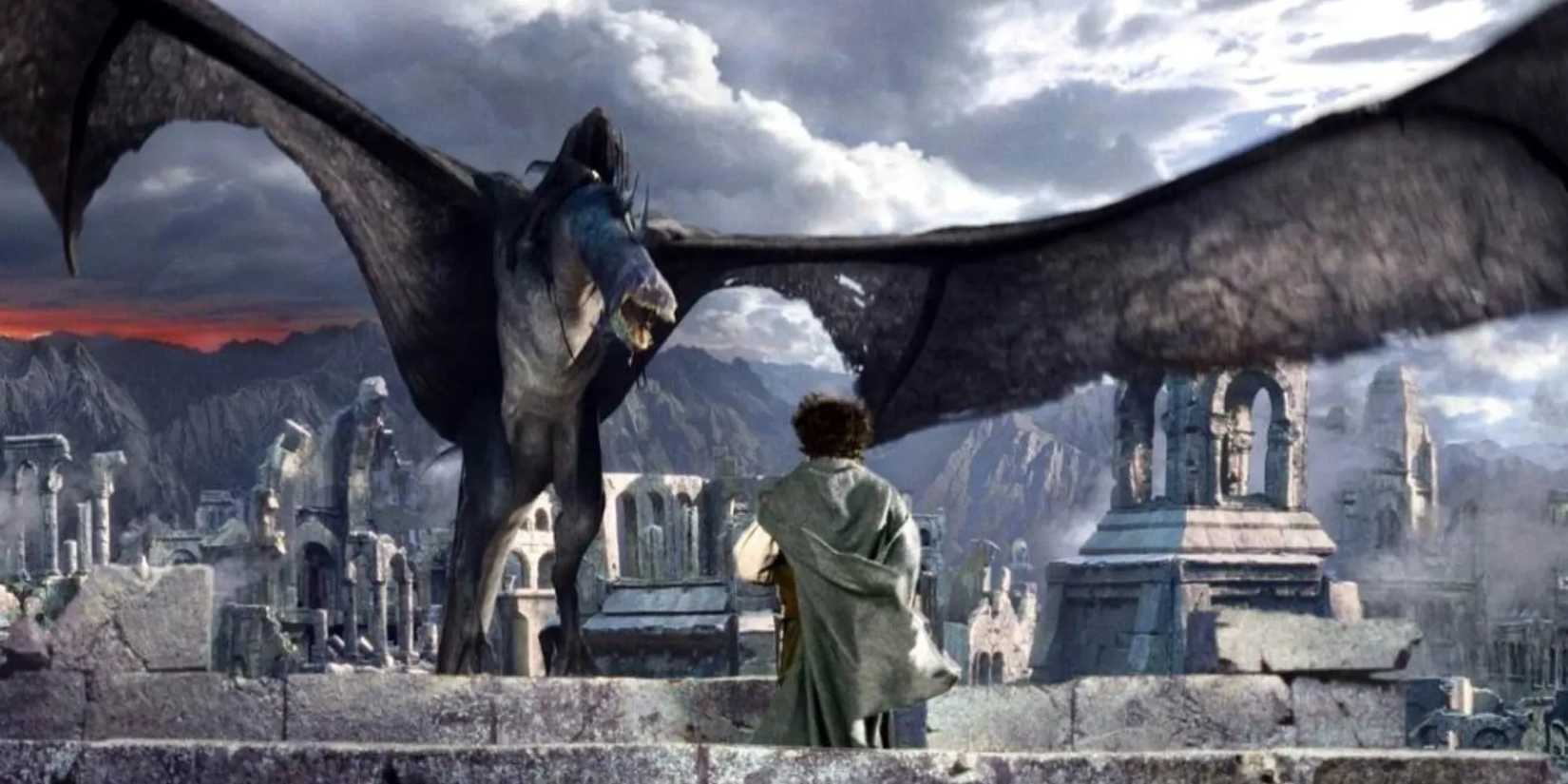
“There is some good in this world, Mr. Frodo… and it’s worth fighting for.” At the start of the century, the Lord of the Rings movies set a new high bar for fantasy that remains unsurpassed. Defying the sophomore slump, the second installment deepens the characters and themes from Fellowship, while also expanding into one of the greatest war movies ever made. Here, Frodo (Elijah Wood) and Sam (Sean Astin) continue their dangerous journey toward Mordor while Aragorn (Viggo Mortensen), Legolas (Orlando Bloom), and Gimli (John Rhys-Davies) aid the kingdom of Rohan against Saruman’s (Christopher Lee) growing armies.
The Battle of Helm’s Deep alone ensures The Two Towers‘ place in movie history. Taking up the entire final act, this sequence remains the definitive cinematic siege battle in cinematic history. Peter Jackson meticulously builds the tension from a single accidental arrow to a grueling, rain-soaked midnight clash against 10,000 Uruk-hai, maintaining a human focus throughout.
1
‘The Lord of the Rings: The Return of the King’ (2003)
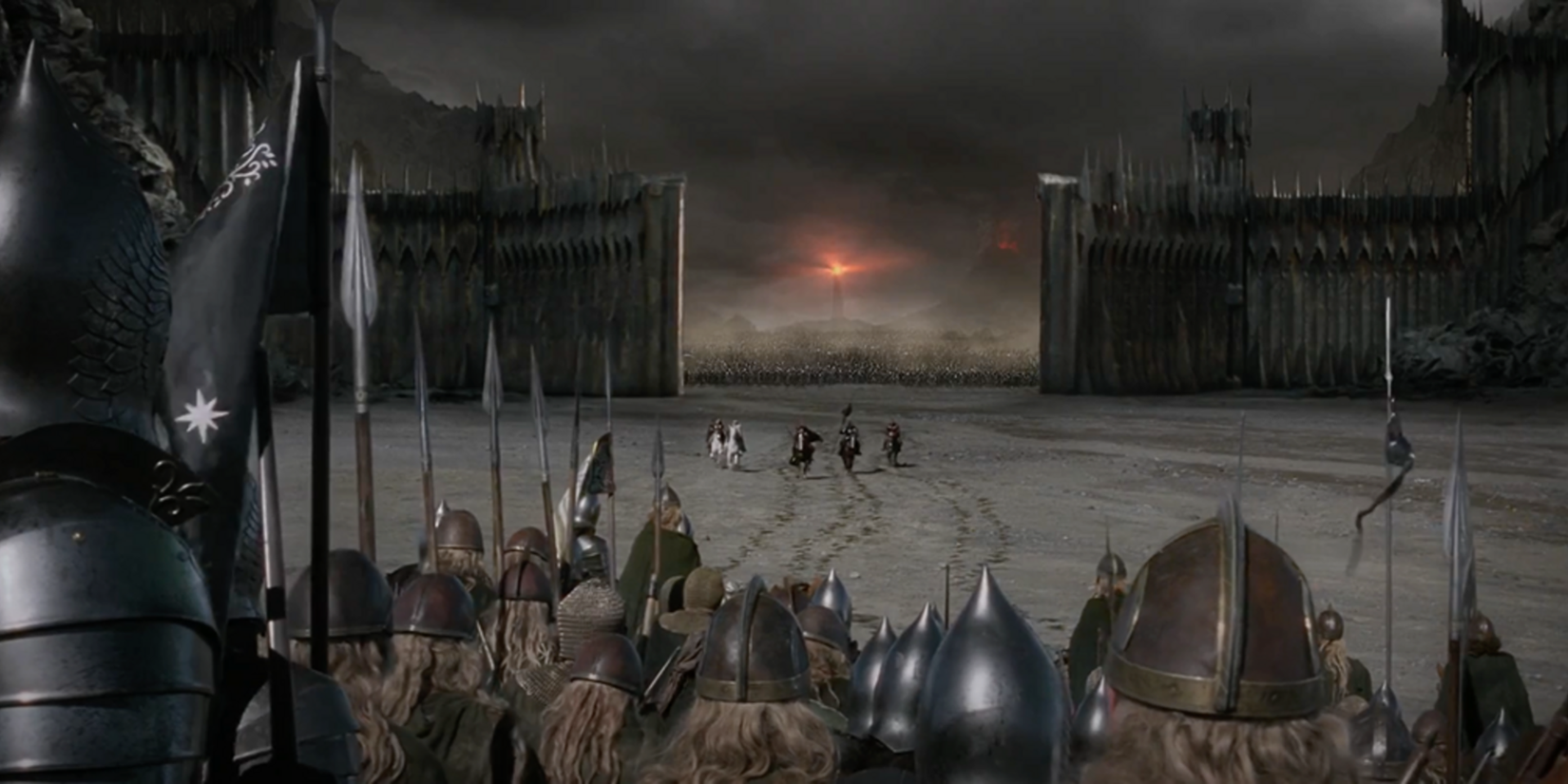
“There can be no triumph without loss. No victory without suffering. No freedom without sacrifice.” Jackson upped the ante even further with The Lord of the Rings: The Return of the King. The movie concludes the journey of the Fellowship as the forces of Middle-earth make one final stand against Sauron while Frodo and Sam struggle toward Mount Doom to destroy the One Ring. What makes the film remarkable is that it somehow carries the weight of myth while remaining emotionally grounded.
The battles are spectacular, particularly the Siege of Minas Tirith, but the film’s most powerful moments are often quiet ones: Aragorn accepting his destiny, Gandalf comforting frightened soldiers before battle, Sam carrying Frodo up the mountain. Indeed, the grueling ascent up Mount Doom strips away the grand magic of Middle-earth to focus on raw, human devotion, turning a fantasy epic into something genuinely touching.
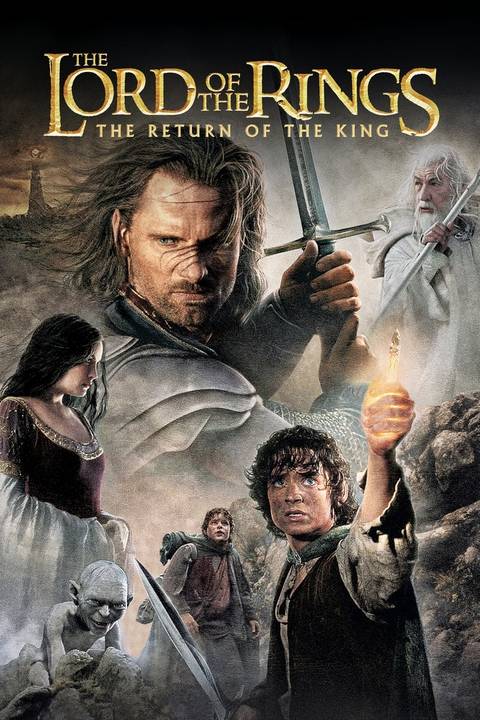
The Lord of the Rings: The Return of the King
- Release Date
-
December 17, 2003
- Cast
-
Elijah Wood, Ian McKellen, Viggo Mortensen, Sean Astin, Andy Serkis, Dominic Monaghan, Billy Boyd, John Noble, David Wenham, Miranda Otto, Bernard Hill, John Rhys-Davies, Orlando Bloom, Hugo Weaving, Liv Tyler, Cate Blanchett, Karl Urban, Ian Holm, Sean Bean, Lawrence Makoare, Marton Csokas, Paul Norell, Noel Appleby, Sarah McLeod, Ali Astin
- Runtime
-
201 minutes
- Writers
-
Fran Walsh, Philippa Boyens, Peter Jackson, J.R.R. Tolkien