This post was originally published on here
One of the great pleasures of watching the Oscars is declaring just how wrong the Academy has got it, especially when it comes to the main event, best picture – because Oscar history is littered with controversies that look baffling in hindsight.
Some of the greatest films ever made went home empty-handed, or weren’t even nominated, while the movies that beat them have sometimes faded from memory. Others lost agonisingly close contests that film fans are still arguing about decades later.
Looking back over the history of the Oscars, we pick out the films that really should have won, that are simply too great to have gone unrecognised, while identifying those best picture winners that have totally failed to stand up to scrutiny.
35. A Streetcar Named Desire (1951)
What won: An American in Paris
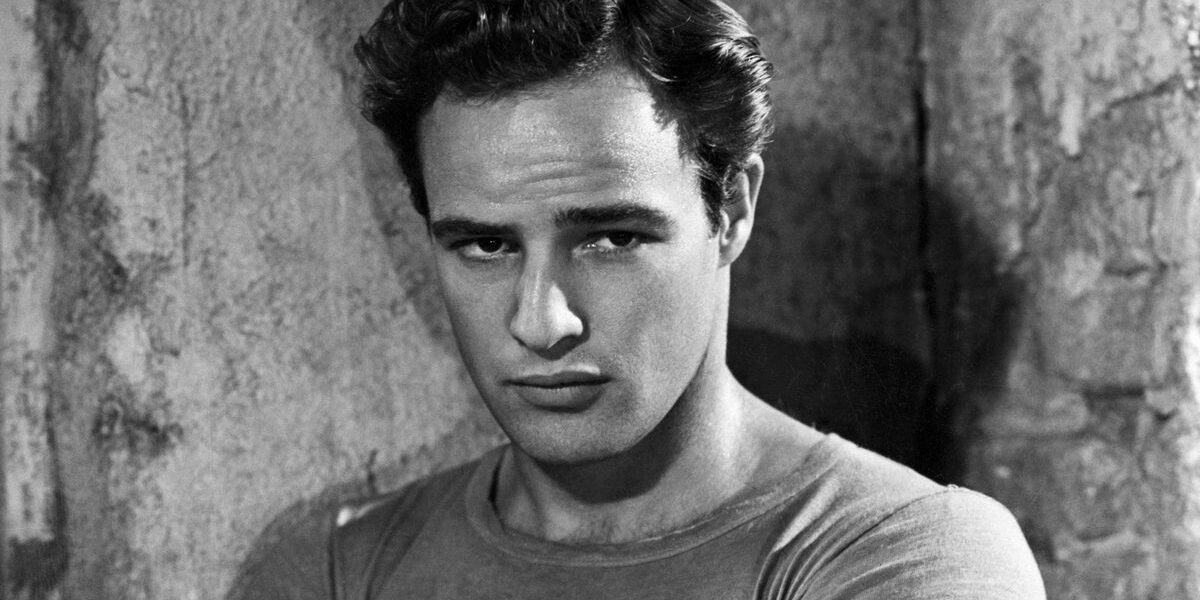
Elia Kazan’s gloriously tormented adaptation of Tennessee Williams’s play was the first film to pick up three of the four acting prizes (Marlon Brando, who received the first of four consecutive best actor nominations for Streetcar would have to wait until 1954’s On the Waterfront to win). It was widely admired and the joint favourite to win best picture at the 24th Academy Awards in 1952, alongside A Place in the Sun.
Instead, An American in Paris was that year’s surprise winner, prompting a collective gasp in the auditorium. An American in Paris has always had its fans and has grown in stature (it’s ranked number nine in the American Film Institute’s Greatest Movie Musicals), but Streetcar remains a masterclass in the power of screen performance, with Brando’s clashes with Vivien Leigh’s Blanche DuBois a face-off for the ages.
34. Dune (2021)
What won: CODA
Considered unfilmable, with a forgettable miniseries and David Lynch’s disastrous 1984 feature only cementing that impression, Frank Herbert’s seminal sci-fi novel needed a true visionary and sizeable budget to bring it successfully to the screen. Having helmed Arrival and Blade Runner 2049, Canadian director Denis Villeneuve was very much the man for the job.
Dune was the biggest winner at the 2022 Oscars ceremony, picking up six awards, including for its sound, editing, production design and cinematography, but it was perceived as a great technical accomplishment, with no nominations for its cast and Villeneuve shut out of the directing prize.
The eventual winner of best picture, CODA, was its polar opposite: a minor, honourably intentioned film set amongst the deaf community and telling a likeable, grounded tale. However, Dune is such a phenomenal success story (spawning an even-better sequel, with a third instalment due to be released later this year), that this is one occasion where bigger actually equals better.
33) Boyhood (2014)
What won: Birdman
With Boyhood, director Richard Linklater did something astonishing. Ambitiously shot between 2002 and 2013, it’s the ultimate coming-of-ager, following a boy from the ages of six to 18 and using the same actor, Ellar Coltrane, and supporting cast throughout. Taken alongside Linklater’s fluid and collaborative screenwriting process, the result is something that’s incomparably authentic.
It was nominated for six Oscars at the 87th awards, including best picture, but came away with just one (Patricia Arquette’s best supporting actress win). Rolling Stone’s Peter Travers named it his movie of the year, with The Guardian’s Peter Bradshaw going further and calling it one of “the greatest films of the decade”. Alejandro G Iñárritu’s flashier Birdman took flight in the end, nabbing four gongs, including best picture, but Boyhood’s believability and timelessness ensure it won’t be forgotten.
32) Black Panther (2018)
What won: Green Book
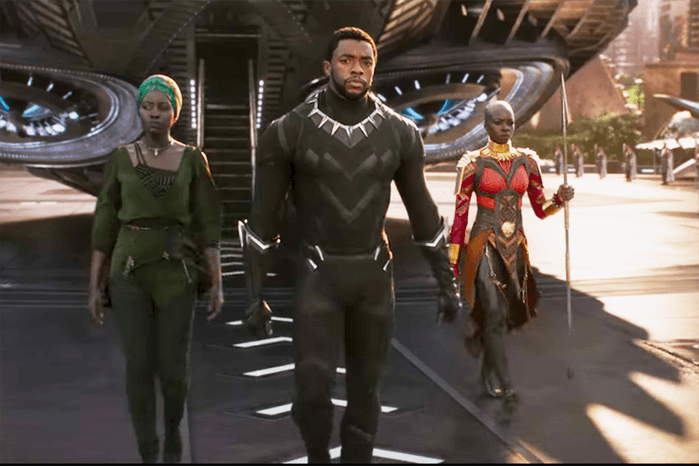
The pick of the MCU to date, Ryan Coogler’s triumphant Black Panther thrillingly combined Afrofuturist themes with spectacular action. It boasted an almost entirely Black cast, banishing stereotypes, elevating its women, and providing an unforgettable, politically infused battle between Chadwick Boseman’s noble T’Challa and Michael B Jordan’s vengeful and fiercely charismatic Killmonger, which gave audiences plenty to chew on.
The film took well over a billion dollars at the box office and it was nominated for best picture at the 91st Academy Awards, the first superhero film to achieve the honour. It could have been the moment to recognise its achievements, both artistic and commercial, and the impact superhero films have had on cinema. Instead, best picture was won by Peter Farrelly’s formulaic and feel-good Green Book.
31) Zero Dark Thirty (2012)
What won: Argo
With a ferociously uncompromising woman at the fore and one behind the camera, Zero Dark Thirty offers a thorny, morally complex and unashamedly intelligent take on the dogged, near decade-long hunt for al-Qaeda leader Osama bin Laden. Jessica Chastain plays a CIA analyst who is fighting to be taken seriously in a male-dominated environment. The first woman to win an Oscar for best director, Kathryn Bigelow (who won for 2008’s The Hurt Locker) knows what that feels like, and she outdoes herself here, ratcheting up the tension and fearlessly tackling issues like torture.
Zero Dark Thirty was up against a tough field for best picture in 2013. Sadly, this was another case of a film losing out to a more conservative competitor, with Argo’s more simplistic and straightforwardly enjoyable spin on its own CIA tale proving more popular with the Academy.
30) Get Out (2017)
What won: The Shape of Water
Get Out heralded the arrival of an exciting new filmmaking talent in the shape of writer-director Jordan Peele, previously known for his comedy collaborations with Keegan-Michael Key. It’s a rare example of a horror film muscling its way into awards contention and contains a barnstorming performance from the brilliant British actor Daniel Kaluuya.
This instantly iconic film was nominated for four Academy Awards in 2018; Peele bagged the best original screenplay Oscar in acknowledgement of the idiosyncrasy of his vision (he was the first African American winner of the prize), but the film lost best picture to Guillermo del Toro’s seductive sci-fi romance The Shape of Water.
However, Get Out is the film that has had more impact on the collective consciousness. With astonishing imagery and imaginative ideas, it’s a smart and suitably scathing attack on US race-relations, saving its scorn for liberals. It topped both Rolling Stone and Empire’s lists of the greatest horror movies of the 21st century.
29) The Piano (1993)
What won: Schindler’s List
Schindler’s List was a shoo-in for Academy Award domination at the 1994 ceremony. It’s a film steeped in worthiness, both in terms of the weight of its subject matter and its director Steven Spielberg’s long history of Oscar injustices, and it came away with seven trophies, including best picture. But its quietly powerful fellow best picture nominee The Piano would have been an even better choice.
It stands proud amongst the finest films of the era, transcending its arthouse origins to gain international recognition based on talent and word of mouth. It won its Kiwi director Jane Campion the best original screenplay award, while she was only the second woman ever to be nominated for the best director prize. Holly Hunter picked up best actress for her masterful yet mute performance, and 11-year-old best supporting actress winner Anna Paquin became the second youngest winner of a competitive acting Oscar.
28) Heat (1995)
What won: Braveheart
It seems like madness, but while Mel Gibson was crowing at Braveheart’s five Oscars, including 1996’s best picture gong, one of the greatest American films of the 1990s hadn’t been nominated for a single one. Released in late 1995, Michael Mann’s Heat featured the first on-screen coming together of acting heavyweights Robert De Niro and Al Pacino, plus some of the best action sequences ever committed to the big screen.
The historically dubious, fiercely Anglophobic Braveheart has lost its lustre over time, not least due to Gibson’s self-inflicted fall from grace. On the other hand, Heat has been embraced as a modern crime classic, proving massively influential (The Dark Knight is just one example of a film that owes it a significant debt) and Heat 2 is in the works, having recently secured the services of Leonardo DiCaprio and Christian Bale.
27) Rosemary’s Baby (1968)
What won: Oliver!
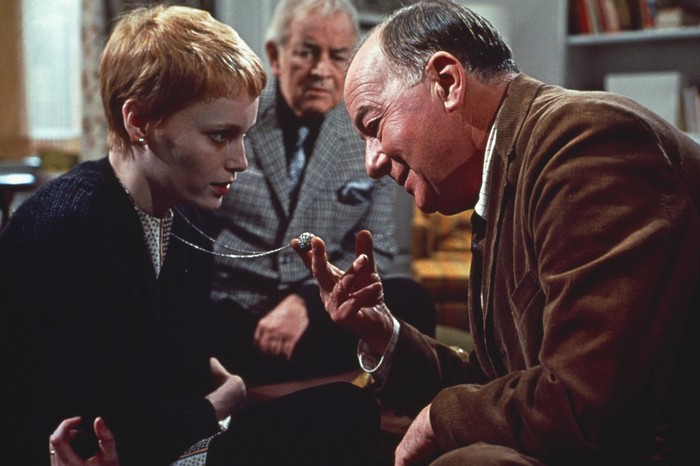
Carol Reed’s well-regarded British musical Oliver! would see off a strong field to win best picture at the 41st Academy Awards, but it was nominees like Rosemary’s Baby and 2001: A Space Odyssey (neither of which were up for the big prize) that better represented the exciting new direction cinema was taking, with their auteur-driven, New Hollywood audacity.
Directed by Roman Polanski and based on Ira Levin’s novel, Rosemary’s Baby aligns us strongly with housewife Rosemary (superbly played by Mia Farrow) as she comes to suspect that her husband and elderly neighbours are satanists. Described as “gynaecological gothic” by Penelope Gilliatt in The New Yorker, the film benefits from a provocatively feminist narrative that turns domestic bliss into a nightmare, and motherhood into something truly monstrous.
26) Brokeback Mountain (2005)
What won: Crash
One of the most famous perceived injustices occurred in 2006 during the 78th Academy Awards, when Paul Haggis’s well-intentioned but clunky race-relations drama Crash was crowned best picture, with presenter Jack Nicholson mouthing a gobsmacked “woah” as he read out the result. It had beaten that year’s favourite, Ang Lee’s much-admired gay cowboy drama Brokeback Mountain, starring Heath Ledger and Jake Gyllenhaal, whose popularity had been groundbreaking; there was a sense that Lee’s film had been denied a monumental moment.
Lee told IndieWire in 2024 that he felt Brokeback only ever had a “ceiling” of support. Since the tragic death of Ledger from an accidental prescription drug overdose in 2008, the film has grown even greater in stature, rendering an already heartbreaking film even more moving.
25) The Dark Knight (2008)
What won: Slumdog Millionaire
From one film containing a great Heath Ledger performance to another. Ledger would win a posthumous best supporting actor Oscar for his phenomenal turn as the Joker in the second instalment of Christopher Nolan’s Dark Knight trilogy. The film as a whole is a killer, and still the greatest comic book movie to date.
Shockingly, The Dark Knight wasn’t even among the best picture nominees in 2009, with the lovable Slumdog Millionaire winning both that and seven other awards. Slumdog’s feel-good factor clearly proved irresistible that year but The Dark Knight is more significant, given the way superhero movies have dominated cinematic culture since its release, and the fact that its achievements have yet to be surpassed.
What won: Gandhi
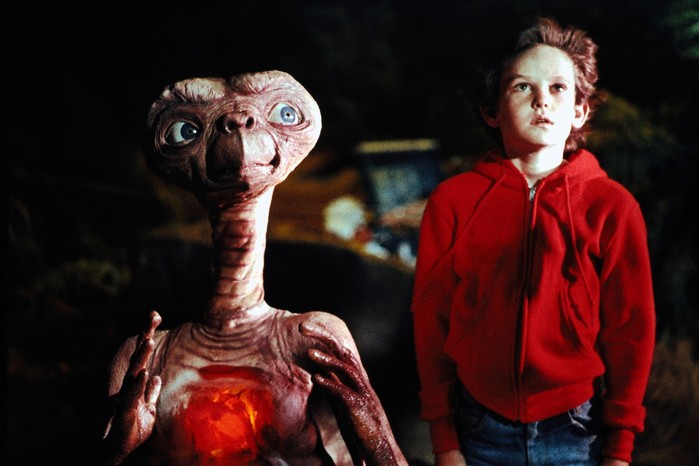
It wasn’t until 1994’s Schindler’s List that a Steven Spielberg film would win best picture, with Jaws, Raiders of the Lost Ark, ET and The Color Purple all losing out before then. Competing at the 1983 Oscars in nine categories, the universally adored ET would have been a particularly heartwarming winner, and it certainly won at the box office, becoming the highest-grossing film of all time when it shot past Star Wars.
That year’s eventual best picture winner, Gandhi, tells an inspiring and important story and contains Ben Kingsley’s breakthrough, but its cinematic legacy simply can’t compare. A superb example of Spielberg’s gift for pure movie magic, ET changed the complexion of ’80s filmmaking, has enjoyed three re-releases, and is still a firm family favourite, while its influence continues to be felt in the extraordinary success of Stranger Things.
23) The Manchurian Candidate (1962)
What won: Lawrence of Arabia
David Lean’s sweeping TE Lawrence biopic Lawrence of Arabia was like a juggernaut at the 35th Academy Awards, picking up seven prizes in 1963, including best picture, with its success eclipsing that of another unforgettable Oscar nominee.
Only in the mix for best supporting actress (for Angela Lansbury’s wonderfully wicked turn) and best editing, John Frankenheimer’s The Manchurian Candidate is an emotionally devastating adaption of Richard Condon’s book, an imaginatively executed portrait of political tensions and paranoia, which only got the green light from United Artists after the filmmakers secured ‘ol’ blue eyes’ Frank Sinatra for its lead. Released in the midst of the Cuban Missile Crisis, the film incomparably captures the concerns of the time, while remaining distressingly relevant.
22) The Searchers (1956)
What won: Around the World in 80 Days
It’s one of the great Oscar scandals that The Searchers didn’t compete in a single category at the 29th ceremony, which took place in 1957. Named as the best American western by the American Film Institute in 2008 and regularly appearing on lists of the greatest films of all time, it has come to be considered as director John Ford and star John Wayne’s finest hour.
There are some unpalatable elements to the story, but The Searchers features some of the most iconic imagery ever captured on celluloid. The total lack of recognition was compounded by the fact that the winner of best picture that year was the shamelessly frivolous globe-trotting extravaganza Around the World in 80 Days.
21) Nashville (1975)
What won: One Flew Over the Cuckoo’s Nest
You have to pity the Academy voters in 1976 who had to choose between the likes of Miloš Forman’s One Flew Over the Cuckoo’s Nest, Steven Spielberg’s Jaws and Robert Altman’s Nashville, eventually awarding the former best picture. Spielberg’s time would come, but Altman’s never did; despite helming the likes of M*A*S*H, McCabe & Mrs Miller, The Long Goodbye, Short Cuts and The Player, he failed to take home a best director prize before his death in 2006, nor did any of his films ever win best picture.
Altman’s sprawling and satirical music industry comedy Nashville might just be his crowning glory and it really should have been the winner. Its scale, insight and ambition remain breathtaking today, as Altman deftly juggles multiple storylines and musical numbers and finds room for a vast ensemble, including an Oscar-nominated Ronee Blakley and Lily Tomlin.
20) Double Indemnity (1944)
What won: Going My Way
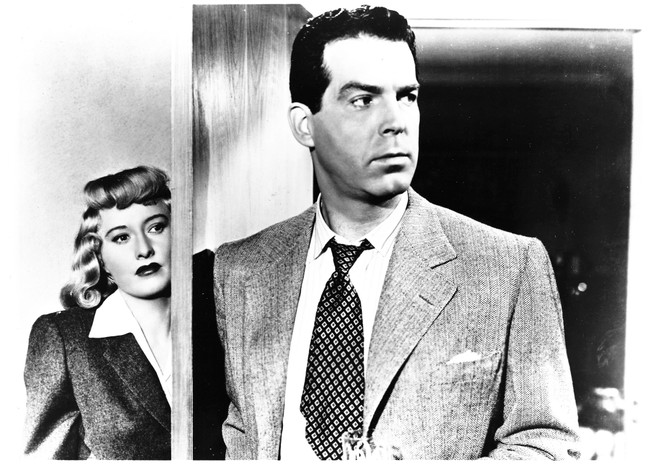
Boasting oodles of visual and narrative swagger, Double Indemnity is one of the quintessential American film noirs. Writer-director Billy Wilder adapted the James M Cain novel, collaborating with no less than Raymond Chandler on the script. He cast Barbara Stanwyck and Fred MacMurray against type (as a femme fatale and the sucker she toys with), and drafted the legendary Edward G Robinson in as support.
The results were sensational but, despite being nominated for seven Oscars, Double Indemnity walked away with none. As Kevin Lally writes in his book Wilder Times, in 1945 Paramount encouraged its employees to vote for its current hit, the schmalzy Going My Way, which was still in cinemas. As that film’s director/producer Leo McCarey got up to collect the trophy for best picture, Wilder stuck his foot into the aisle and tripped him. The Academy would make good the following year when Wilder’s uncompromising portrait of alcoholism, The Lost Weekend, nabbed four trophies, including best picture.
19) Star Wars (1977)
What won: Annie Hall
Although Woody Allen is a deeply problematic figure for many viewers, it’s hard to deny the brilliance of Annie Hall, especially given the presence of the divine Diane Keaton. The film’s romantic introspection and fizzing comedy would bag it the best picture prize in 1978, beating George Lucas’s Star Wars.
Triumphing in the technical prizes, Star Wars would walk away with more awards that year (six to Annie Hall’s four), having already become the highest-grossing film of all time. It’s not exactly lacking in cinematic charm itself and managed to spawn eight sequels and prequels plus numerous spin-off movies and series, becoming a worldwide cultural phenomenon along the way. Based on that, it blows poor Annie Hall out of the galaxy.
18) Taxi Driver (1976)
What won: Rocky
1977 was one of those Oscar years in which ‘feel-good’ floored the competition, with Sylvester Stallone’s low-budget scrapper, Rocky, getting its mitts on the best picture belt, alongside two other prizes. This boxing fairytale’s triumph was at the expense of the likes of All the President’s Men, Network and, perhaps most egregiously, Taxi Driver.
Rocky was a likeable winner, yet it hardly compares to Martin Scorsese’s masterpiece, which tracks the mental deterioration of Robert De Niro’s cabbie Travis Bickle, and also contains the breakthrough of one Jodie Foster, controversially playing a child prostitute. Amazingly, Taxi Driver went home empty handed from the 49th Academy Awards, with not even De Niro recognised for his iconic anti-hero.
17) LA Confidential (1997)
What won: Titanic
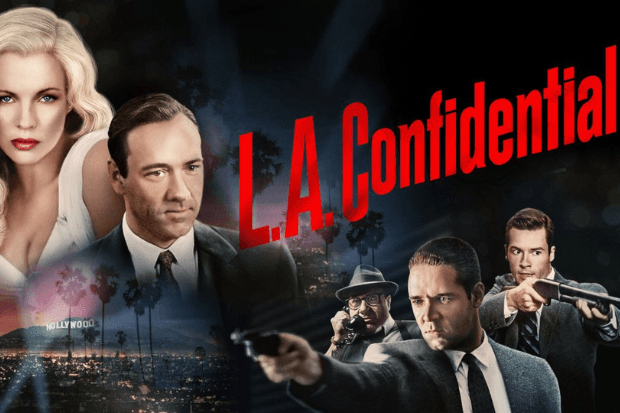
The winner of a record-equalling 11 Oscars in 1998, including best picture, James Cameron’s Titanic was showstopping in its spectacle and one hell of a technical triumph, becoming the first film to hit a billion dollars at the box office. Yet its actors were saddled with the soggiest of scripts, leaving them struggling at sea in more than one sense.
Immaculate neo-noir LA Confidential, from director Curtis Hanson, would have been a worthier winner of the Academy’s top prize. Superbly scripted and performed (it picked up prizes for best adapted screenplay, as well as best supporting actress for Kim Basinger), this glossy production based on James Ellroy’s book apes Hollywood’s Golden Age with its meaty, Los Angeles-set story of police corruption and prostitution, while weaving in a thrillingly modern sensibility. It’s one of just four films ever to scoop the top prize at the ‘Big Four’ critics’ awards.
16) It’s a Wonderful Life (1946)
What won: The Best Years of Our Lives
Telling the touching story of Jimmy Stewart’s struggling George Bailey, Christmas classic It’s a Wonderful Life has evolved into such a cherished part of the festive season that there can be few films that are thought of as fondly. Nonetheless, it wasn’t always the case, as Frank Capra’s most famous feature was a box office flop, which received mixed notices from critics, and only gained widespread appreciation when it became a TV staple after its copyright lapsed.
It was, however, nominated for five Oscars, including best picture, but lost out on the lot. The big winner in 1947 was William Wyler’s hugely popular The Best Years of Our Lives, which follows a trio of US servicemen returning from World War II. It’s a fine film itself, though it’s hard to compete with Capra’s magic.
15) Goodfellas (1990)
What won: Dances with Wolves
The passion project of its star Kevin Costner, who also directed and produced it, Dances with Wolves had many admirers, but this revisionist western also had its vociferous detractors. Amongst them was the great Pauline Kael, who described it as having been made by a “bland megalomaniac”, adding, “The Indians should have named him Plays with Camera.”
Costner and co cleaned up at the Oscars in 1991, with the film winning seven awards, including best picture, but it should have gone to Goodfellas, Martin Scorsese’s monumental and compulsively watchable gangster flick. Despite the film’s six nominations, only Joe Pesci would receive a trophy for his incendiary supporting turn. It would have been some consolation to Scorsese that Goodfellas dominated the US critics’ awards, while it also took five BAFTAs back to America that year, including its top prize.
14) Dr Strangelove or: How I Learned to Stop Worrying and Love the Bomb (1964)
What won: My Fair Lady
Although considered to be one of the great American auteurs, Stanley Kubrick’s only Academy Award win was in 1969 for 2001: A Space Odyssey’s special effects. His quadruple-nominated Cold War satire Dr Strangelove going home empty handed in 1965 was perhaps the most outrageous example of the director missing out.
In contention for best picture but losing to George Cukor’s lavish musical My Fair Lady (the far safer option), the hilariously scathing Dr Strangelove was an example of a film that was simply too political, and critical, to win. Its ridiculing of the Pentagon would have been anathema to the Academy’s patriots, but this brilliant film spoke volumes about where America was at the time.
13) Cabaret (1972)
What won: The Godfather
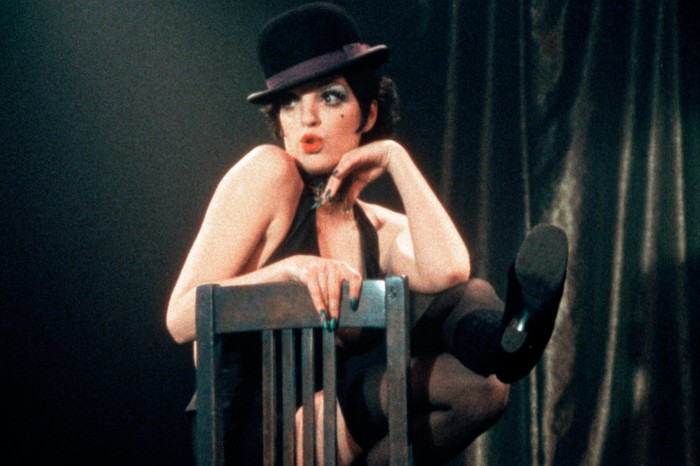
Still credited with the record for most Oscars received without winning best picture, Cabaret picked up eight trophies at the 45th Academy Awards in 1973, making it the night’s big winner. And yet it wouldn’t feel like it, when Francis Ford Coppola’s The Godfather took home the top trophy of the night. Described by The Guardian’s David Benedict as “the musical for people who hate them”, this thrillingly transgressive film pits sexual liberation and artistic freedom against rising fascism in 1930s Berlin.
Cabaret placed at number five on the American Film Institute’s Greatest Movie Musicals in 2006, and is considered a landmark in queer cinema. If you’re going to lose to something, you could do a hell of a lot worse than The Godfather, but it seems unjust to hand Cabaret almost every other major award and then say it isn’t the year’s best film. Looking at it through a modern lens, Cabaret certainly speaks more powerfully to our current political climate.
12) Singin’ in the Rain (1952)
What won: The Greatest Show on Earth
Considered by many to be the greatest movie musical of all time (including the American Film Institute), Singin’ in the Rain took its time to be recognised for what it is: one of the most joyous films in the history of cinema. It’s also one of the finest, funniest movies about the medium itself, as it takes aim at the transition from silent films to talkies.
Although enthusiastically reviewed by critics, it was only a modest box office success and received just two nods at the 25th Academy Awards ceremony, for its score and Jean Hagen’s hilarious supporting performance, with its co-director/choreographer/star Gene Kelly going totally unrecognised. 1953’s best picture battle in the end was between Fred Zinneman’s nail-biting High Noon and Cecil B DeMille’s melodramatic The Greatest Show on Earth, with the latter winning out.
11) There Will Be Blood (2007)
What won: No Country for Old Men
The much-nominated filmmaker Paul Thomas Anderson was merely an observer at many a recent Oscar ceremony, until One Battle After Another changed that in 2026. At the 80th Academy Awards, his modern masterpiece There Will Be Blood duked it out with the Coen Brothers’ also excellent No Country for Old Men, with both films nominated for eight awards.
The Coens emerged victorious, with four prizes, including best picture, while There Will Be Blood had to make do with just two, for Daniel Day-Lewis’s ferocious turn as an uncompromising oilman, and best cinematography. However, for many, it is There Will Be Blood that has lingered indelibly in the memory, with Gawker declaring that it had “won the decade” by topping so many critics’ ‘best of the noughties’ lists.
10) Mulholland Drive (2001)
What won: A Beautiful Mind
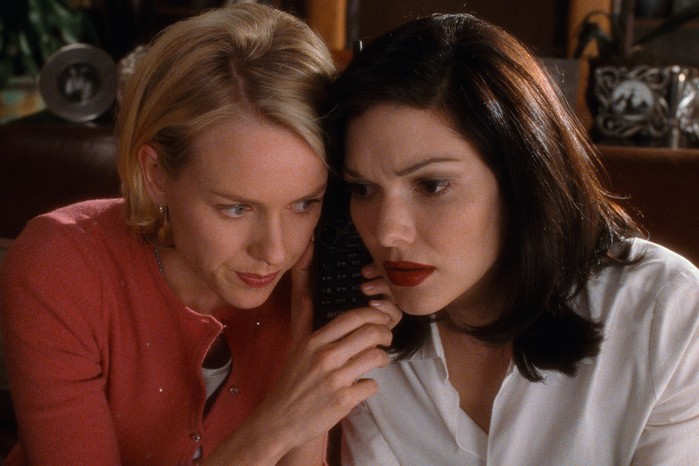
Winning an Oscar was always going to be a stretch for the incomparably idiosyncratic filmmaker David Lynch, though he did receive three nominations for best director before his death in 2025. One of those was for his mesmerising neo-noir Mulholland Drive, considered by many to be his masterpiece, and named “best film of the 21st century” in a 2016 critics’ poll for BBC Culture.
Dreamlike and daringly enigmatic, it’s a film that was never going to win over the so-often conservative Academy (especially pre its 2015 efforts to diversify its membership), but it’s particularly galling that 2002’s best picture winner was a film as mediocre and crassly manipulative as Ron Howard’s John Nash biopic, A Beautiful Mind.
9) Do the Right Thing (1989)
What won: Driving Miss Daisy
In 1990, sentimental race-relations drama Driving Miss Daisy won best picture at the 62nd Academy Awards. It would have been a dull-as-dishwater choice in any year, but in the year of Do the Right Thing – which had its own more savvy and confronting take on race-relations – it was a disaster.
Though it was nominated for two awards (for Danny Aiello’s supporting performance and its script), Spike Lee’s trailblazing third film failed to feature amongst the best picture nominees, an omission that was called out during the ceremony by Kim Basinger, when she boldly went off script during a presentation.
Lee gave a characteristically frank take on the debacle in a 2015 interview with the Daily Beast, saying, “That film is not being taught in film schools all across the world like Do the Right Thing is. Nobody’s discussing Driving Miss motherf**kin’ Daisy.”
8) Chinatown (1974)
What won: The Godfather Part II
Directed by Roman Polanski, Chinatown would have been a dead cert for best picture in almost any other year. Nominated for an impressive 11 awards in 1975 (including for the performances of its stars Jack Nicholson and Faye Dunaway, two of the brightest of the era), in the end it would walk away with just one, for Robert Towne’s screenplay.
Unluckily, Chinatown came up against a film that could match its magnificence – or, in the Academy’s view, surpass it – the superlative sequel The Godfather II, which bagged best picture, along with five other awards. Ranked second in the American Film Institute’s top ten mysteries, and with its classic status now well-established, Chinatown is an unforgettable mash-up of Old and New Hollywood, a furiously compelling story of the abuse of power and people.
7) Raging Bull (1980)
What won: Ordinary People
At the 53rd Academy Awards, Robert De Niro picked up best actor in recognition of his extraordinary transformation into boxer Jake LaMotta in Martin Scorsese’s Raging Bull, while Thelma Schoonmaker won for her editing of the film. Yet, overall, Raging Bull was under-recognised, having been nominated for eight.
This aptly titled film really takes the titular beast by the horns in its approach to violence and down-and-dirty characterisation, with some Academy members finding Scorsese’s full-on approach distasteful (he wouldn’t win the best director prize until 2007 when he picked it up for The Departed, which also won best picture).
The recipient of best picture in 1981 was Robert Redford’s respectable Ordinary People, a domestic drama focusing on the troubles of a wealthy family that’s a far more forgettable film.
6) The Exorcist (1973)
What won: The Sting
The 1974 awards ceremony was enlivened by a streaker, but the bigger scandal that year was the Academy plumping for the formulaic over the fearsome, when The Sting beat The Exorcist to best picture. Following on from its extraordinary box office success, The Exorcist was the first horror film to be nominated for the top prize, and it shared the same number of nominations as its rival (10), yet it walked away with a mere two (for William Peter Blatty’s screenplay and best sound).
Blatty, for one, was not having it, fuming to The Hollywood Reporter that it was a “disgrace” that The Exorcist didn’t receive more awards and accusing George Cukor of campaigning against his film. Although Blatty’s words are amusingly ungracious, especially given his own win, he had a point that a film of such singular power, which had scared the wits out of America and beyond, deserved a lot more credit.
5) Pulp Fiction (1994)
What won: Forrest Gump
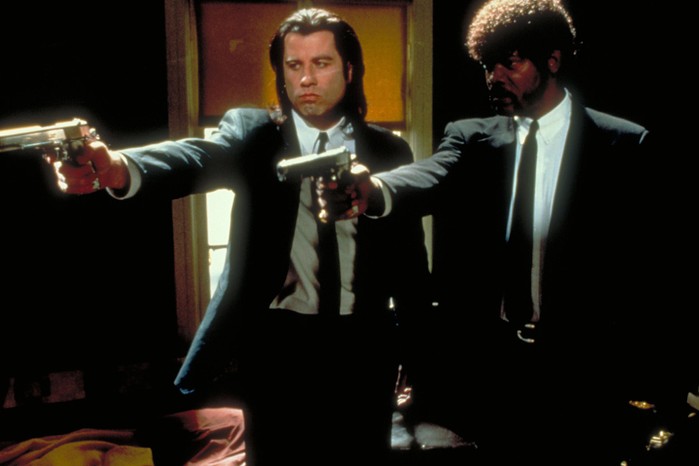
It’s the gulf in cool that makes this one so galling. Depending on your perspective, 1995’s best picture winner, the Robert Zemeckis-directed Forrest Gump, is either wonderfully whimsical or unbearably naff, and it doesn’t help its credibility that it’s been embraced by American conservatives. Pulp Fiction, on the other hand – which would pick up just one Oscar (for its screenplay) to Forrest Gump’s six – was like an adrenaline shot to the heart of American film.
Its cinephile director Quentin Tarantino combined knowing nostalgia with boundary pushing bravado and a side order of blood splatter, resurrecting the career of star John Travolta in the process. While Forrest Gump is frequently parodied, Pulp Fiction grew in stature, becoming a cultural phenomenon, spawning significant success for Tarantino, and proving hugely influential.
4) Apocalypse Now (1979)
What won: Kramer vs Kramer
It might have been widely anticipated, but the Academy got it spectacularly wrong in 1980, awarding best picture to Robert Benton’s divorce drama, Kramer vs Kramer, which pitted Dustin Hoffman against rising star Meryl Streep. It’s a powerfully performed film that undoubtedly tugs hard on the heartstrings, but which now plays like a glorified TV movie that you might enjoy on a Sunday afternoon.
Francis Ford Coppola’s hallucinatory Vietnam War flick Apocalypse Now, by contrast, was and is pure cinema. Although some critics were uncertain at the time (not Roger Ebert, who recognised its brilliance instantly), Apocalypse Now picked up the Cannes Film Festival’s Palme d’Or in 1979. Ultimately, its eight Oscar nominations translated into only two wins (for cinematography and sound).
However, the film’s indelible imagery and incomparable intensity have made it a staple of greatest films ever lists – the American Film Institute, for example, ranked it 30 on its most recent 100 Years…100 Movies. Kramer vs Kramer does not feature.
3) City Lights (1931)
What won: Cimarron
A famous early Oscars omission which looks more misjudged with every passing year is Charlie Chaplin’s City Lights. Now a widely recognised classic, it received zero nominations at the 4th Academy Awards in 1931 (incidentally, Chaplin would only receive one competitive Oscar, for Limelight’s score in 1973, awarded two decades after the film was originally released).
City Lights may well be Chaplin’s finest film, containing as it does one of the most celebrated scenes in cinema, which sees Chaplin’s Little Tramp recognised by the formerly blind flower girl, whose sight he has helped restore. The winner of best picture that year was Cimarron, a largely forgotten, actually pretty offensive western.
2) Citizen Kane (1941)
What won: How Green Was My Valley
As sibling rivals Joan Fontaine and Olivia de Havilland scrapped it out for best actress at the 14th Academy Awards (Fontaine would win for Suspicion), future classic Citizen Kane got robbed when John Ford’s well-admired but unexceptional Welsh mining drama How Green Was My Valley made off with five awards, including best picture.
Orson Welles’s daring and accomplished debut would only bag him the best original screenplay prize in 1942, shared with co-writer Herman J Mankiewicz. Given a new lease of life when it was championed by the Cahiers du Cinéma critics in the 50s, Citizen Kane would go on to top numerous critics’ lists, including standing for five decades at the top of the British Film Institute’s Sight and Sound decennial poll, and twice topping the American Film Institute’s prestigious 100 Years… 100 Movies.
1) Vertigo (1958)
What won: Gigi
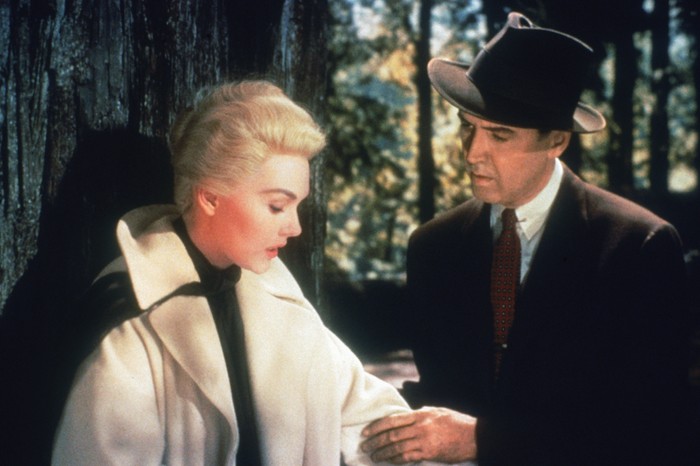
If you ever want to argue that Oscar success doesn’t mean a damn thing, then it’s helpful to remember that in 1959 Vertigo was up for just two paltry prizes (sound and art direction – it won neither). Considered Alfred Hitchcock’s magnum opus, in a career full of classics, it’s a seductive and brilliantly sly thriller that subversively shifts its perspective from Jimmy Stewart’s protagonist to the object of his obsession, Kim Novak, and in 2012 it toppled the mighty Citizen Kane in Sight and Sound’s aforementioned critics’ poll.
With Vertigo not really on anyone’s radar at the 31st Academy Awards, instead it was the year in which Gigi utterly trounced the competition, winning all nine of its nominated categories and setting a record. Branded by BuzzFeed “the creepiest, most paedophilic movie ever to win best picture”, Gigi might still look gorgeous but it is certainly troubling by contemporary standards. As Vertigo has risen up the ranks of the all-time greats, Gigi has spectacularly failed to stand the test of time.
Check out more of our Film coverage or visit our TV Guide and Streaming Guide to find out what’s on. For more TV recommendations and reviews, listen to The Radio Times Podcast.