This post was originally published on here
Let me get the ranking rule out of the way first. The best found footage horror movies here earn their spots one way only. Each one changed what the form could do. Forget the scariest title or the highest-grossing one for a moment. Rank by invention, and the canon reorganizes itself in interesting ways.
A quick content note before we go any further. One film below involved real animal cruelty on screen, and the subgenre as a whole trades in graphic violence. I will flag the worst of it as we get there.
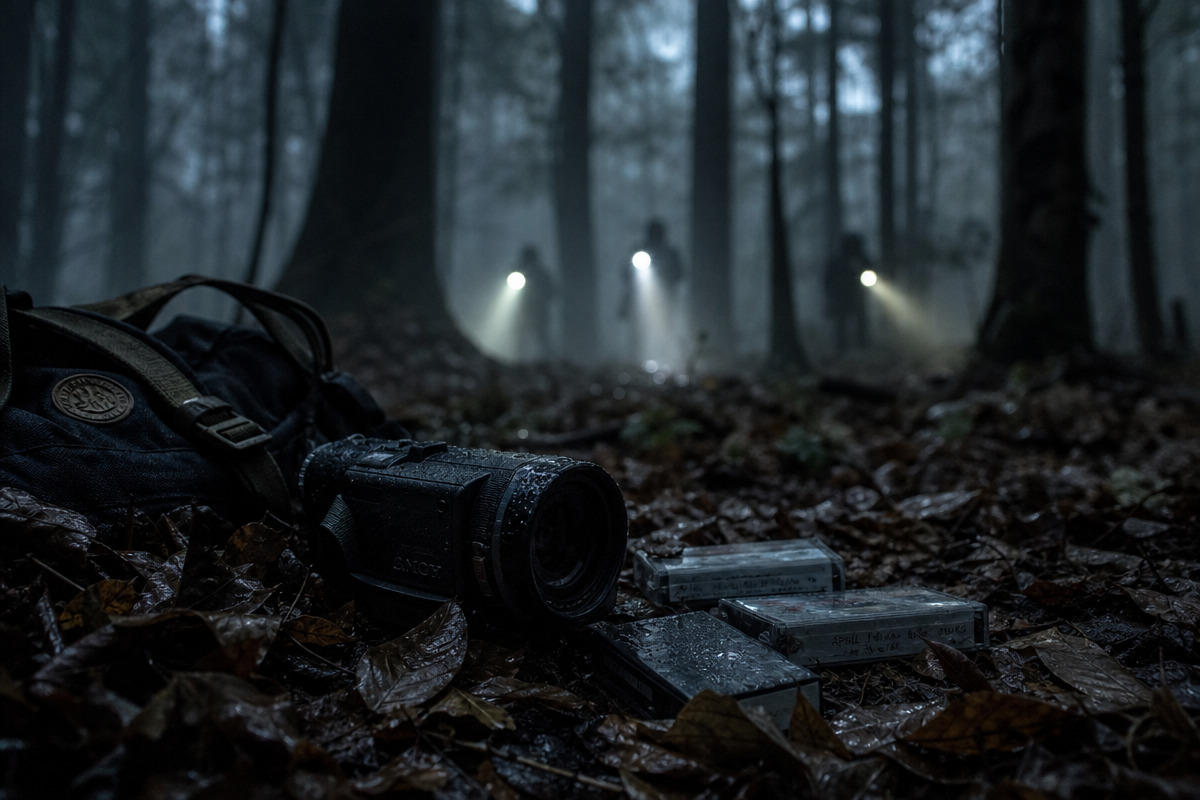
Found footage runs on a simple, brutal contract with the audience. Someone points a camera at something they should have fled, and the footage outlives them. That premise powered a huge chunk of horror in the 2010s, yet most lists still rank the jump scares. I want to rank by what each film added to the recipe. Every entry earns its spot by giving the form something it did not have before.
Where the Lens First Drew Blood
Every argument about found footage starts in 1980. According to Collider, Ruggero Deodato’s Cannibal Holocaust is cited as one of the first found footage films. It used a recovered-documentary conceit to blur fiction and reality. Its real on-screen animal killings are indefensible, and I will not pretend otherwise.
What Deodato built was the genre’s moral engine. The film keeps asking who the real savage is, the jungle or the crew filming it. That question about the ethics of the gaze never left the subgenre.
The reception proved how well the trick worked. According to CBR, the film was ordered confiscated about ten days after its Milan premiere. Deodato was charged with obscenity. He then faced murder allegations, dropped only when his supposedly dead actors turned up alive. People believed the footage was real, and that belief is the whole point.
Notice the template hiding inside that scandal. Documentarians go looking for a story, the story eats them, and the tape survives to indict everyone who watches. That skeleton holds up almost every entry on this list. Deodato did not just make a shocking film. He wrote the grammar the rest of the genre still speaks.
The Best Found Footage Horror Movies That Built the Genre
If Cannibal Holocaust loaded the gun, four films fired it. The Blair Witch Project (1999) is still the purest of them. Daniel Myrick and Eduardo Sánchez understood that absence scares harder than any monster. You never see the witch. You only watch three students come apart in the Maryland woods.
The numbers rewired the business too. According to Wikipedia, the film cost somewhere between $200,000 and $750,000 and grossed $248.6 million worldwide. That ratio changed how horror got marketed for a decade. The campaign leaned on an early website that treated the students as genuinely missing. A lot of viewers took the bait.
[REC] (2007) did the opposite and proved the form could sprint. Jaume Balagueró and Paco Plaza locked their camera inside a quarantined apartment block and never let it rest. Where Blair Witch withholds, [REC] shoves the lens into every screaming face. Both approaches work because the camera feels trapped in the dark right alongside you.
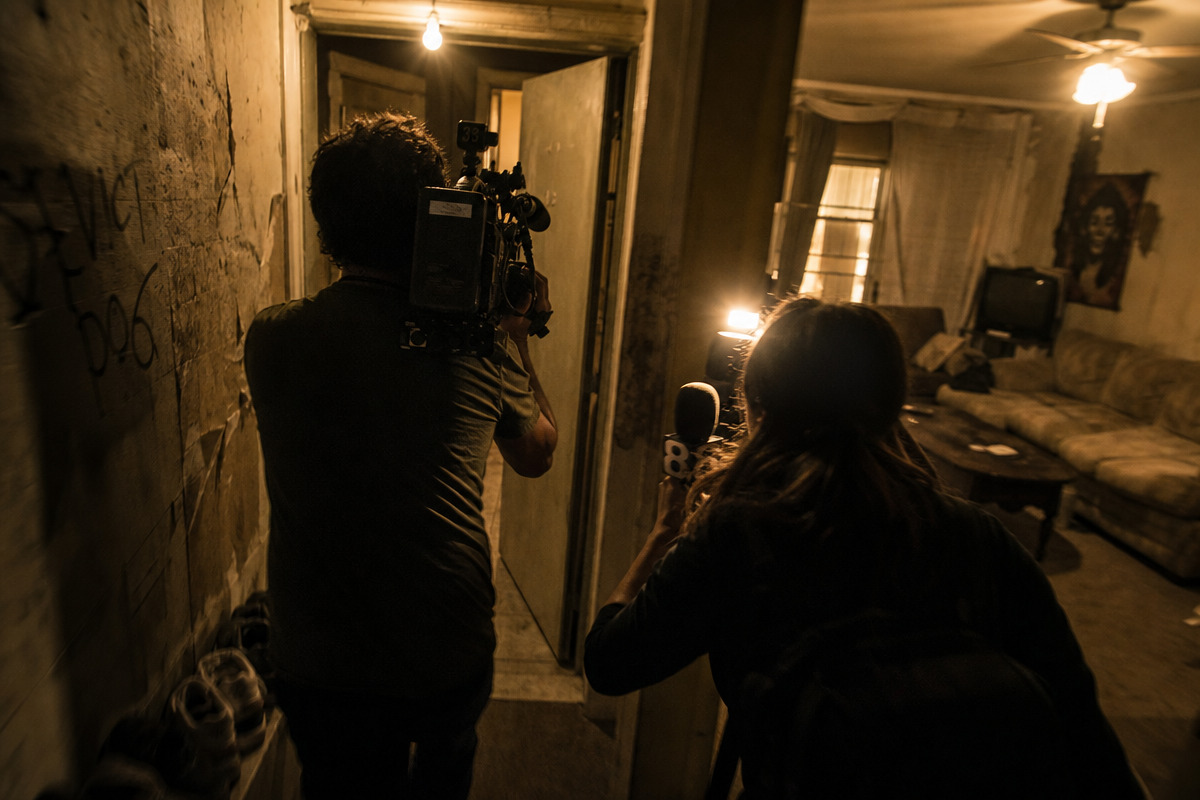
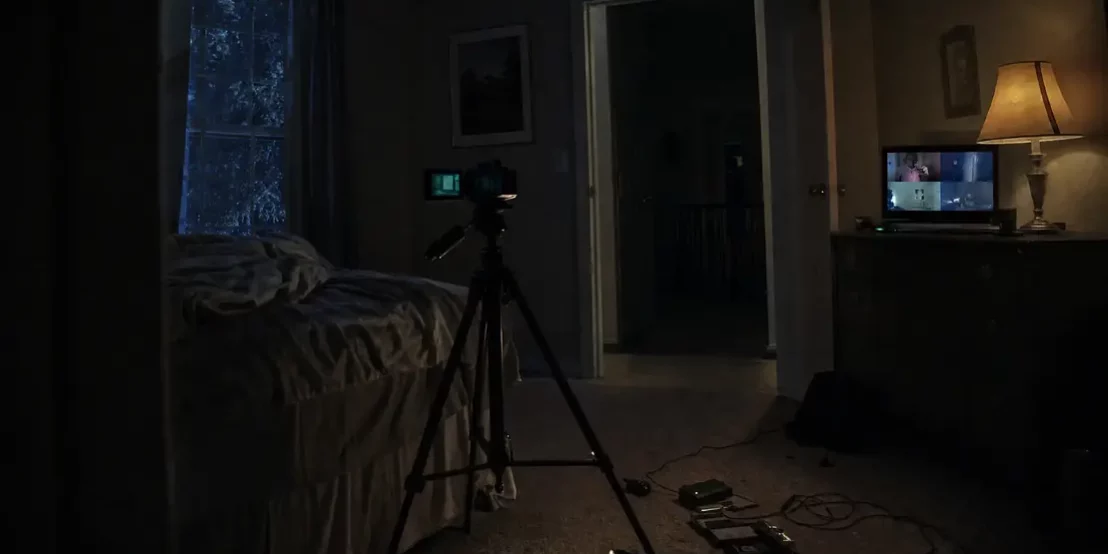
Paranormal Activity (2007) went domestic and still. Oren Peli planted a fixed camera in a bedroom and let the dread build overnight. According to Wikipedia, he shot it for $15,000. A studio-backed new ending later cost roughly $200,000. The film then grossed about $194 million worldwide. The static frame turned your own house into the haunted set.
Cloverfield (2008) scaled the whole idea to blockbuster size. Matt Reeves kept a city-leveling monster movie chained to one panicking camcorder. The 2000s horror boom gave the subgenre its commercial proof. Cloverfield showed the trick could carry a franchise budget without losing its first-person nerve.
Line those budgets up and the appeal to studios gets obvious. Blair Witch and Paranormal Activity cost less than a single day on a normal shoot. Both returned hundreds of millions. That math is why the form kept getting greenlit long after critics started rolling their eyes. Cheap fear sells, and found footage made fear cheaper than anyone else.
The Emotional Ceiling of Lake Mungo
Here is where I plant my flag. Lake Mungo (2008) is the best thing found footage has ever produced, and it barely scares you at all. Joel Anderson’s Australian pseudo-documentary follows the Palmer family after their teenage daughter Alice drowns. The talking-head interviews and grainy stills are misdirection for a story about grief.
The film uses the form’s fake-real texture to do what no jump scare can. It makes absence ache instead of pounce. Every blurry frame becomes a parent’s search for a face that is already gone. The horror comes from wanting the ghost to be real so the loss might not be.
Watch how patiently Anderson withholds. He lets you settle into one reading of the family’s haunting, then quietly pulls the floor out. Each new tape recontextualizes the last, so the format itself becomes the grief. You keep rewinding the footage because the Palmers cannot stop either.
Lake Mungo proved found footage could be a drama first and a fright machine second. That emotional reach is why the subgenre still matters. It reaches past the anthology sprawl of the V/H/S anthology. It also outlasts the festival circuit that keeps festival found footage alive.
When Everyone Has a Camera
The oldest complaint about found footage is a fair one. Why does anyone keep filming while they die? Host (2020) answered that better than any film before it. Rob Savage set his entire haunting on a Zoom call during the pandemic. Leaving the camera running was simply how we lived then.
That move is the form adapting to solve its own logic problem. The webcam and the livestream hand the camera a built-in reason to exist, no contrivance required. When Savage’s séance goes wrong, nobody has to invent an excuse to keep recording. The frame is the reality.
Deadstream (2022) pushed the same idea one step further. The Winters built their haunting around a disgraced streamer who cannot stop broadcasting, even as the house turns on him. His need for an audience is the trap. These digital films close the gap that always nagged at the genre. The camera stays on because turning it off means going dark in every sense.
Not every experiment lands. Some of the best recent scares actually work outside the found footage medium entirely. The wider indie horror scene now carries both the reinvention and the fatigue, sometimes in the same year.
Why the Camera Never Looks Away

So rank them however you like. The genre’s real power always came down to one promise: what you are watching actually happened. Cannibal Holocaust weaponized that promise. Blair Witch sold it to the world. Lake Mungo broke your heart with it. Host proved it could survive the smartphone era.
The best found footage horror movies all understand the camera as a witness. It records everything and never gets to look away. Filmmakers keep finding fresh reasons to leave it running. So the form keeps outliving the people inside the frame. That is a promise no polished studio horror can make.