This post was originally published on here
Croatia is one of those dream family destinations: easy to reach, beautifully scenic and packed with beaches, history and adventure.
But if you’ve priced it up recently, you’ll know it’s no longer the budget-friendly secret it once was – especially during the school holidays. Accommodation is often the biggest shock: with some mid-range hotels topping £300 a night in peak season, it’s not ideal for families on a budget. Food, too, can come to a lot; dinner in tourist-heavy areas can quickly climb to £25–£40 per person if you’re not careful, which adds up fast when you’re feeding a crowd.
The good news? With a bit of planning and some smart choices, it’s still absolutely possible to enjoy Croatia as a family without overspending. And that’s exactly what I set out to do when I travelled there a few years ago with my husband, Joao, our son, Leo (aged three at the time), and my adventurous parents.
We paid £1,176 for two adults and one child and found booking flights and accommodation separately was the best option, especially as we wanted to travel around. However, if convenience, rest and relaxation is at the top of your agenda, there are plenty of packages available through major tour operators such as Jet2Holidays and Tui.
While Croatia has become more expensive in recent years, it isn’t uniformly expensive – it’s just easy to spend a lot if you fall into the tourist traps. Here are some of my top tips for saving on your Croatian summer holiday.
Choose your accommodation wisely
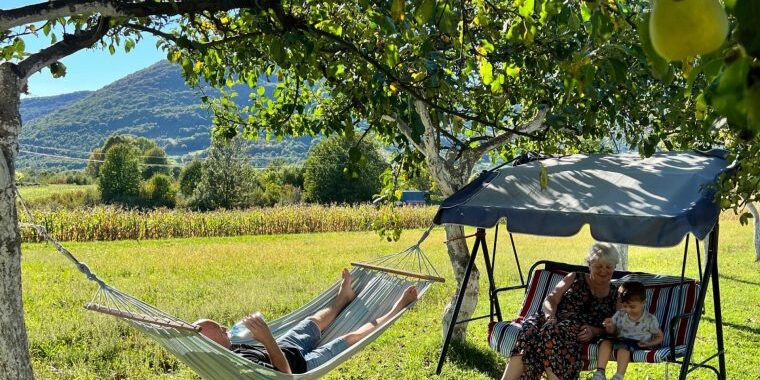
If you’re travelling with children, swapping hotels for self-catering accommodation is one of the easiest wins, whether you go for an apartment or a campsite.
Not only do you often get more space, but having a kitchen or other cooking facilities is a game changer. Even just making breakfasts and stocking up on snacks at a local supermarket can significantly cut costs, and many children are happier with familiar food anyway.
Another bonus is flexibility. Early breakfasts before a beach trip, picnics on the go, and no pressure to dine out every evening if the kids are overtired.
Hosts of holiday lets can also be great sources of local knowledge, so don’t be afraid to ask for their favourite places – they’ll usually be happy to share.
Eat like a local
Croatia’s food scene is lovely, with fresh Mediterranean flavours and a heavy Italian influence (expect plenty of “safe” pizza or pasta options for the kids) – and dining out doesn’t have to break the bank.
A few easy switches you can make include: heading a street or two back from the main squares or beach-front promenades for lower prices; looking for places with a special price lunch or dinner menus; and embracing bakeries, pizza slices and casual cafés for quick, budget-friendly meals. For families, “grab and go” lunches often work better anyway, with less waiting, less cost and more time for exploring.
Location, location, location
This might be the biggest money-saving tip of all. Dubrovnik is beautiful, yes. But it’s also one of the most expensive places in the country. Instead, consider smaller coastal towns, islands just off the main tourist trail or inland spots near national parks.
You’ll often find lower prices, fewer crowds and a much more relaxed pace, which with kids is worth its weight in gold. Even moving a short distance away from the busiest old towns can dramatically reduce costs on accommodation and food.
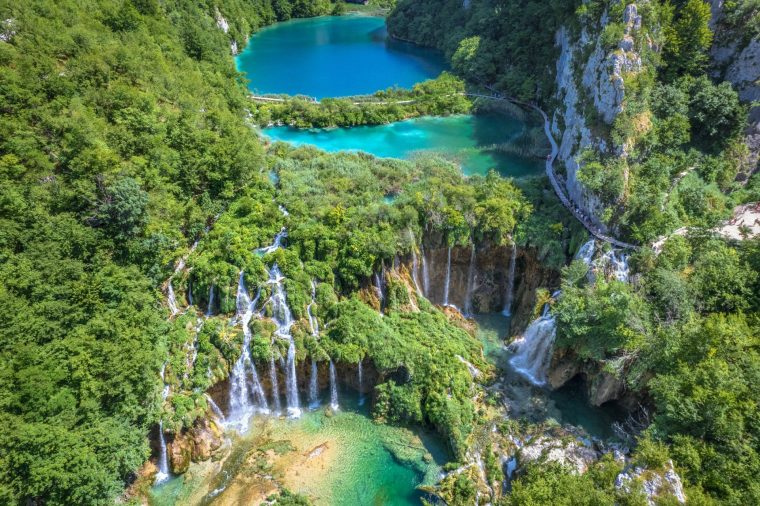
When we visited Croatia, we knew we wanted to see as much of this beautiful country as we could, so we hired a car and took a road trip. We did want to visit some of the more popular parts of Croatia so we budgeted accordingly, and sharing accommodation with my parents helped keep costs down.
Our itinerary featured three nights in Zadar, one night in Plitvice (to visit the lakes early the next morning), five nights in Split and three nights in Dubrovnik. This route offered a perfect variety of historical sights, natural wonders and beautiful beaches. Everywhere we visited was extremely child-friendly, so I wouldn’t be afraid of heading off the beaten path.
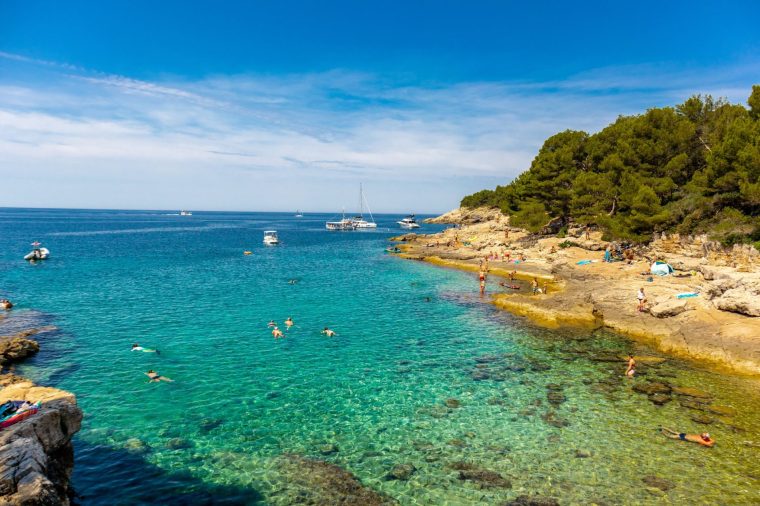
If you want to skip the busiest and most expensive spots, I’d recommend heading to the northern Istria region – particularly Pula, Poreč and Rovinj. These places capture everything that makes Croatia special, from rich history and beautiful beaches to plenty of family-friendly activities. You’ll find a range of accommodation, from campsites to all-inclusive resorts fully geared up for families.
While this is certainly not a hard and fast rule, the north can be cheaper. For instance, Jet2Holidays offers a week’s B&B in a four-star hotel in Pula, with flights, at £3,816 for a family of four, while a comparable holiday in Dubrovnik with the same operator costs £6,153. And a week at Eurocamp in Poreč is £1,062, compared to £1,665 for Šibenik, in the south (accommodation only). All prices are for a 1 August arrival.
Transport matters
Do your research and find out which city is cheapest to fly into. For example, we flew to Zadar, which worked out significantly cheaper than Dubrovnik, and we planned our road trip route around that. Even if you’re staying in one place, it’s worth checking alternative airports. A slightly longer transfer could save you a considerable amount.
This is not a Croatia-specific tip, but I never travel without the AirHelp app. It alerts me to any flight delays or cancellations and explains exactly what I’m entitled to claim – which has sometimes ended up being the full cost of the trip.
Public transport in Croatia is reliable and affordable, with buses connecting much of the coastline and ferries linking the islands. It’s a great option if you want to explore without the cost of hiring a car. That said, for families, car hire can still offer excellent value, especially if you want flexibility and convenience.
Focus on the free stuff
One of Croatia’s greatest strengths is that you don’t need to spend much to enjoy it. Some of the best family moments are free or very low cost, whether that’s beach days (and there are plenty of beaches to choose from) with swims in the clear, calm sea, wandering old towns, or evening promenade strolls with an ice cream in hand. These simple, spontaneous experiences often end up being the most memorable, especially for families.
Timing is everything
If you can travel outside peak summer holidays, do. Prices drop noticeably in May, June and September, while the weather is usually still warm enough for beach days. Fewer crowds also mean a more relaxed experience, which is especially helpful when travelling with younger children.
Jen Carr, family travel expert and founder of The Travel Mum, shares the best affordable holiday deals for families throughout the week. Her new book, Yes, You Can Travel With Kids, is available now (£14.99, DK Red).