
This post was originally published on here
Gary Oldman has one of those filmographies that makes a ranking feel slightly ridiculous. The guy can spend one movie twitching, slurring, and self-destructing, then show up years later barely moving his face and somehow make silence feel like the most important thing in the room. That range is obvious. The more interesting part is how often he lands in movies that are already doing something difficult around him.
And these four really are different beasts. Punk tragedy, political paranoia, slow-burn espionage, superhero crime drama. The fun is seeing how completely the acting style changes with the movie. Nothing feels imported from the last role. Nothing feels like “Gary Oldman doing Gary Oldman.” You just get four characters who seem to belong completely to four different worlds.
4
‘Sid and Nancy’ (1986)
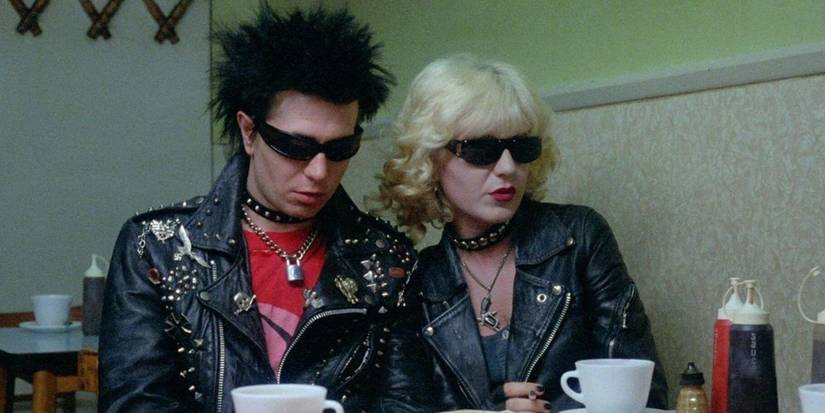
Sid Vicious (Gary Oldman) is already in bad shape when Sid and Nancy really settles into his relationship with Nancy Spungen (Chloe Webb). He is playing bass for the Sex Pistols, barely holding himself together, and drawn toward someone whose appetite for chaos matches his own. The movie follows the relationship as drugs, dependency, fame, resentment, and the collapse of the band start feeding each other. It is ugly on purpose. There is no attempt to make Sid look like some doomed romantic prince of punk.
What sticks is how childlike he can seem even while behaving horribly. Sid often looks like someone who has wandered into his own life without understanding what is expected of him. The “My Way” performance is the perfect example. He walks through a deliberately ridiculous lounge-singer setup, then the sequence explodes into violent punk fantasy and suddenly feels like Sid’s entire self-image compressed into a few minutes. That mixture of swagger vibes and helplessness is all over the film. Plenty of music biopics explain why a destructive figure was secretly brilliant. Sid and Nancy is much less comforting. Sometimes two damaged people really do make each other worse.
3
‘JFK’ (1991)
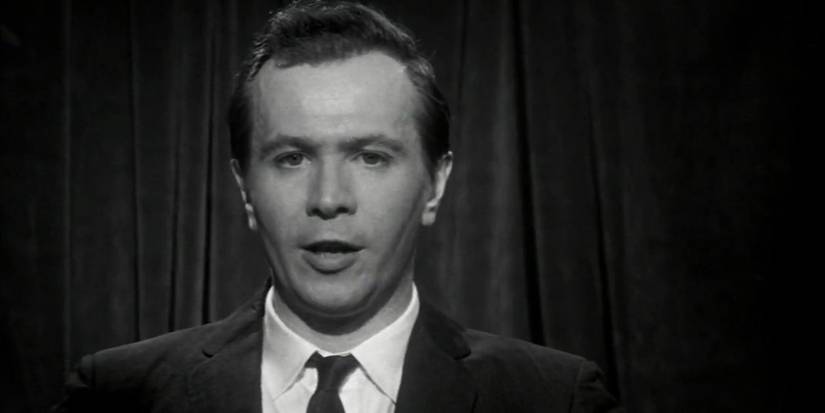
Oliver Stone’s JFK follows New Orleans district attorney Jim Garrison (Kevin Costner) as he becomes convinced that the official explanation for President John F. Kennedy’s assassination does not add up. The movie throws testimony, photographs, reenactments, government records, contradictions, and competing theories at the viewer until the investigation starts feeling less like a straight line and more like being trapped inside a filing cabinet someone kicked down a staircase.
Lee Harvey Oswald (Gary Oldman) appears throughout that confusion in fragments rather than as one neatly explained person. One witness remembers him one way, another detail suggests something else, and the movie keeps returning to the question of whether the version of Oswald history settled on can possibly contain everything that happened. That is why the role works so well inside Stone’s approach. Oswald never becomes the stable center of the mystery. He remains another disputed piece of it. The film is openly argumentative and absolutely invites disagreement, but as filmmaking it is electric. Even scenes of people examining documents feel urgent because every new detail seems capable of changing the whole picture.
2
‘Tinker Tailor Soldier Spy’ (2011)
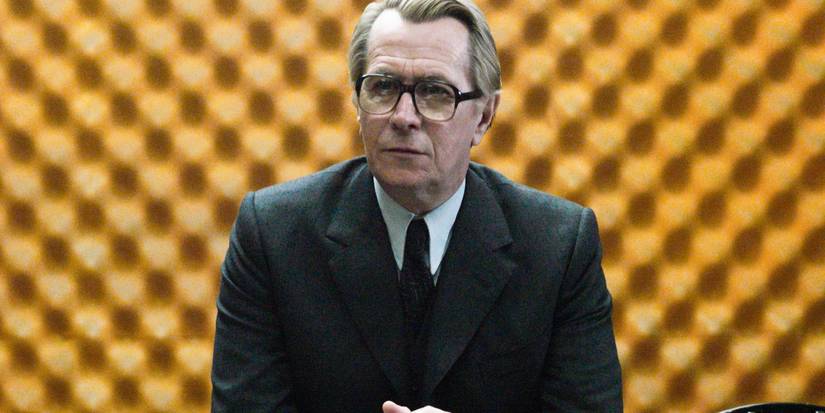
George Smiley (Gary Oldman) is pulled out of retirement after British intelligence learns that a Soviet mole may be sitting near the top of the Circus. Tinker Tailor Soldier Spy gives him the least cinematic job imaginable on paper. Listen to people. Compare old information. Notice what does not fit. Work out which man among a small group of senior intelligence officers has been lying for years.
Smiley barely raises his voice, which makes the moments when something slips through feel huge. The scene where he recounts meeting Soviet spymaster Karla is especially good because Smiley is ostensibly explaining an old intelligence failure while gradually revealing something personal about his broken marriage. He remembers offering Karla his lighter, the one engraved as a gift from Ann, and you can feel how much of Smiley’s private life has leaked into the professional world he tries to keep controlled. Even the way he watches people is specific. He does not stare them down. He waits. For a spy movie with very little conventional action, it becomes weirdly gripping once you start watching the same things Smiley watches.
1
‘The Dark Knight’ (2008)
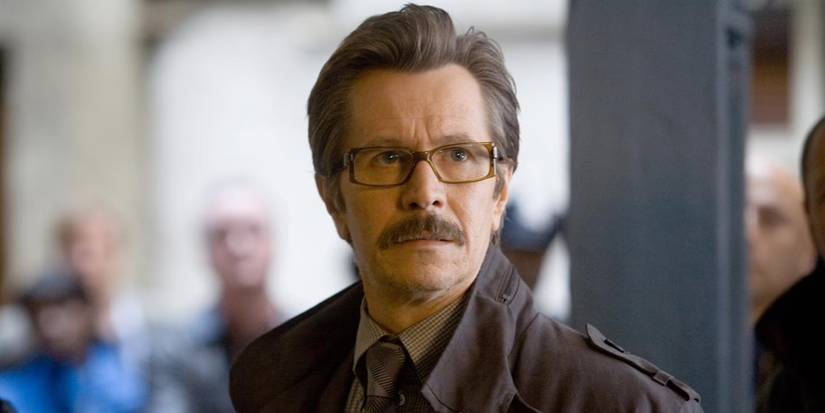
Image via Warner Bros.
Commissioner Gordon does not begin The Dark Knight as Commissioner Gordon. Jim Gordon (Gary Oldman) is still one of the few Gotham cops Batman trusts, working with Harvey Dent (Aaron Eckhart) to break organized crime while the Joker (Heath Ledger) keeps turning every victory into a new problem. Gordon spends much of the movie caught between people who operate outside normal rules and a police department where trust can get you killed.
His fake death is still one of the smartest bits of misdirection in the movie because Gordon disappears, lets everyone believe the Joker got him, then returns during the armored-truck chase and personally takes the Joker into custody. But the character gets much heavier later. Gordon has to watch Harvey collapse after Rachel’s death, then stand helplessly while Dent threatens his family and forces Batman into an impossible choice. The final scene is what seals it. Gordon understands exactly what Batman is sacrificing by taking the blame for Dent, and his explanation to his son turns a superhero ending into something genuinely sad. Oldman is surrounded by louder performances and bigger characters throughout the movie. Gordon still feels essential because he is the guy trying to keep Gotham functioning while everyone else keeps setting pieces of it on fire.