This post was originally published on here
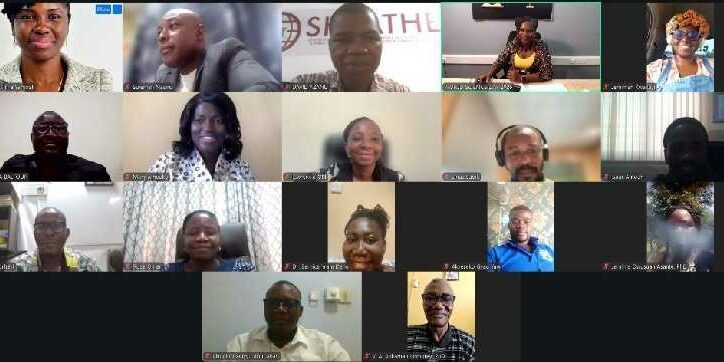
The Ghana Young Academy (GhYA) on Monday marked the 2025 World Science Day for Peace and Development with a national dialogue. The event, which was held virtually, focused on strengthening trust, peace and sustainable development through science. It was on the theme “Science for Peace and Sustainable Futures”, and brought together researchers, educators, students and policymakers as part of a week-long online campaign.
Opening the dialogue, Dr. Latifatu Mohammed, Co-Chair of the Academy, said science remained central to building resilient and peaceful societies. “Science is a catalyst for trust and sustainable development,” she said, adding that GhYA was committed to nurturing young scientists“ who champion excellence and collaboration while driving societal impact. ”
Dr. Mohammed said the Academy’s pre-event challenge demonstrated how scientific innovations shape daily life across communities. Dr. Max Paoli, Programme Coordinator at The World Academy of Sciences (TWAS), underscored the role of scientific cooperation in promoting global unity.
“Projects like the Human Genome Project show our shared human identity and the power of collaboration,” he said. He cautioned that rising inequality and declining trust in democratic institutions threatened global stability, urging African scientists to combine innovation with ethics, equity and strong public literacy.
Five Ghanaian early-career researchers presented lightning talks highlighting contributions in ethical artificial intelligence, climate resilience, nutrition, food security and plastic waste reduction. A panel discussion moderated by Dr. Antoinette Simpah Anim-Jnr examined trust in science, community-centered research and scientific literacy as essential tools for national cohesion.
Panelists Prof. Suleman Nasiru, Dr. Mary Amoako and Dr. Linus Kweku Labik
stressed the need for data transparency, strengthened local food systems and sustainable technologies. The commemoration concluded with a renewed call for strengthened scientific engagement to support informed, peaceful and resilient communities.
The GhYA expressed commitment to continously promote scientific excellence and policy influence through its network of young Ghanaian researchers.