This post was originally published on here
Australian horror has never been for the faint of heart. From the sun-scorched Outback to the dark recesses of the human psyche, the country’s filmmakers have consistently delivered nightmares that feel both viscerally frightening and profoundly unsettling. Indeed, between rooted in the isolation of the landscape, the twisted depths of real-world crime, or even the emotional fallout of personal trauma, Aussie horrors refuse to play it safe.
But when classifying the “scariest” film, it’s important to look beyond tallying jump scares. It’s about considering whether it lingers long after the credits roll—the ones that haunt your thoughts, even when you’re not sleeping. So, from classic terrors like Wake in Fright to psychological gut-punches like The Babadook, these are the nightmares that have shaped the landscape of Australian horror cinema.
9
‘Wolf Creek’ (2005)
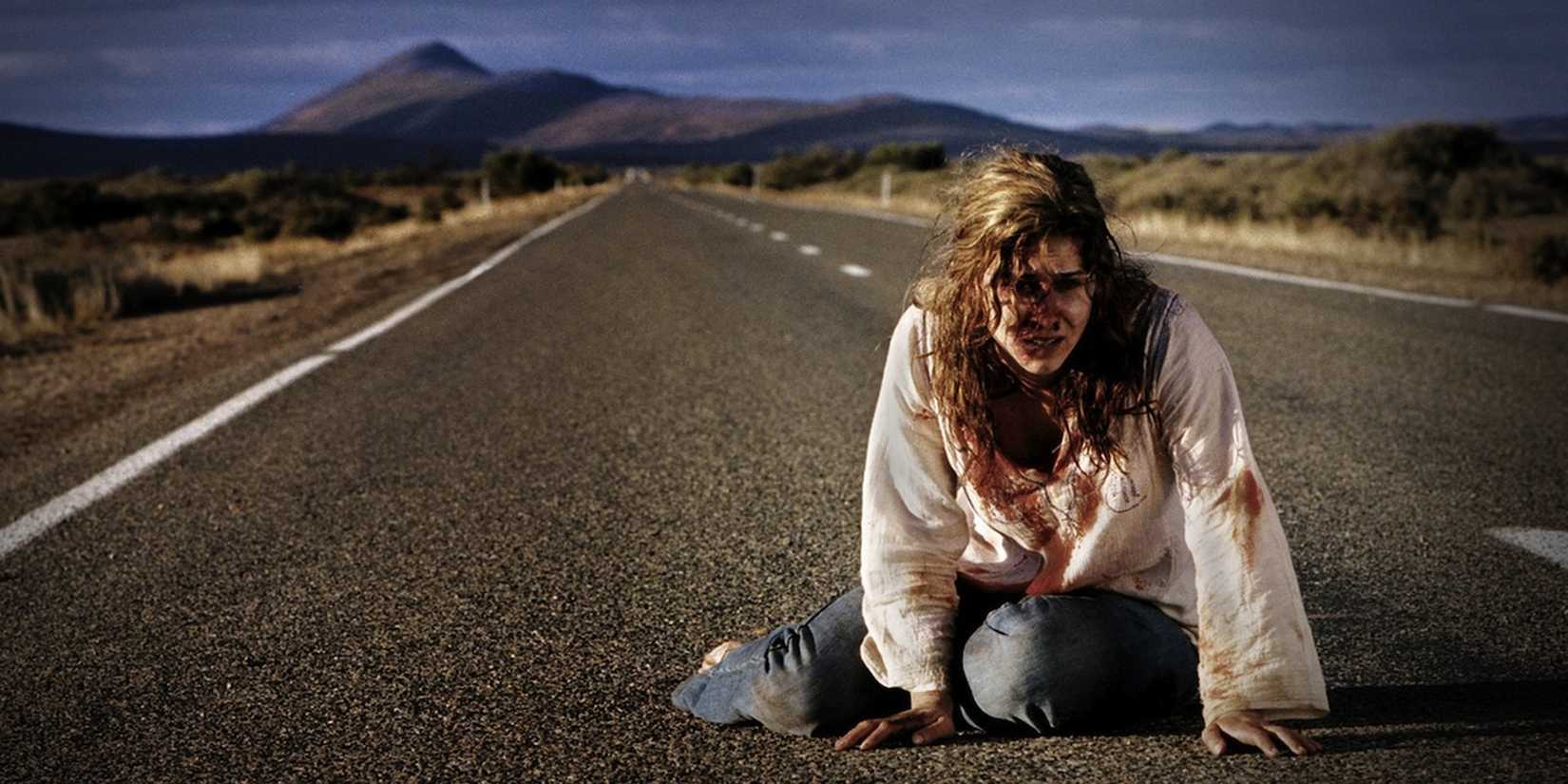
When their car suddenly breaks down along the Australian outback, three young travelers accept help from a local man named Mick Taylor (John Jarrett), who offers to tow the group back to his camp. But what begins as an act of hospitality quickly descends into something far more sinister as the man traps them in an isolated nightmare.
Some of the best Australian films are the ones that masterfully utilize (or even weaponize) the local landscape—and that’s exactly what Wolf Creek does best. Rather than freeing, the vast emptiness turns the promise of an adventure into one of inescapable dread. Jarratt’s performance is the film’s masterstroke: charming, conversational, and horrifyingly casual in his brutality. The violence is raw and unglamorous, but what lingers isn’t just the gore—it’s the sense of helplessness in a place so remote that screaming feels pointless.
8
‘Dangerous Animals’ (2025)
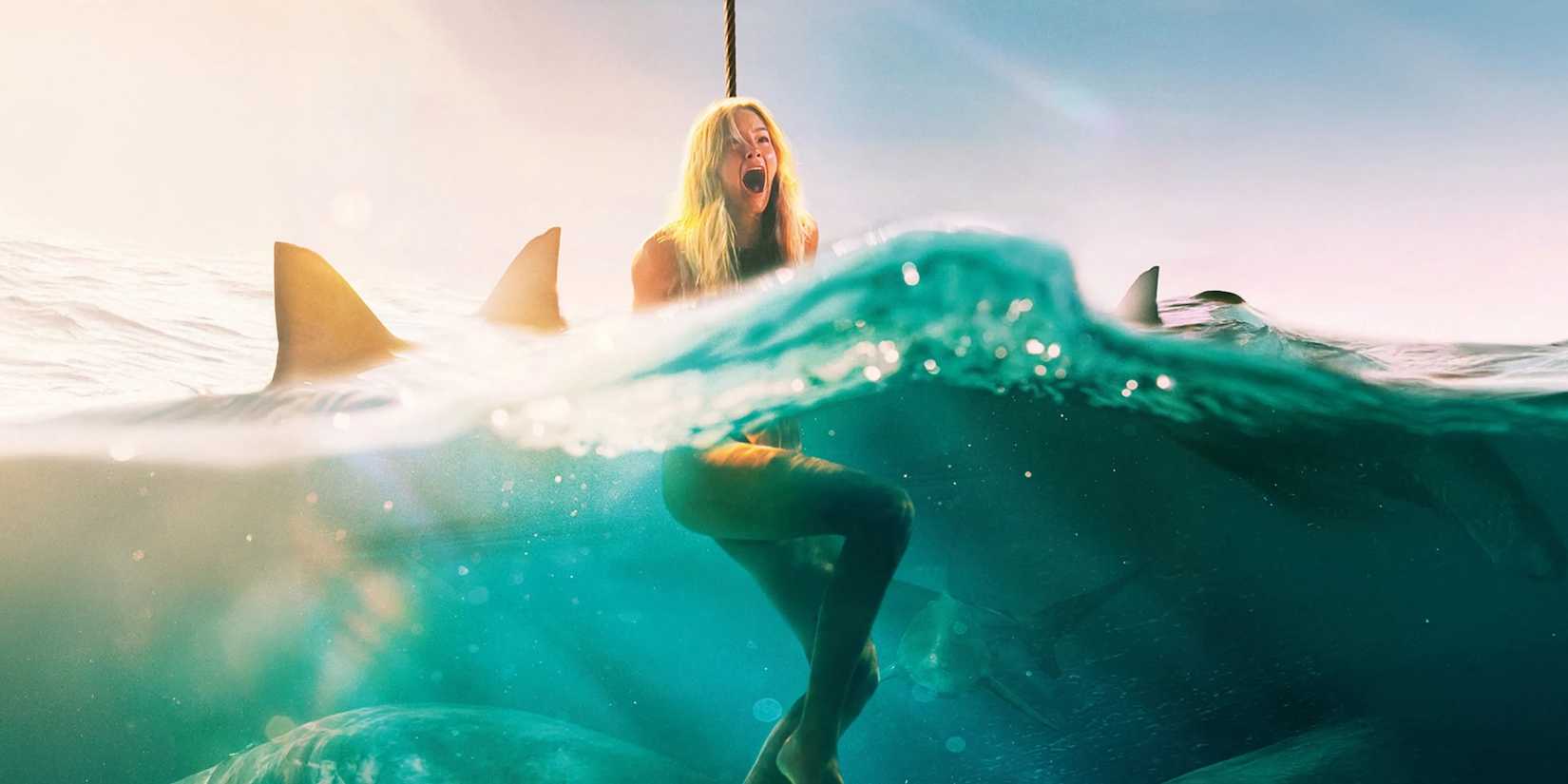
Image via IFC
In Australia, Zephyr (Hassie Harrison)—a savvy and free-spirited American surfer—is abducted by a shark-obsessed serial killer. Held captive on his boat, she must race against time and figure out how to escape before she falls victim to his ritualistic feedings.
While there are no ghosts or ghouls in this flick, Dangerous Animals still embodies a primal, survivalist horror that taps into a truly horrific “Australian” fear: being stalked by both a predatory human and the brutal ocean that has somewhat defined the nation. The premise leans heavily into psychological dread and visceral peril, making this shark thriller a fresh addition to both Australian genre cinema and shark-based horrors.
7
‘Snowtown’ (2011)
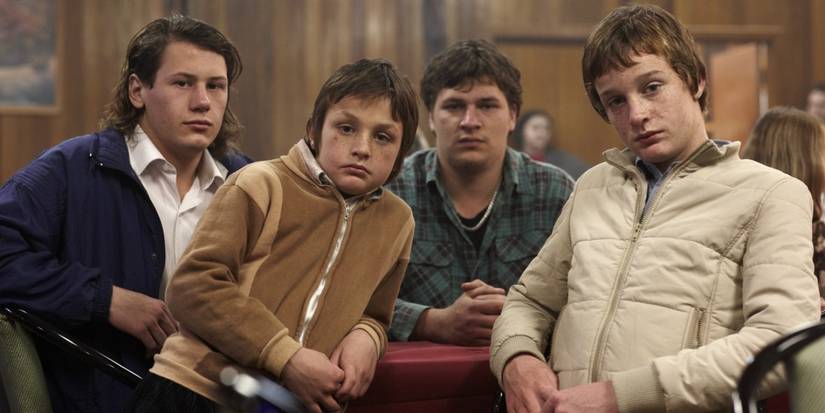
Based on a chilling true story, a charismatic but violent predator, John Bunting (Daniel Henshall), recruits loyal youths into a horrifying, vigilante-justified killing ring in Adelaide during the 1990s. One of those young men happens to be Jamie (Lucas Pittaway), the impressionable teenage son of John’s girlfriend, who finds himself both confused and misdirected by hero worship.
Unlike conventional horror, Snowtown harbors an extra layer of terror as it’s grounded in real depravity and warped psychology. Not relying on cheap gags or jump scares, its horror is the merciless examination of human evil and manipulation. Indeed, the film is a grim, unflinching look at how ordinary people can be pulled into unspeakable violence, making it one of the most disturbing and unforgettable tales of Australian cinema.
6
‘Sissy’ (2022)

Cecilia (aka Sissy) (Aisha Dee) is living her dream life as a successful influencer—that is, until she runs into her former childhood best-friend, Emma (Hannah Barlow), after a decade. Now, unexpectedly invited to Emma’s bachelorette weekend, Sissy suddenly finds herself stuck in a remote cabin with her high school bully, who also happens to be on the trip, triggering Sissy’s own taste for revenge.
There’s no doubt that Sissy blends slasher thrills with incisive commentary on friendship, identity, and the struggles of growing up. The violence is stylized yet savage, and the characters weaponize trauma and curated personas against each other, elevating its unsettling nature to a thousand. It’s clever, creepy, and distinctly Australian—in that fresh modern way that allows an evolution to the genre.
5
‘Next of Kin’ (1982)
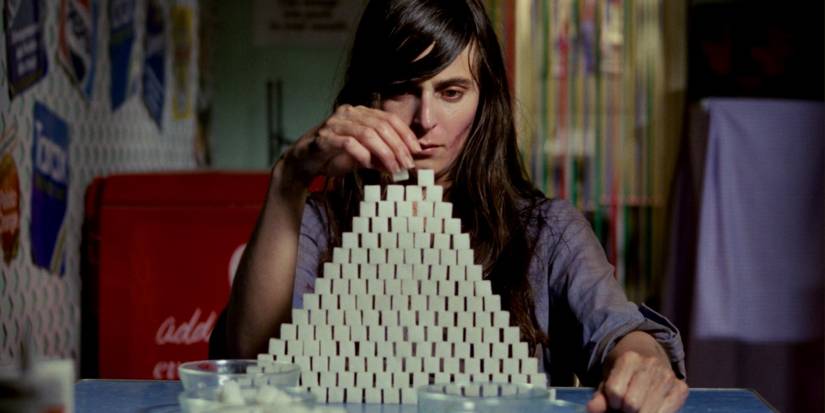
Image via Roadshow Film Distributors
When Linda (Jacki Kerin) inherits her estranged mother’s secluded nursing home, she arrives expecting paperwork and renovation plans. Instead, she discovers her mother’s old diaries and a creeping sense that something is deeply wrong within the facility she now owns—especially since strange incidents begin to occur.
Unlike traditional slashers or supernatural shocks, Next of Kin chills by rooting its terror in the unnatural distortions of familiar relationships and rural isolation. Its slow, creeping unease—complemented by sudden bursts of violence and psychological twists—showcases how Australian horror can be frightening without relying on monsters, instead leaning on the terror that emerges when one’s environment and family become a threat.
4
‘Killing Ground’ (2016)
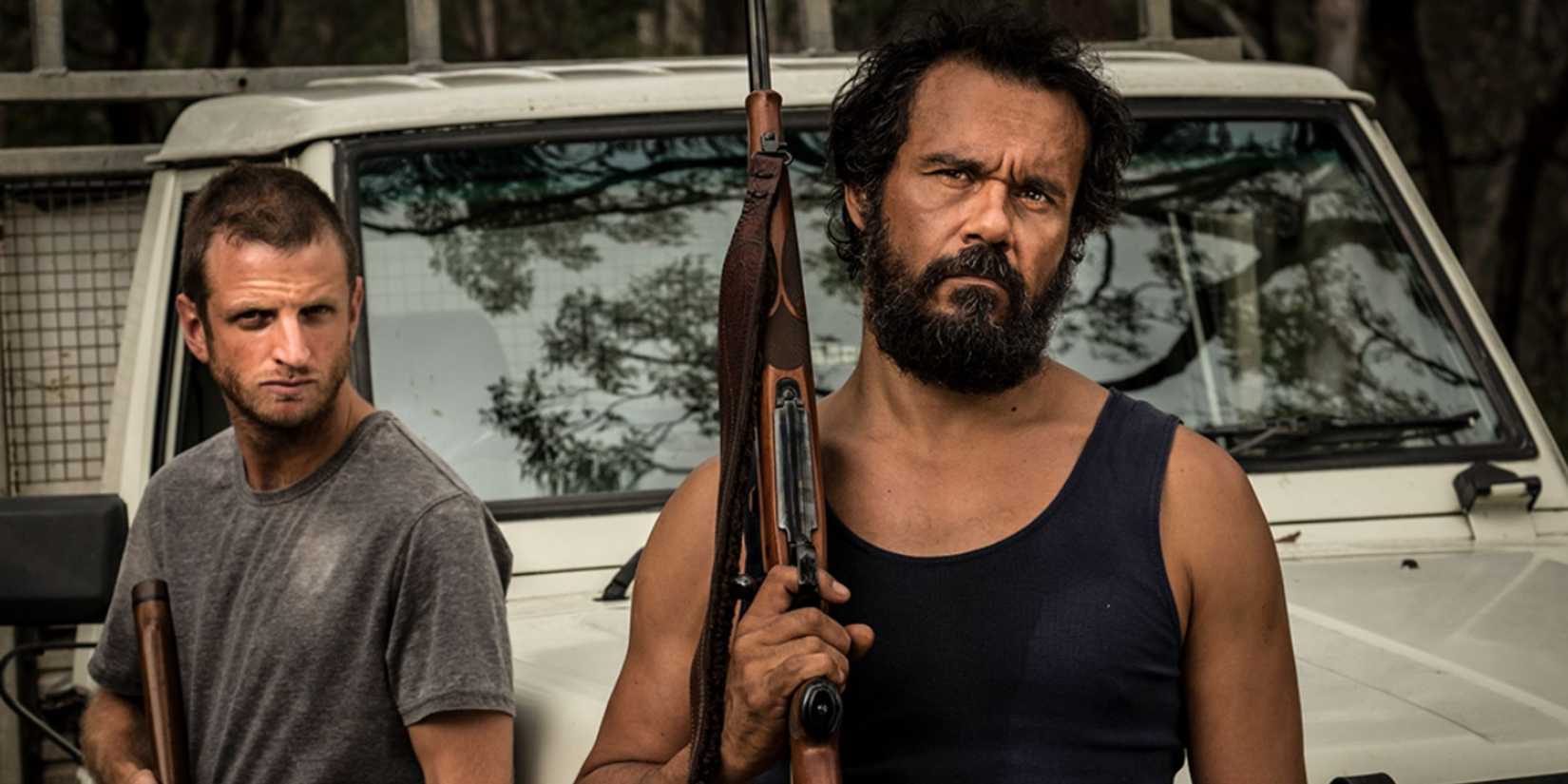
A young couple embarking on a romantic camping trip stumble upon a horrific crime at an abandoned campsite, deep in the bush. But just as they determine that something terrible has in fact happened, they soon find themselves targeted by violent locals—turning their peaceful retreat into a merciless fight for survival.
What sets Killing Ground apart is its relentless tension and disturbing realism: there’s no creature nor supernatural force here, just humans at their most brutal. The film’s non-linear structure heightens anxiety and keeps every revelation unpredictable, as mundane beginnings spiral into unimaginable terror. It’s thrilling (and also terrifying) to have horror experiences that make audiences feel hunted and unprotected. Luckily, this film does both, allowing the horror to linger long after the credits roll.
3
‘The Babadook’ (2014)
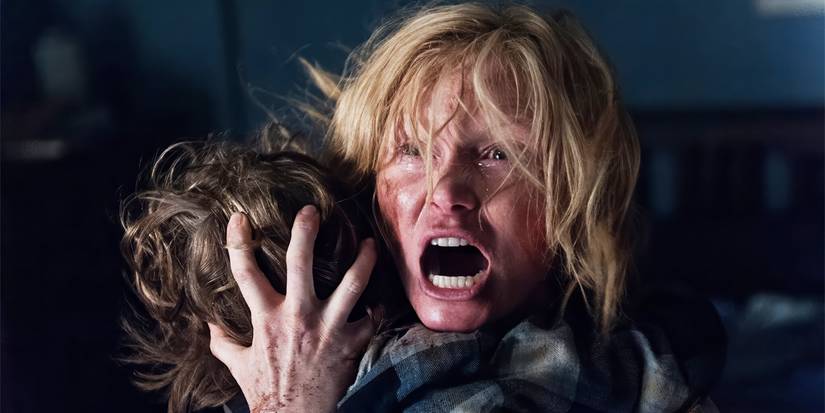
Single mother, Amelia (Essie Davis), struggles to raise her troubled young son Samuel (Noah Wiseman) in the shadows of the grief over their husband/father. But when a mysterious pop-up book, “Mister Babadook” appears in their home, its sinister contents seem to bleed into reality, manifesting as a shadowy presence that refuses to be ignored.
Seemingly more psychological than jump-scare based, The Babadook is a masterclass in using horror as a metaphor for grief, depression, and the struggles of parenthood. Yes, its pervasive dread may come from spectacle, but it’s also from its emotional core: a monster that feels all too real because it mirrors inner turmoil. It’s one of the most impactful horror films of the last decade, potentially influencing countless movies and discussions about what the genre could be.
2
‘The Loved Ones’ (2009)
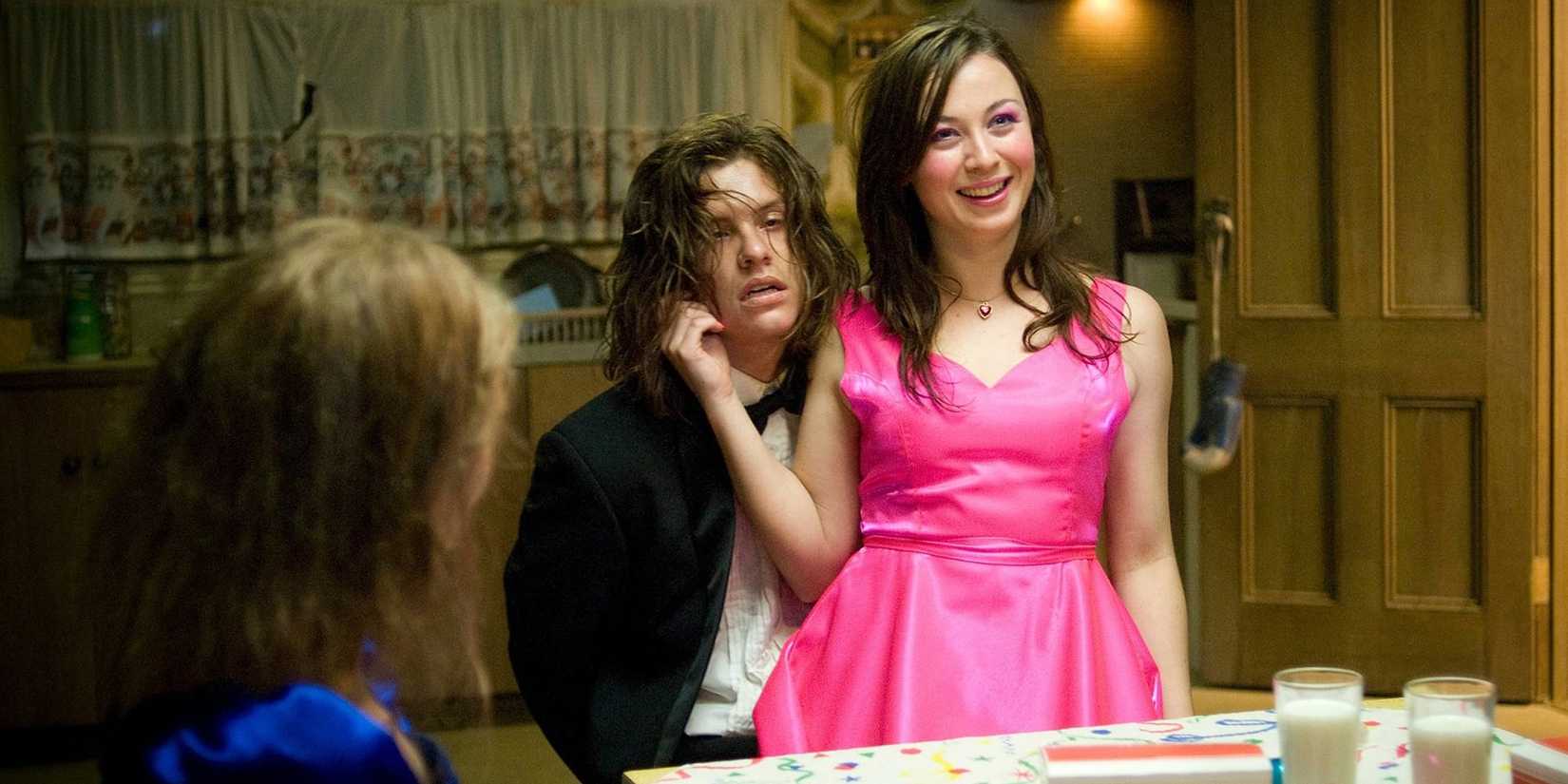
Image via Madman Films
After high-schooler Brent (Xavier Samuel) politely rejects classmate Lola’s (Robin McLeavy) invitation to the school dance, her reaction is anything but polite. Using help from her domineering, Lola decides to kidnap Brent and force him into a grotesque, prom-themed nightmare where he becomes an unwilling guest of honor in a blood-soaked, ritual-like evening.
Equal parts shocking and darkly comedic, The Loved Ones turns the idea of teenage heartbreak into full-blown horror. The film’s visceral energy, unpredictable cruelty, and twisted blend of gore and psychological torment make it one of Australian horror’s most notorious and bold works. In many ways, it’s a movie that subverts every speculation about prom night and revenge—making it a real underrated hit from the 2000s.
1
‘Wake in Fright’ (1971)
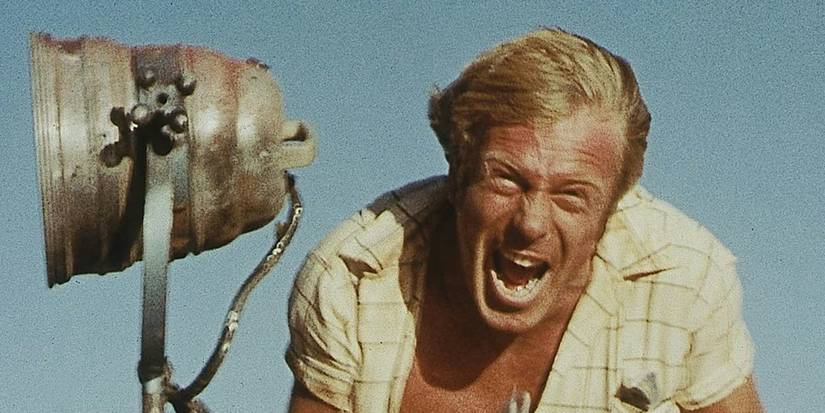
Intending to break up his long travel time, schoolteacher John Grant (Gary Bond) arrives in a remote Outback town for a brief stopover. Instead, he soon finds himself drawn to the local townsmen and their chaotic ways of life: hard-drinking, serious gambling, and even participating in a gruesome kangaroo hunt. What follows is his continuous descent into utter madness.
Though not a horror film in the supernatural sense, Wake in Fright is a devastating psychological terror that makes the psyche itself the true monster. It’s relentless, unsettling depiction of Outback madness and toxic masculinity turns the Australian terrain into a living nightmare. So harrowing and potent was its impact that it became a landmark of Australian cinema, haunting audiences for decades.