This post was originally published on here
Robert Duvall, the prolific actor better known for playing the Corleone crime family’s consigliere, Tom Hagen, in the first two installments of The Godfather trilogy, has sadly passed away. Duvall was 95 at the time of his death (on Feb. 15, 2026) and will forever be remembered as one of Hollywood’s most talented and decorated stars. During his career, he won an Oscar, a BAFTA, four Golden Globes, two Emmys, and a Screen Actors Guild Award.
The Virginia-born actor starred in many hit movies, which makes picking a “Best 10” more challenging. There is no bad Robert Duvall movie, but some have to be left out because they aren’t robust enough to please both hardcore cinephiles and casual viewers. For example, Tender Mercies, the picture that earned Duvall his only Oscar, has great performances, but it’s quite the snail. Hardly anything happens.
The following are the movies we will forever remember Robert Duvall by.
‘True Grit’ (1969)
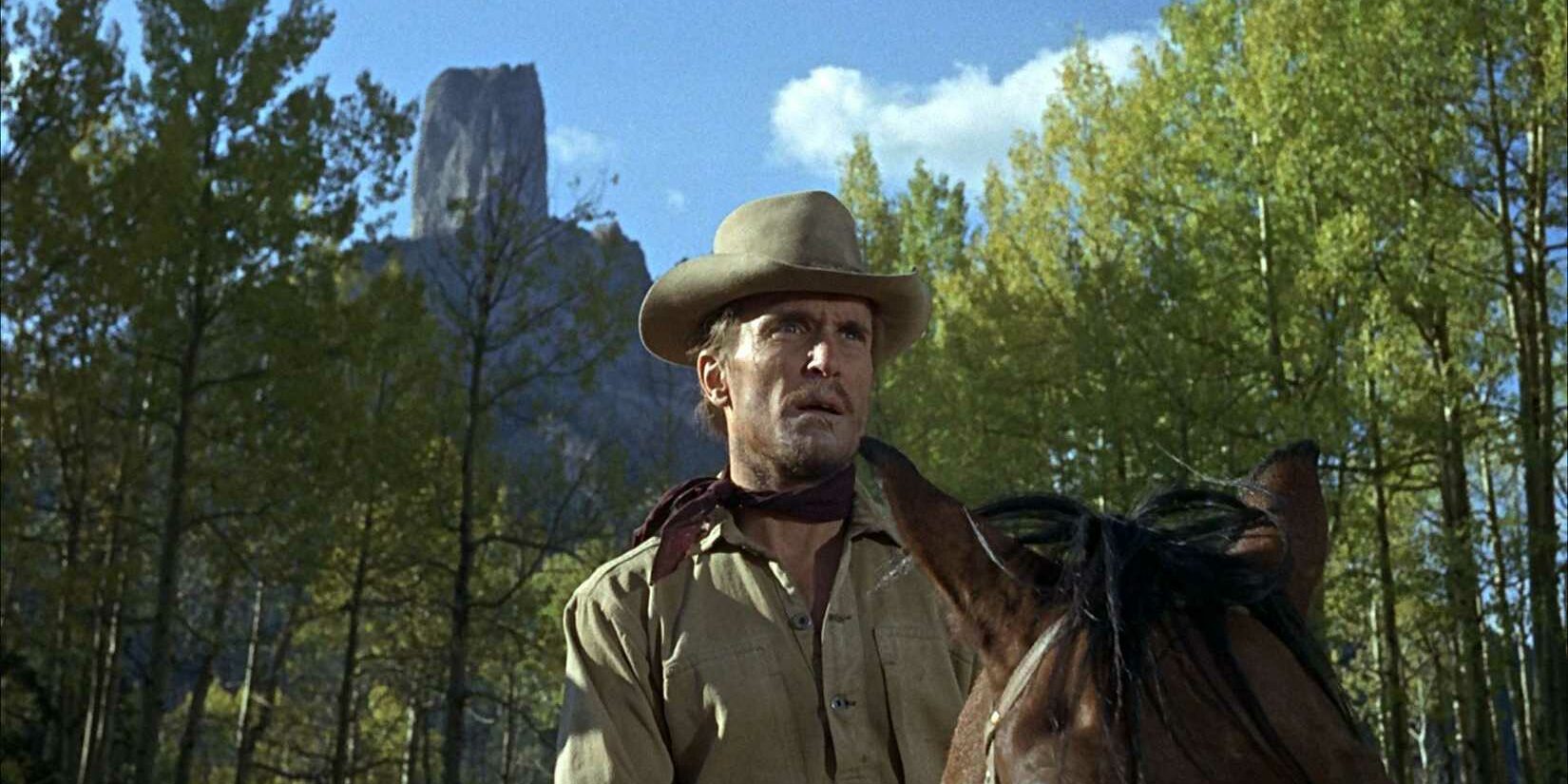
Which True Grit is better: The Coen Brothers version of the Henry Hathaway version? It simply depends on whether you like the classics or the 21st-century hits. It also depends on which actors you like. The original had Duvall playing Ned Pepper, a gang leader protecting an outlaw who is being hunted for murdering a young girl’s father. In pursuit of the criminal is Rooster Cogburn (John Wayne) — an aging, booze-loving, one-eyed U.S. Marshal.
True Grit’s malaise may seem tied to a very specific time and place, but Henry Hathaway’s rigorous inquiry into key philosophical and social questions remains timely and important. The action and other atrocities all feel necessary, reinforcing the prevailing mood of disillusionment. And Duvall constantly works hard to outshine Wayne. Interestingly, the antagonist-villain feud spilled onto the set, too. According to The Daily Express, the two almost came to blows on set due to differences in their acting methodologies.
‘Network’ (1976)
MGM
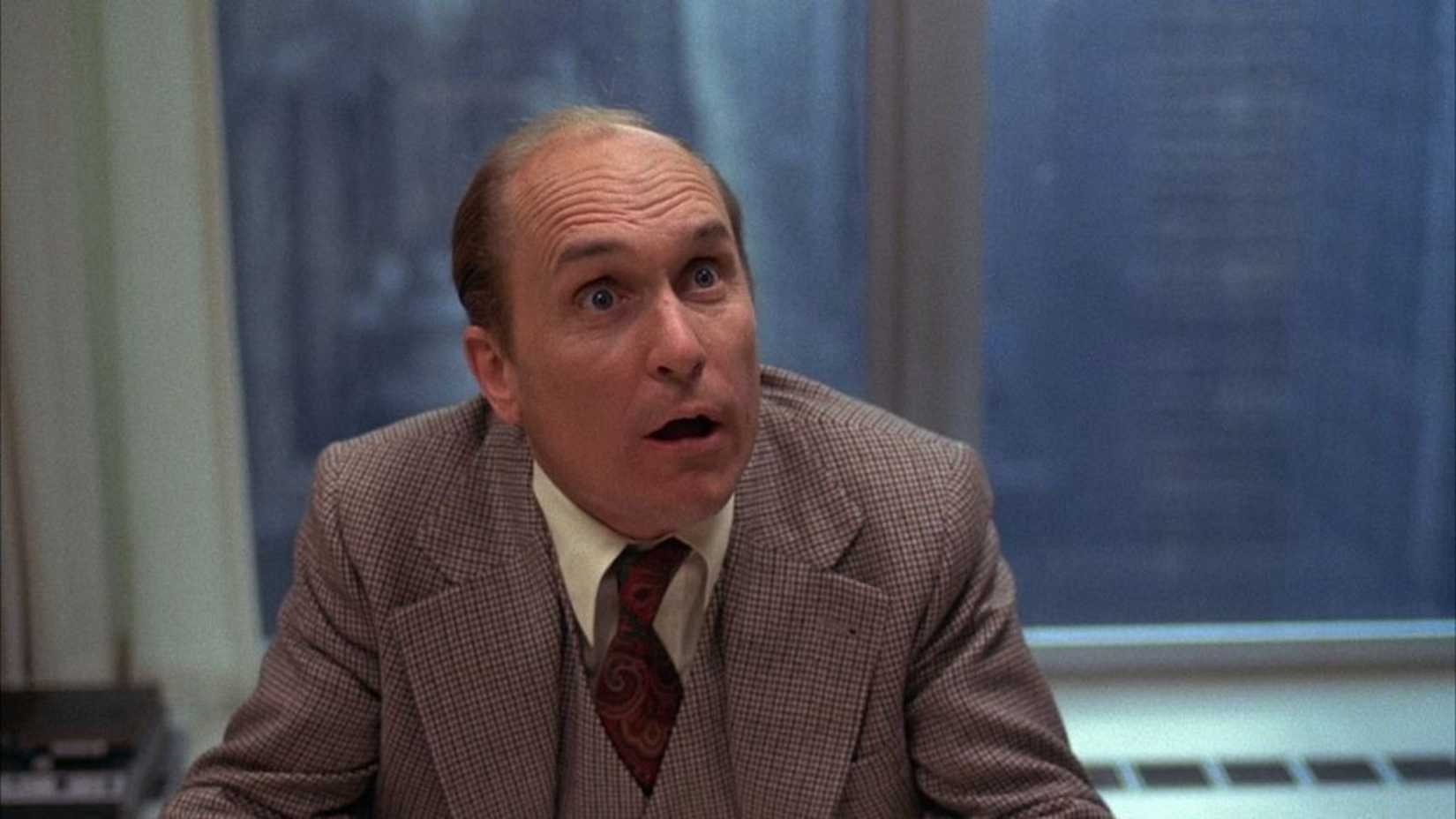
Network – an upbeat, cerebral satire on ratings culture – contains endless flashes of inspired wit and deservedly earned an Oscar nomination for Best Picture. The comedy-drama is about a show that suddenly becomes a hit after its anchor (who is about to be fired) goes on an on-air rant. All the actors deliver their dialogue in a somewhat blank, inflected way, including Duvall, whose surprisingly hilarious facial expressions underscore his disaffected character’s frustrations.
Duvall plays the network executive Frank Hackett, and even director Sidney Lumet claimed to have been genuinely surprised by how funny the actor was. Overall, the movie never drifts aimlessly from plot to plot, and the rest of the actors never struggle. Every disgruntled character appears to feel the organization’s ills far too keenly. Their existential crises remain grave, yet they never stop flirting with silliness.
‘The Great Santini’ (1979)
Warner Bros
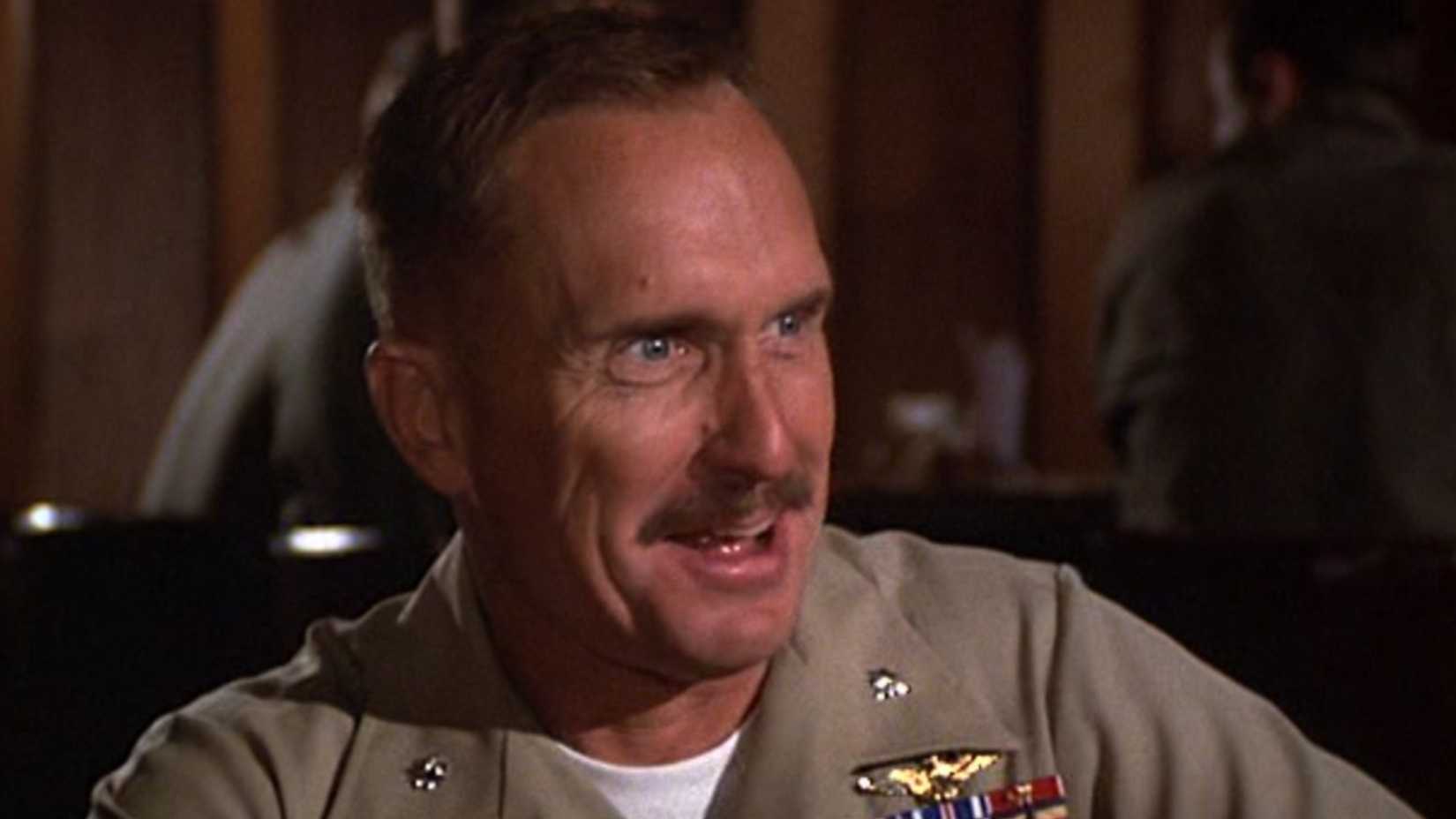
Robert Duvall stole the picture and earned a Best Actor Oscar nomination for his portrayal of the brutish Lt. Col. Wilbur “Bull” Meechum, a Marine pilot who is too tough on his basketball-loving son, Ben (Michael O’Keefe). The dad is loath to acknowledge any of his wrongdoings, so conflict emerges as The Great Santini covers themes of parenthood, racism, and mental health.
Ordinarily, great movies never lack iconic scenes, and The Great Santini has several, including the one-on-one basketball game during which Bull Meechum repeatedly bounces the ball off Ben’s head while asking, “You gonna cry?” The scene has been parodied heavily, including in Austin Powers and The Simpsons. Better than the Pat Conroy novel it was based on, this smart, tingling drama, which also qualifies as a basketball movie, warrants a digital rent or purchase.
‘Sling Blade’ (1996)
Miramax
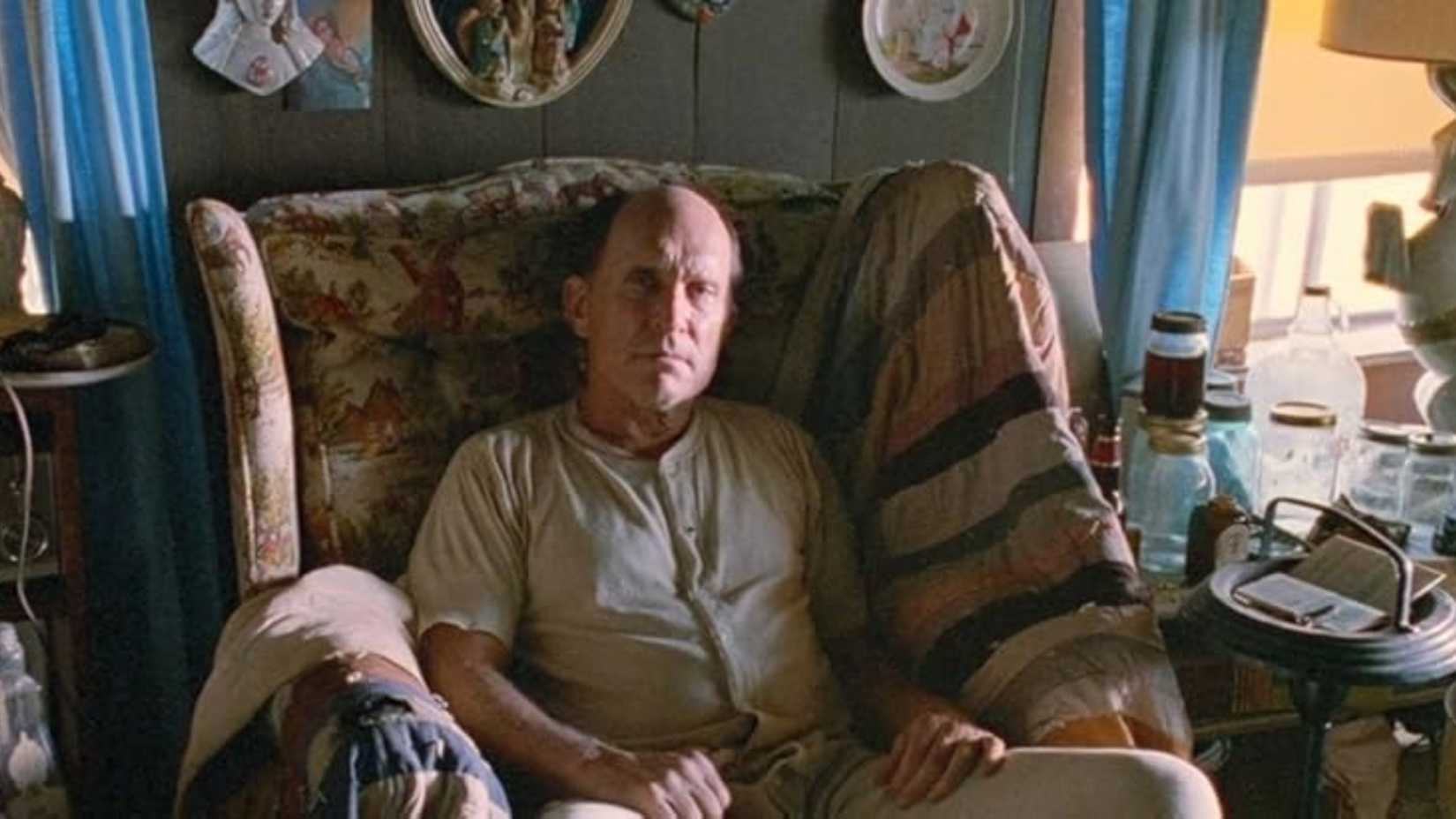
Landman star Billy Bob Thornton did the heavy lifting in this underexposed Southern Gothic drama in the ‘90s. Based on the actor’s one-man show, Swine Before Pearls, Sling Blade boasts a tight script, a reserved plot, and a terrific cast. Thornton directs and also stars as Karl Childers, an intellectually challenged person who struggles to adapt after being released from a psychiatric facility. Duvall plays his father, Frank.
Several moments in Sling Blade will send shivers down your spine, but it wasn’t made with the intention of upsetting anyone. It’s a wonderful parable of good and evil, with a plot that’s poetic and moving. If you are looking for a truly great film about mental health, this is a good choice. Duvall isn’t in it for as long as his fans would have liked, but his scenes, highlighting failed parenthood, are powerful and memorable.
‘Rambling Rose’ (1991)
New Line Cinema
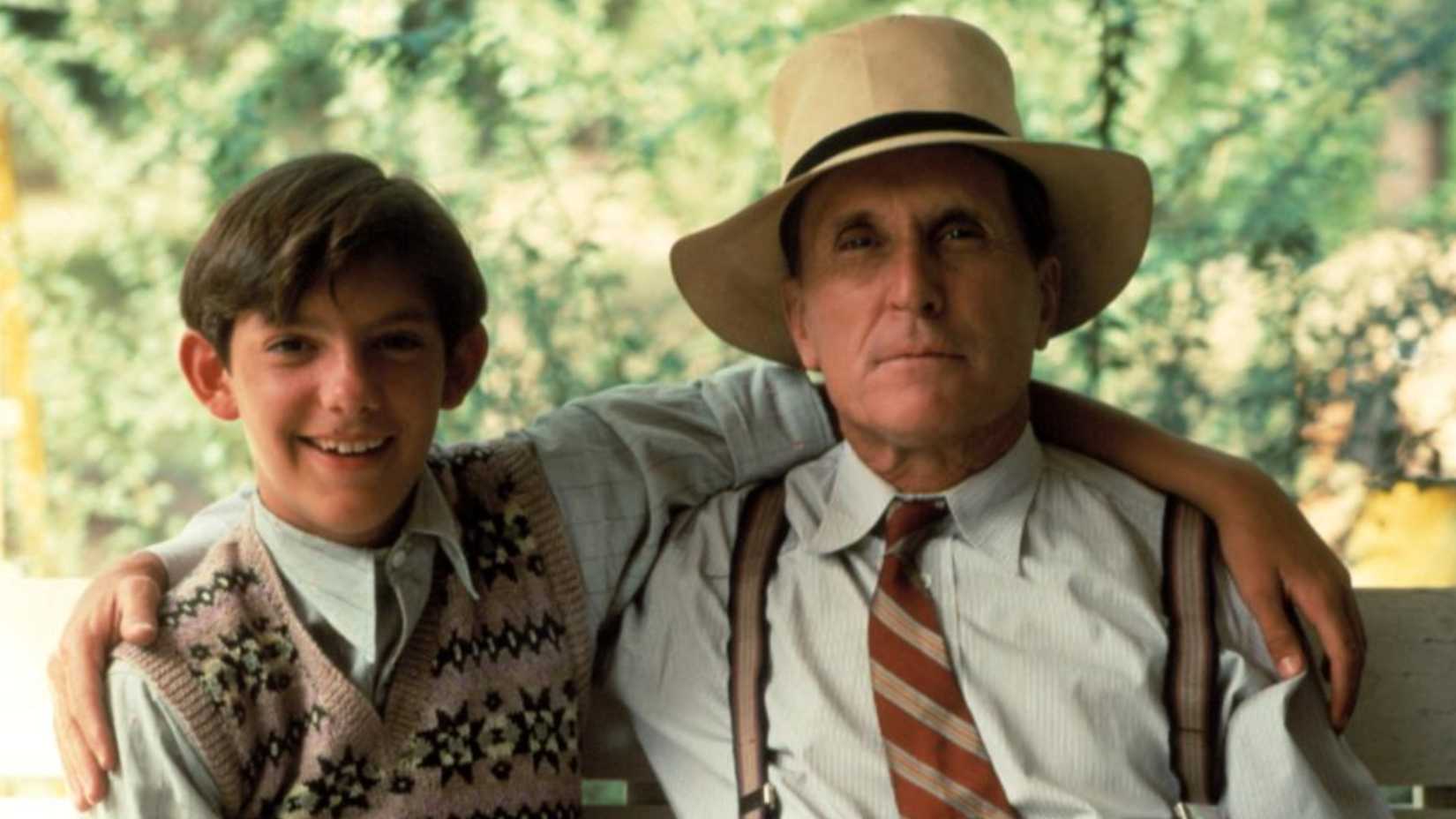
Based on Calder Willingham’s 1972 novel of the same name, Rambling Rose covers the chaos that emerges when the Hillyer family takes in Rose (Laura Dern), a good-hearted but sexually liberated young woman running away from a troubled past. Both the adolescent Buddy and his father, “Daddy” Hillyer (Robert Duvall), get caught up in a web of lust, yet “Mother” Hillyer (portrayed by Dern’s real-life mother, Diane Ladd) won’t stop defending Rose. Dern and Ladd would become the first mother-daughter duo to be nominated for Academy Awards for the same film.
Duvall might not have been recognized by the big award organizations, but he also does a great job, bringing his trademark poise and assured line-delivery. Overall, this is a sumptuous treat that exhibits artful restraint in the telling. It evokes the hard price of hospitality and the frayed nerves of those who choose to take on greater burdens than they can carry. Better yet, the cast is thin enough to prevent you from getting lost in a crowd.
‘Apocalypse Now’ (1979)
Paramount Pictures
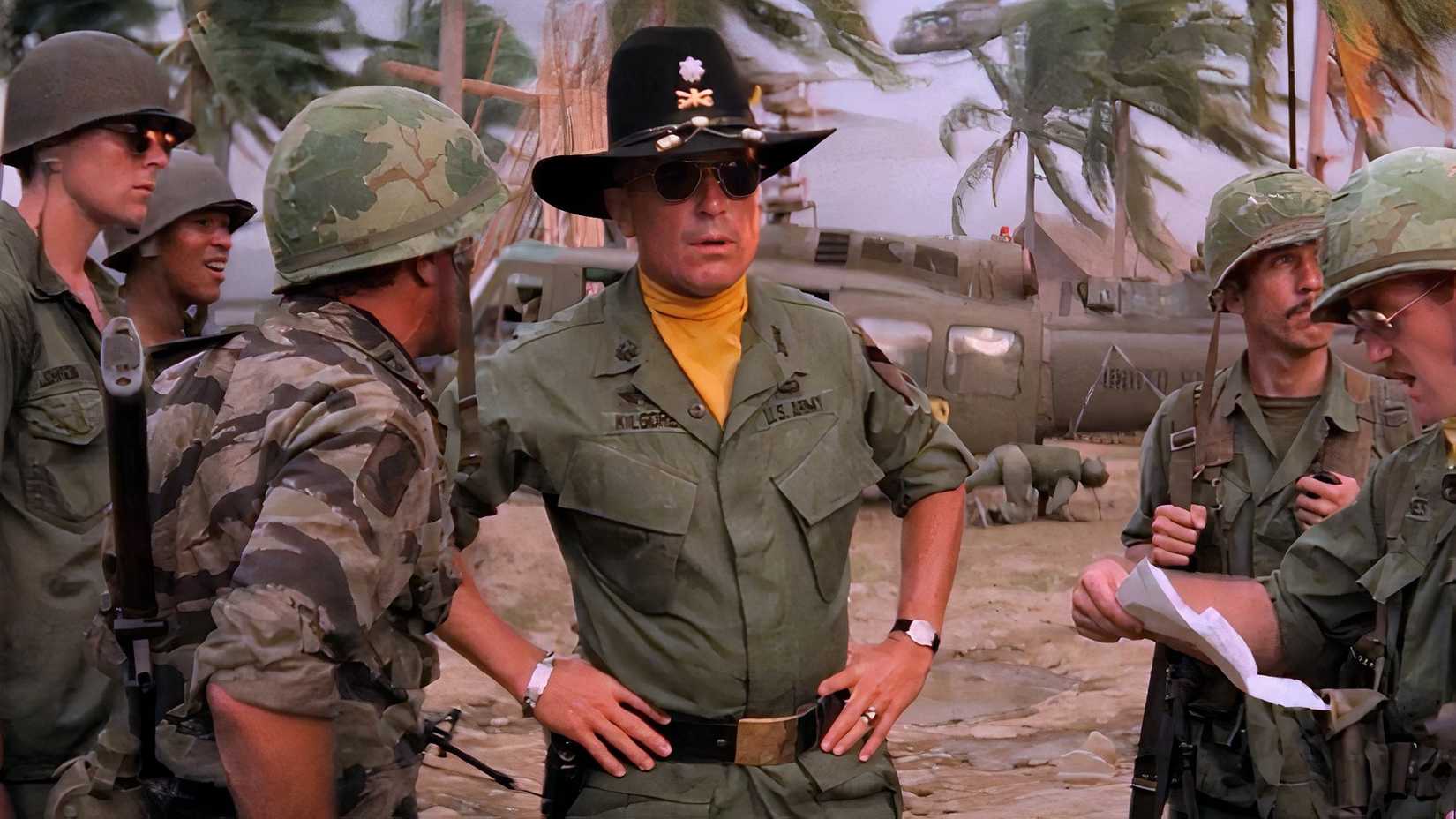
“I love the smell of napalm in the morning!” Robert Duvall’s remark in Apocalypse Now is regarded as one of the greatest quotes in film history. His character, Lieutenant Colonel William “Bill” Kilgore, is the commander of the 1st Cavalry Division, but the movie’s main plot revolves around a mission to assassinate Colonel Kurtz (Marlon Brando), a special forces officer who has gone rogue in Vietnam.
Despite being one of the movies with the most chaotic production processes, Apocalypse Now is a masterpiece, featuring endless, neatly shot scenes that jolt audiences into a state of wonder. The cinematography sure is something, presaging yet-to-come visuals… visuals you won’t want to miss. No one has a lazy day, and Duvall deserves extra praise for going out of his way to consult military figures on how to portray a tough, unflinching officer.
‘The Apostle’ (1997)
October Films
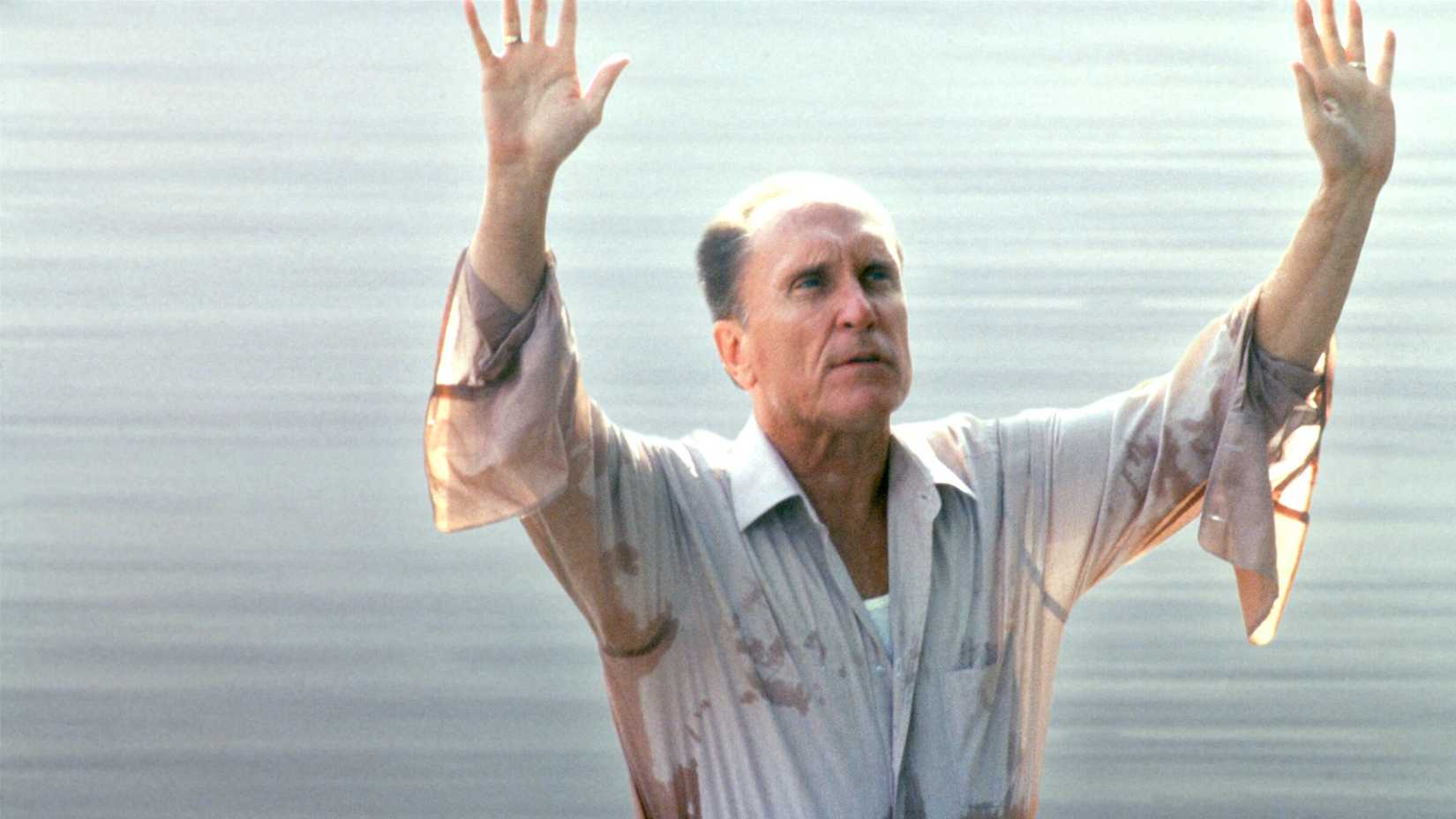
The Apostle was Duvall’s own passion project. He wrote, directed, starred, and even put in his own money. Here, he is a charismatic Pentecostal preacher whose mega-church dreams seem untenable because of his drinking. When he fatally assaults his estranged wife’s new lover, he flees and ends up in Louisiana, where he settles and becomes a beloved preacher. That’s until the cops show up.
Oscar-nominated for Best Actor, Duvall manages to convey apathy, feebleness, and a high sleaze factor without necessarily appearing outright evil. The rest of the cast is beguiling, fearless, and precocious, depending on where your eyes are looking. But what you’ll love the most is how the movie uses interwoven thoughts of various characters to highlight the preacher’s state of mind, and manages to present a forthright portrayal of religion.
‘The Godfather: Part II’ (1974)
Paramount
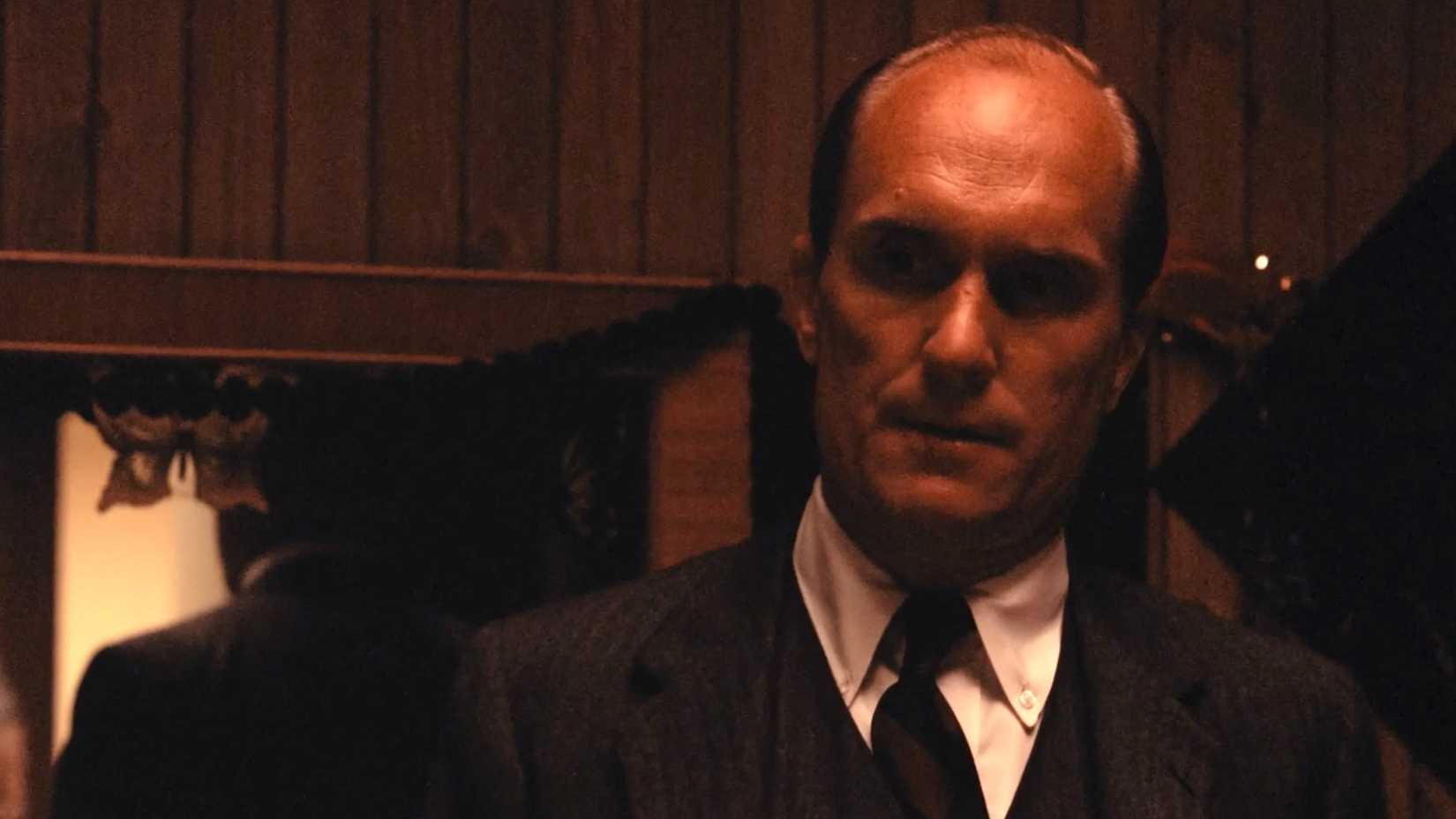
In The Godfather: Part II, Duvall’s Tom Hagen returns just as we knew him. He is the Corleone crime family’s consigliere, and he sure does a good job at keeping things in order. This time, audiences get to see Michael Corleone (Al Pacino) grow the empire. A parallel plot involves flashback scenes to the time Michael’s father, Vito (portrayed by Robert De Niro), was learning the trade.
A lot has been said about Coppola’s unblinkered crime drama. A lot more will be said. For now, the consensus remains. There are no bad performances in The Godfather: Part II. There are no weak moments either. It’s a masterclass on how to make a sequel. It’s, therefore, quite a shame that Francis Ford Coppola’s recent movies have all received negative reviews. Maybe he should make another gangster movie. Maybe this is the genre where he really belongs.
‘To Kill a Mockingbird’ (1962)
Universal International Pictures
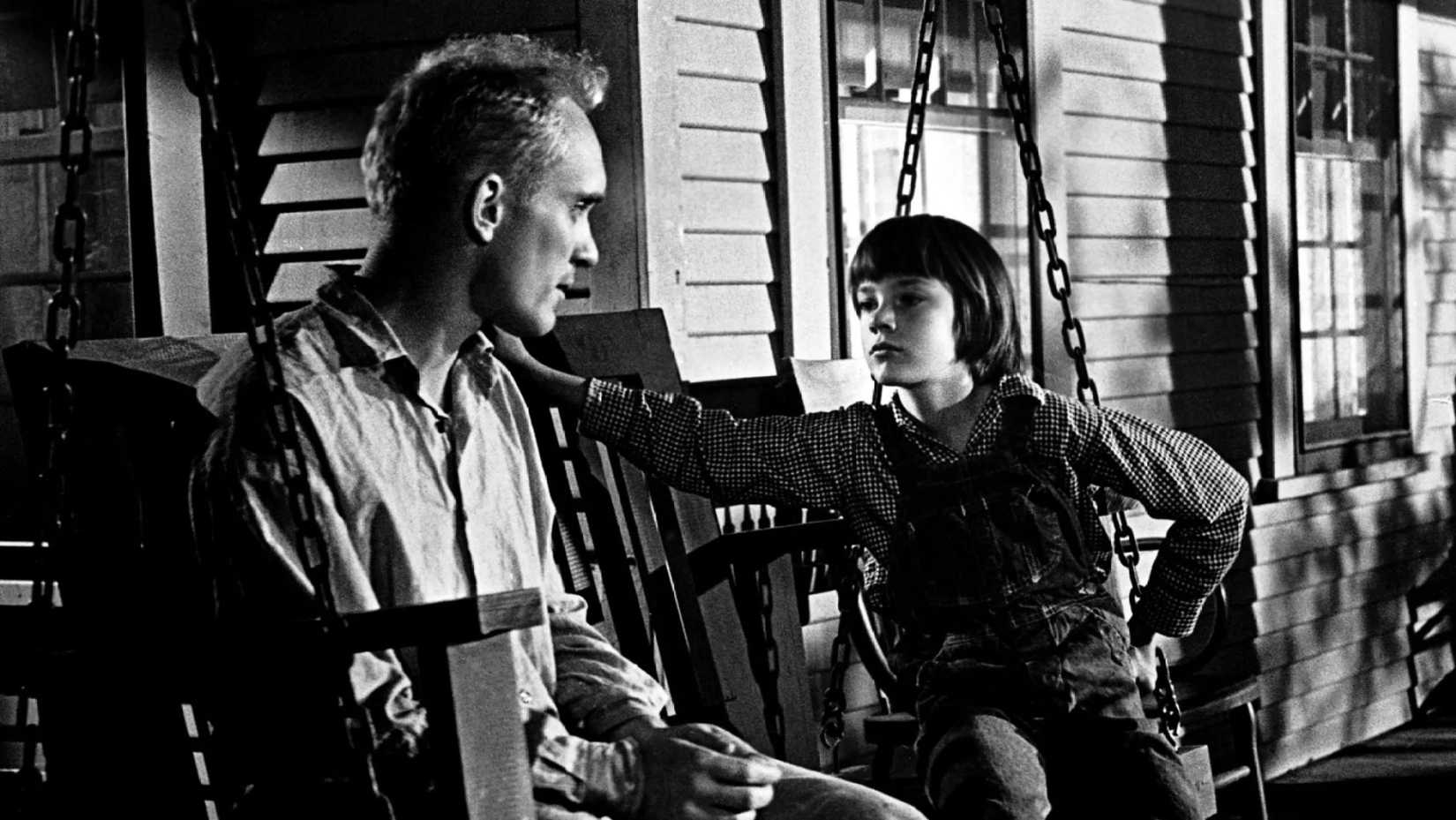
It’s never too late to start! Believe it or not, To Kill a Mockingbird marked Robert Duvall’s first-ever big-screen appearance at 31. The film is about a lawyer defending a black man who has been falsely accused of rape, and Duvall plays a reclusive man who gets the opportunity to save children from a violent and racist drunkard.
One of the finest legal dramas to deal with the cost of racism, this tense, heartfelt adaptation of Harper Lee’s 1960 Pulitzer Prize–winning novel is tailor-made for the steady, ever-patient Duvall. A thumbs up should also be waved at director Robert Mulligan, who is adept at capturing the turmoil that plagues both the accused and the young characters in the face of impending horror. Beyond that, the cinematography, highlighting the best and worst of Depression-era Alabama, is something to behold.
‘The Godfather’ (1972)
Paramount Pictures
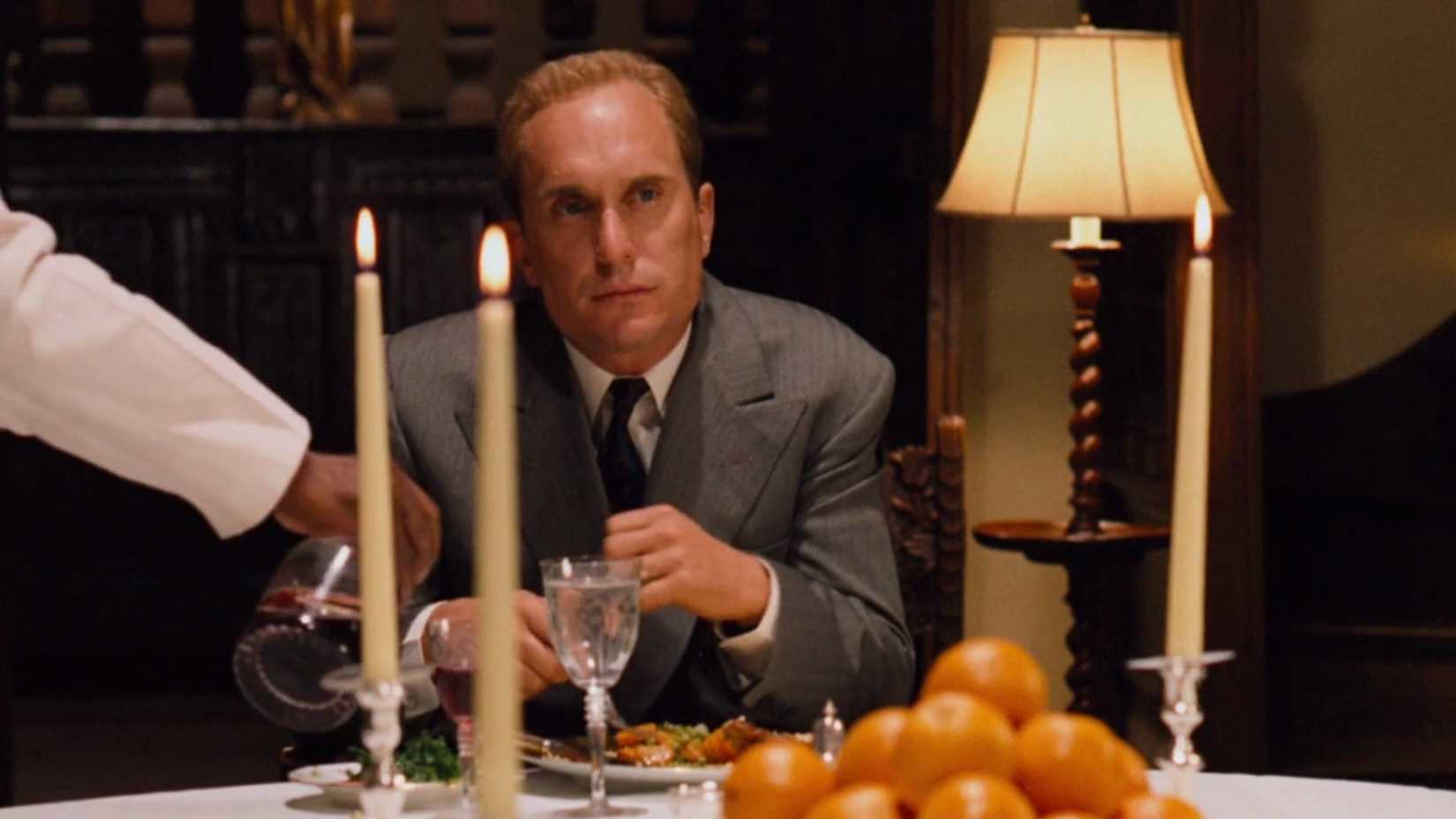
To many, The Godfather is the greatest movie of all time. It’s beautifully shot and beautifully acted, with a unique story that’s beautifully told. It’s hard not to be left in awe, as you see the Corleones attempting to lead the most normal lives they can, despite imperfect business conditions and an atmosphere thick with pressure and danger.
Duvall’s never-anxious, never-high-strung turn as Tom Hagen earned him a Best Supporting Actor Oscar nomination. Coppola admitted that he never wanted anyone else for the role. Even though many other actors auditioned, he only saw Duvall as the consigliere. Today, this poignant and ultimately tragic Cosa Nostra tale remains his most defining role. We doubt he had a problem being seen as Tom Hagen wherever he went. It was a great tag to have.
Rest in Peace Robert Duvall! Thanks for contributing to the magic of cinema!