This post was originally published on here
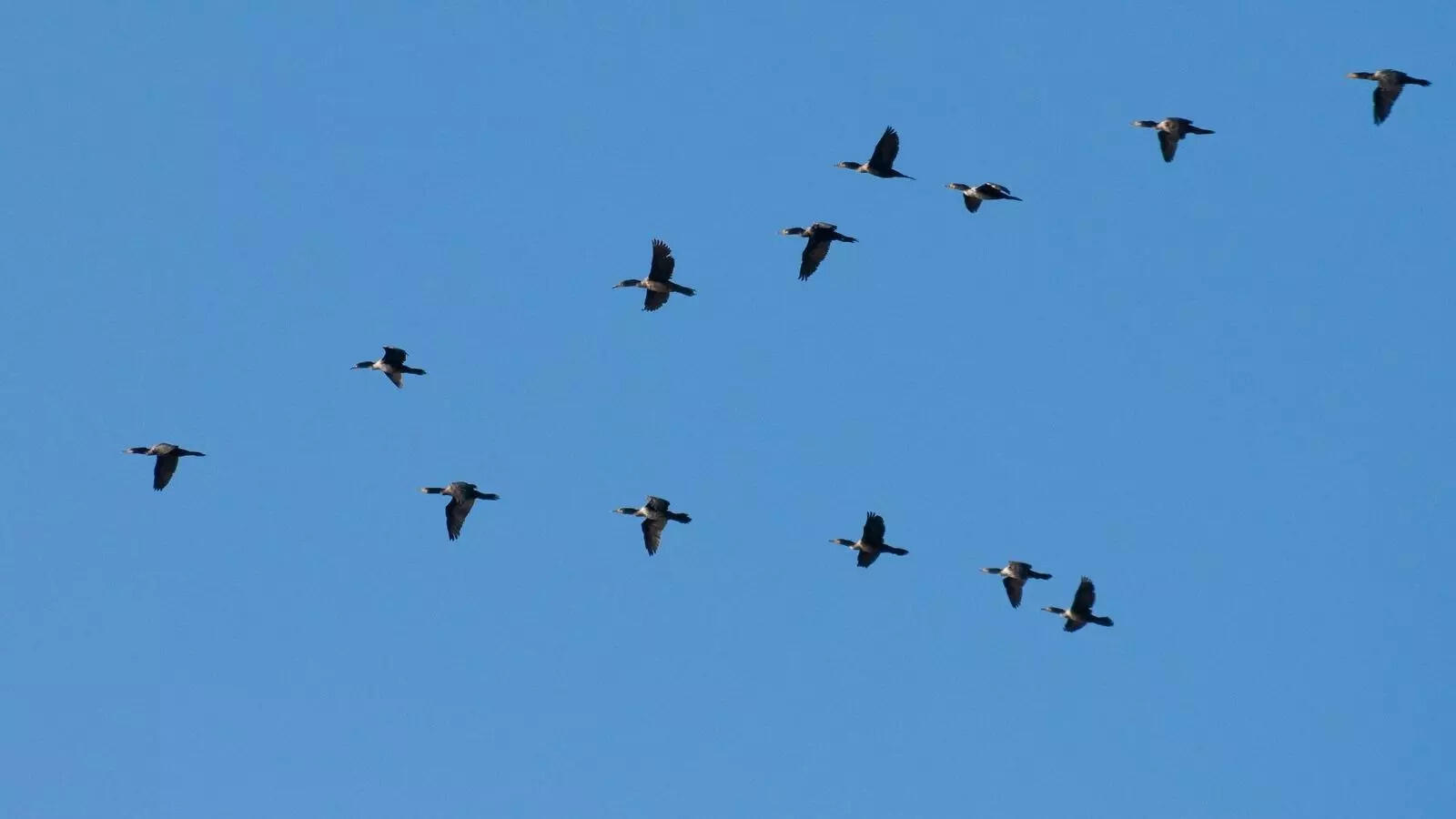
Ever seen a flock of birds flying in a perfect V formation and wondered why they line up that way? It is not just to look pretty. Flying in a V helps them save energy and makes long journeys easier because each bird gets a little help from the one in front.When the bird at the front flaps its wings, it pushes air in a way that gives a little lift to the birds behind. This helps them fly more easily without getting too tired. The birds also take turns leading so that no single bird has to do all the hard work.A study in Nature shows that birds are very precise about flying in this formation. Each bird times its wing movements and keeps just the right distance to catch the best airflow. It is a simple but amazing example of teamwork and how animals use nature’s tricks to make long flights easier.
The secret behind the V-shaped flight
Birds flying in a V are not just following a leader or showing off formation skills. The main reason is energy. The bird at the front pushes air in a way that gives the birds behind a little lift, making it easier for them to keep going. By taking turns at the front, the flock shares the hard work, making long journeys much less tiring, a report presented by science(dot)org suggests.Research on ibises has revealed just how smart these birds are when they fly in a V. It is not just about staying together. Each bird adjusts its position and wing movements to make the most of the air pushed by the one in front. Their V-formation is a clever, coordinated system that helps the whole flock travel more efficiently.
How technology shows us the genius of birds
To understand how birds save energy while flying in formation, scientists studied young northern bald ibises during a reintroduction project in Europe. As per science(dot)org, the birds were guided by a microlight plane on their migration from Austria to Italy.
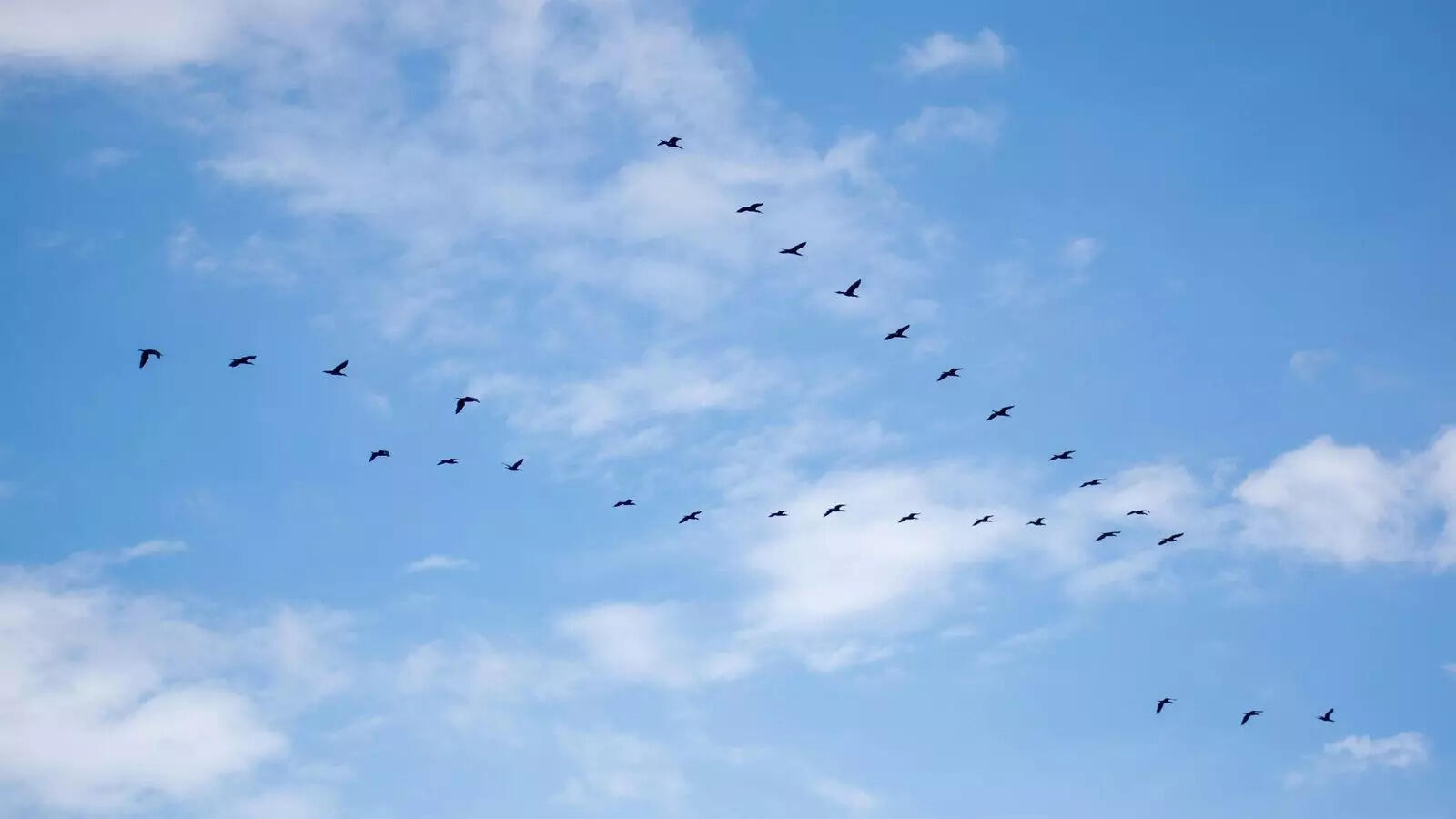
Each bird was fitted with a tiny device that tracked its position and every flap of its wings. Using this data, scientists could see how precisely the birds synced their movements and adjusted their positions to take full advantage of the airflow, making their flight as efficient as possible.
Perfect timing, perfect flight
Scientists found something really amazing about ibises in flight. The birds aren’t just following each other; they line up in a way that lets them ride the air pushed by the bird in front. By catching this lift, the birds in the back can glide more easily and save a lot of energy on long journeys.As mentioned in the report, James Usherwood, a biomechanist from the Royal Veterinary College in the UK, explained the complexity: “Air gets pretty darn wiggy behind a flapping wing.”
Teamwork in the skies
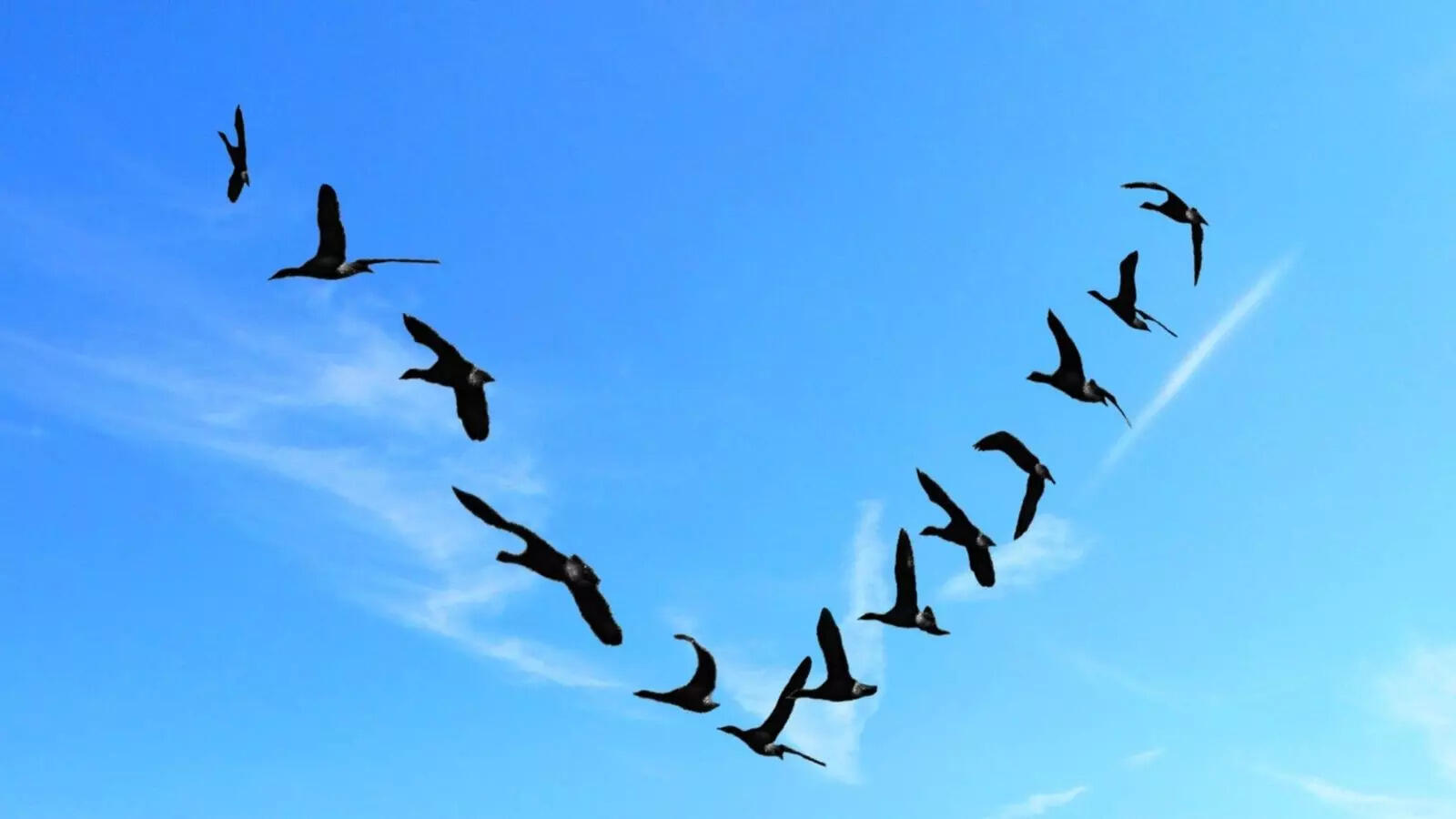
Birds flying in a V are not just following the leader. The ones at the back are always adjusting where they are and how they flap their wings. By syncing their movements perfectly, they cut down on resistance and save energy, while avoiding the downward air from the bird in front.As mentioned in the report, Usherwood was amazed by the precision: “We didn’t think this was possible,” he said. “Perhaps these big V-formation birds can be thought of quite like an airplane with wings that go up and down.”
Do other birds use the same trick?
Even though the study focused on ibises, scientists believe other large birds like geese, pelicans, and storks use the same energy-saving trick. Their long wings let them ride the upward air from the bird in front. Smaller birds probably don’t get the same advantage because their quick wingbeats create uneven air that is harder to use.Images: Canva (for representative purposes only)