This post was originally published on here
Scientists have found the origin of a mysterious ‘bloop’ noise, which some believed was a call from the colossal extinct Megalodon shark.
It’s a widespread conspiracy theory, made all the more popular thanks to Hollywood, that the giant prehistoric shark Megalodon is still out there somewhere, roaming the distant depths.
There’s certainly something appealing about the idea of the vastness of the ocean hiding such an enormous creature from us now, even with all our observational equipment, but sadly it’s not true, for a number of reasons.
Big predatory sharks like the Great White, which is similar to the Megalodon, shed a lot of teeth, and they wash up on beaches fairly frequently. If there were a big shark still roaming around the ocean, we would expect to find fresh teeth washing up.
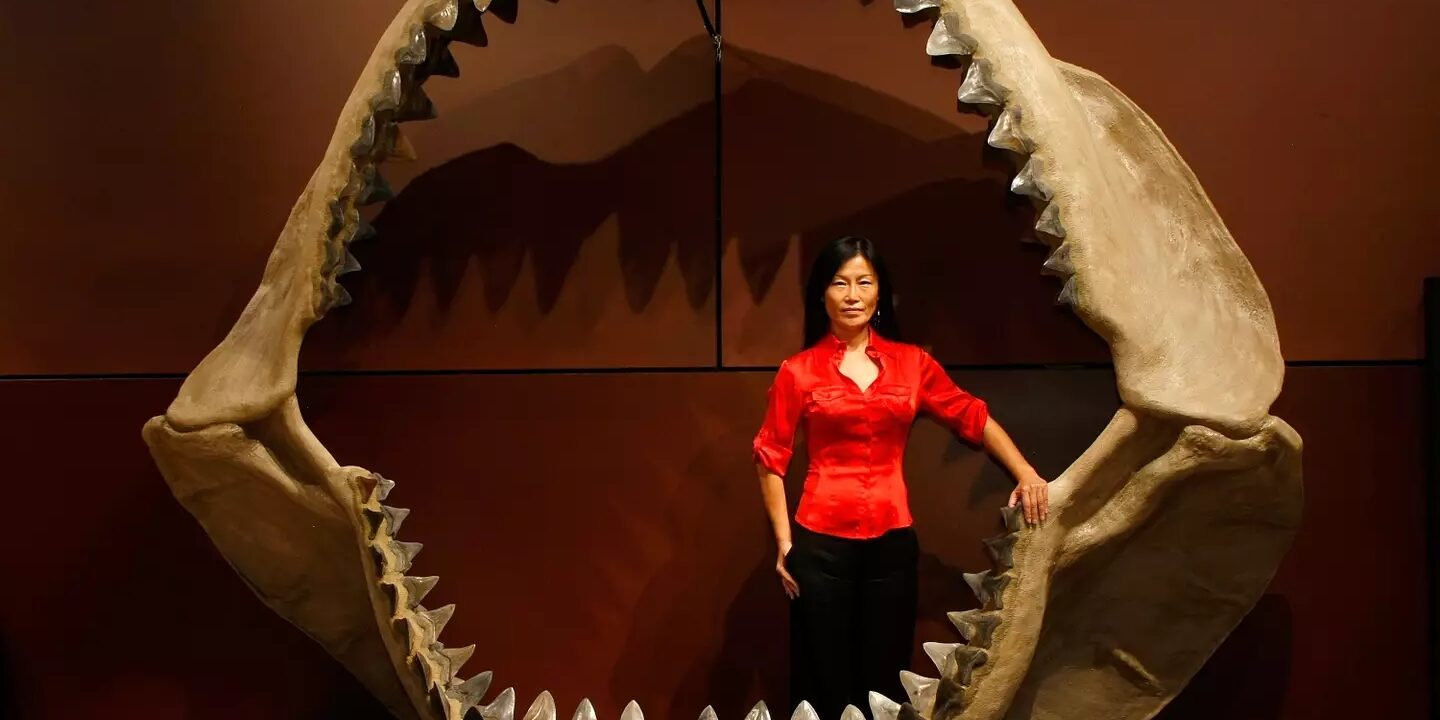
Also, a big apex predator like the Megalodon, which could have been up to 24 metres long, would need a lot of food to survive – we’re talking snaffling a whole whale here.
That’s a big shark (Ethan Miller/Getty Images)
There’s not much to eat in the darkest depths of the ocean, and the megalodon would be drawn to places where its food is concentrated. For example, whale migration routes or seal colonies, which are often closer to coastal areas.
So basically, if Megalodon were still alive, we would almost certainly have seen one by now…sorry folks.
But despite this, the bloop puzzled scientists for a while, as it was far louder than any whale call, leading some to even joke that it was H.P. Lovecraft’s creature, Cthulhu.
The National Ocean Service (NOAA) deployed several hydrophones – underwater microphones – to figure out what had happened.
And in the end, it wasn’t Megalodon or Cthulhu, but what was it?
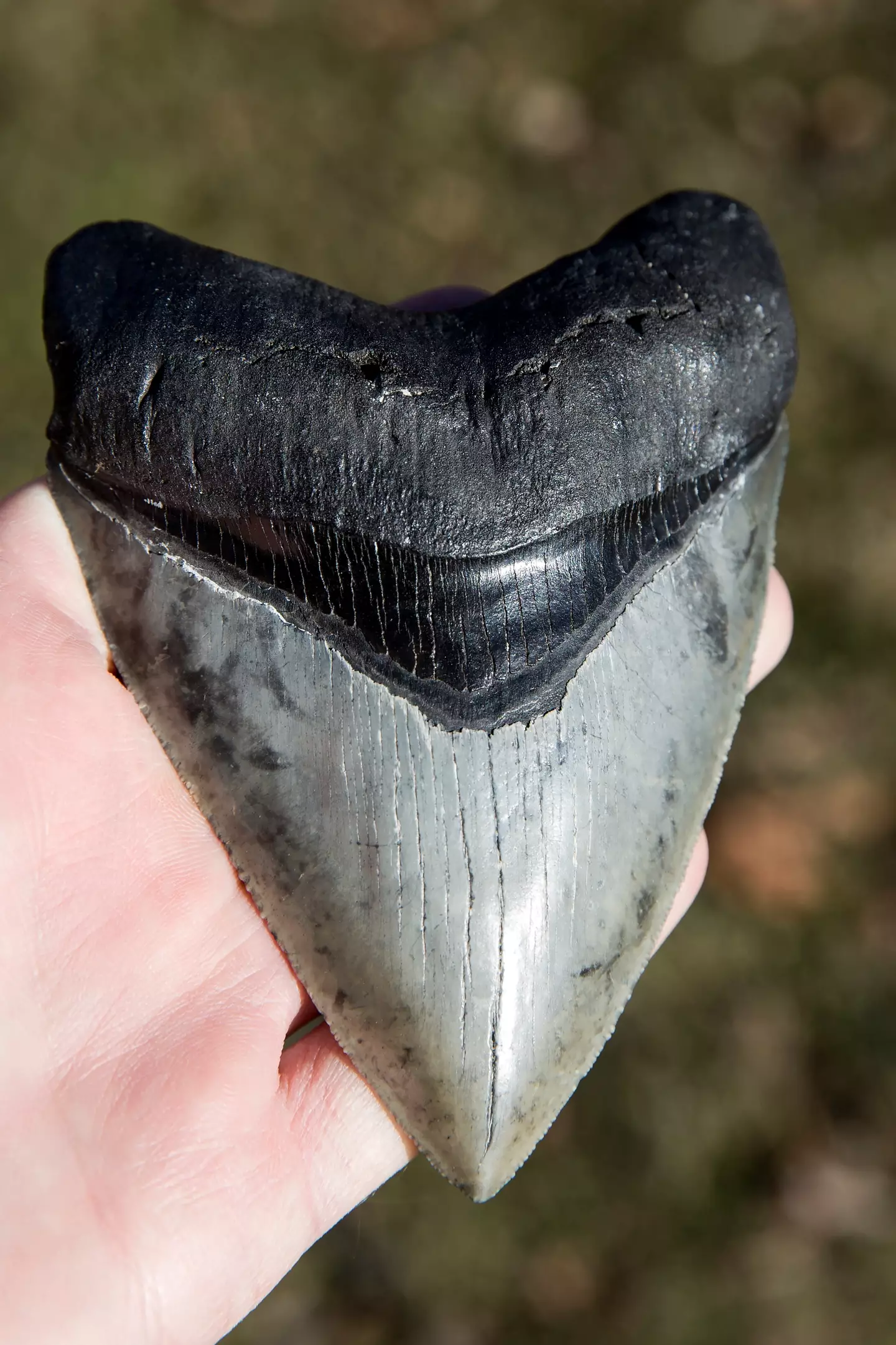
We can estimate the size of the shark based on fossilised teeth (Daniel A. Leifheit/Getty)
It turned out that it was the enormous noises being made by icebergs shifting, cracking, and breaking away – something which is a sign of something more sinister than a giant shark.
The NOAA stated: “As the years passed, PMEL researchers continued to deploy hydrophones ever closer to Antarctica in an ongoing effort to study the sounds of seafloor volcanoes and earthquakes.
“It was there, on Earth’s lonely southernmost landmass, that they finally discovered the source of those thunderous rumbles from the deep in 2005.
“The Bloop was the sound of an ‘icequake’, an iceberg cracking and breaking away from an Antarctic glacier! With global warming, more and more icequakes occur annually, breaking off glaciers, cracking and eventually melting into the ocean.”
So it’s not an enormous prehistoric shark – it’s likely global warming.