This post was originally published on here
A new study looks at how microscopic plants have been used as evidence in forensic investigations.
Tiny plants such as moss are easy to miss. Many are no larger than an eyelash, and they usually grow low to the ground in damp, shaded environments. Despite their size, these plants can provide important clues in forensic work.
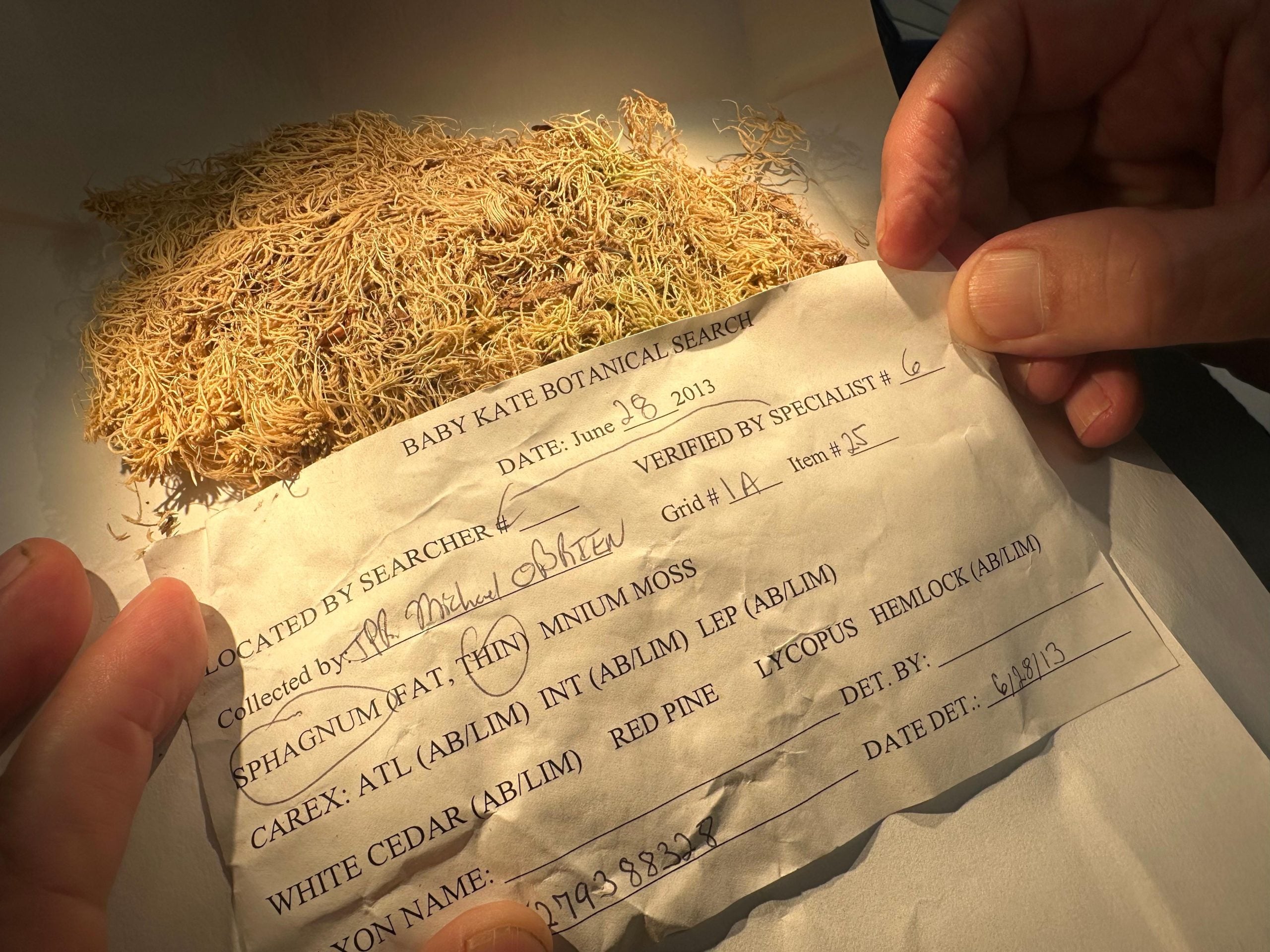
Scientists discovered this in 2013, when they were asked to examine fragments of moss to help determine the exact location of a buried body. The team has now gathered every known case involving mosses and related plants in forensic investigations and published their findings in the journal Forensic Sciences Research.
“With our paper, we wanted to highlight the significance of botanical evidence, because chances are, investigators are simply overlooking it because they don’t know what they’re looking at. We’re hoping that our study helps show how important these tiny plants can be,” says Matt von Konrat, Head of Botanical Collections at the Field Museum in Chicago and corresponding author of the paper.
What bryophytes are and why they matter
Mosses belong to a group of plants known as bryophytes. They are among the simplest plants found on Earth and lack true stems, leaves, roots, or seeds. Their basic structure allows them to absorb water and nutrients directly from the surrounding environment, which helps them flourish in moist, shaded landscapes where more complex plants often have difficulty surviving.
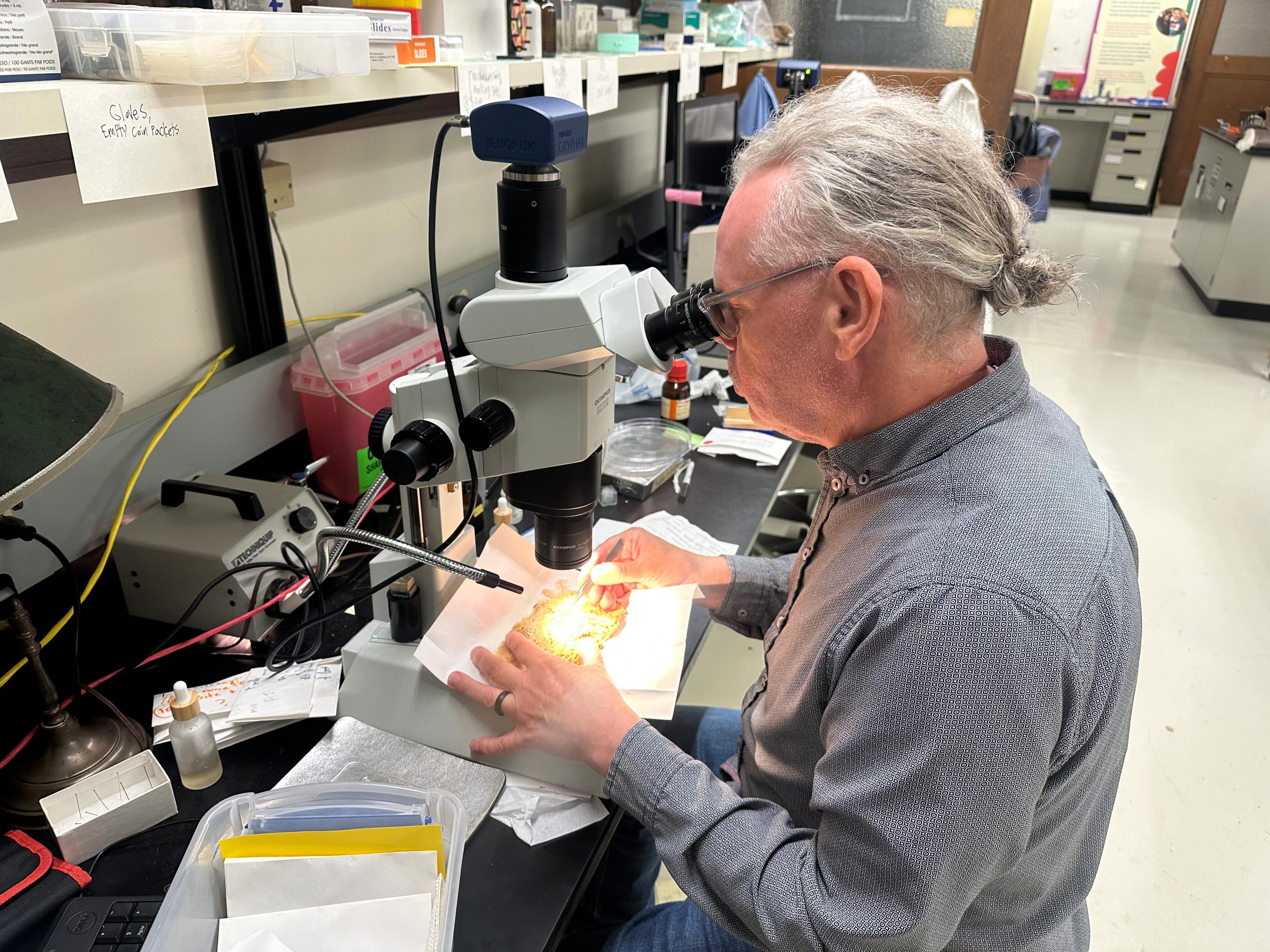
Some bryophytes are especially sensitive to their surroundings, with different species preferring very specific sets of conditions. “Because they’re so small, they have all sorts of microhabitats, even if an area overall seems to be one sort of habitat, they can find a spot that works for them in the shade, or in the canopy, or even growing under the grasses,” says von Konrat. “And different types of even smaller organisms can live on those mosses, which can give even further clues. This means that mosses can be a valuable tool for forensic scientists looking to confirm details of where a crime took place.
Reviewing 150 years of forensic botany
In 2024, Jenna Merkel, then pursuing her Master’s degree in forensic science at George Washington University, joined von Konrat as an intern at the Field Museum. “I thought, why don’t we look into writing a review of how bryophytes have been used in forensics?” says von Konrat. “So we reviewed 150 years of scientific literature to see how these plants have been used in investigations. Well, it turns out, the answer was, ‘Not that much.’”
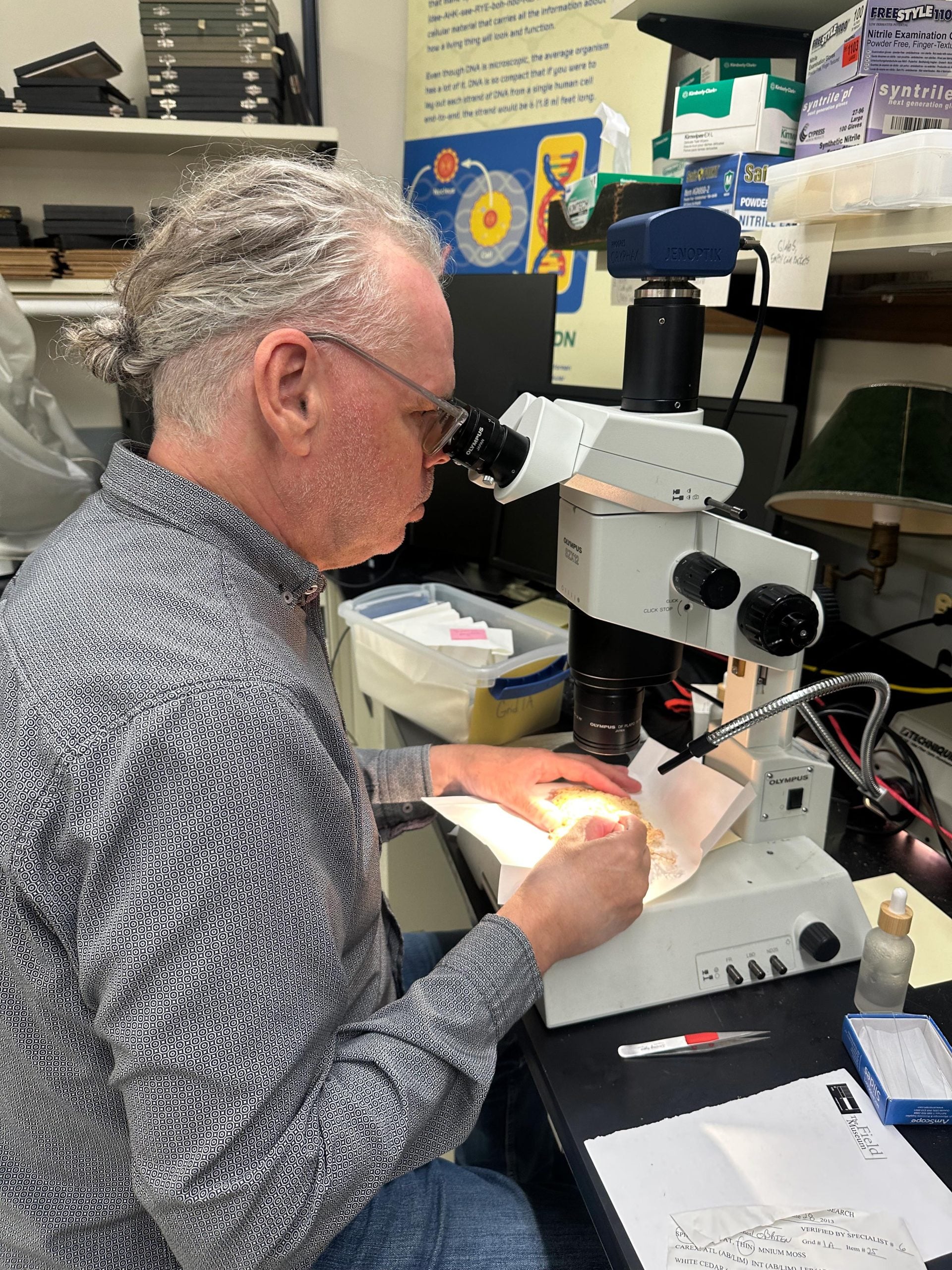
The earliest case the team found was from 1929, when the growth rate of mosses on a decomposing skeleton helped investigators determine how long ago the person had died. Over the past century, there have been at least ten more cases, in Finland, Sweden, Italy, China, and the United States, in which bryophytes have played a role in determining when, where, or how a criminal case had occurred.
A Michigan case where moss helped locate a burial
The researchers’ paper also serves as the first in-depth scientific record of a case von Konrat and several of his co-authors consulted on a decade ago.
In 2011, a baby girl named Kate was killed by her father, and her body could not be found. However, her father had given the police general information about where he’d buried her in northern Michigan, and his shoes had microscopic bits of plant material on them. In 2013, von Konrat led a team of botanists and volunteers in surveying the different grasses, trees, and mosses growing in the area, looking for a spot where the dozen plant species on the father’s shoes could be found.
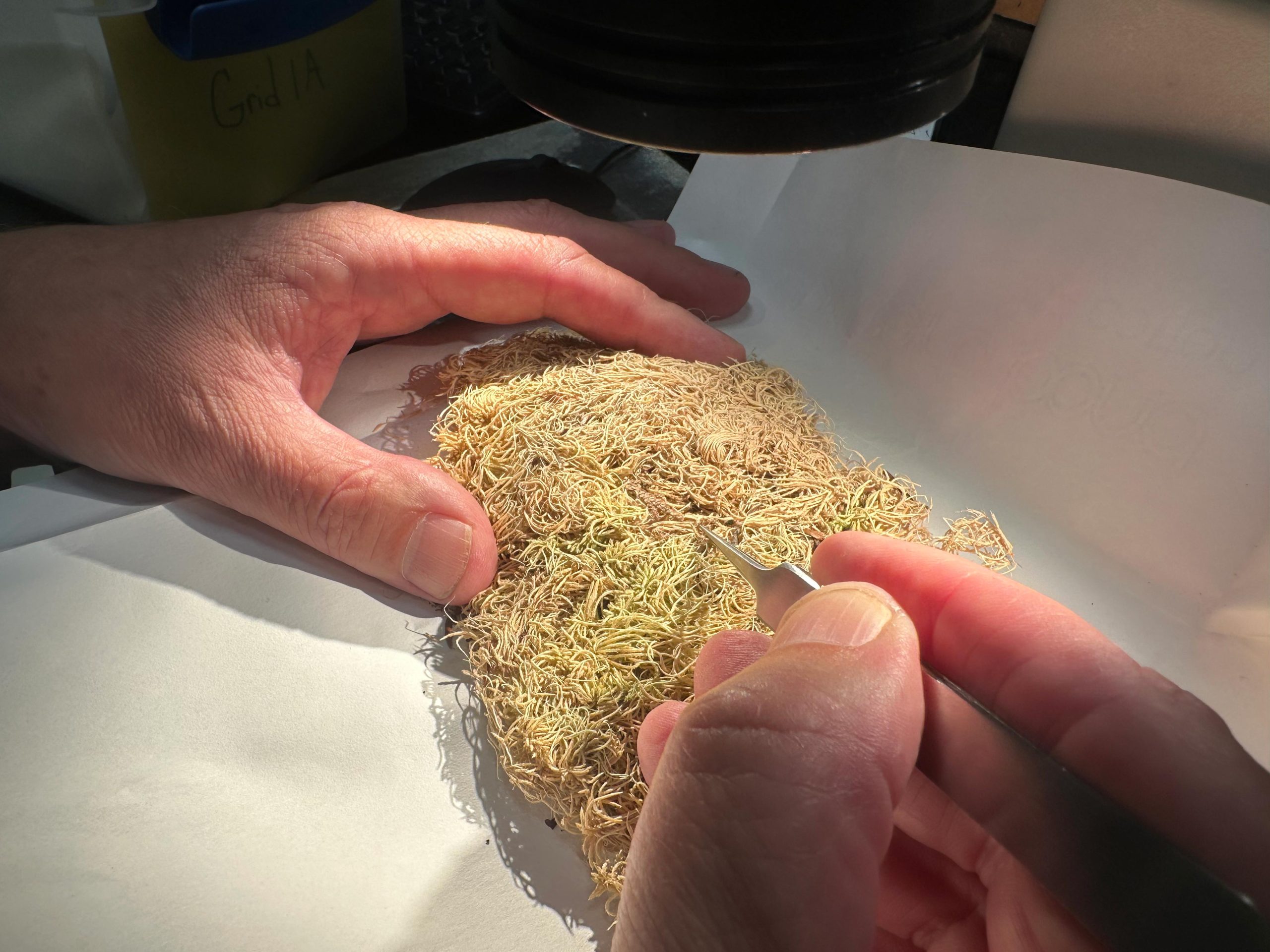
“There are hundreds of species of moss and dozens of species of grasses and trees living in that area,” says von Konrat. “But based on the bits of moss, we knew what sort of micro-habitat we were looking for.” The team ultimately identified a small area of about 50 square feet where Baby Kate was likely buried, narrowed down from the seven counties that law enforcement originally was investigating. Her father confirmed in a police interview that the spot pinpointed by the researchers is indeed where he buried his daughter.
Future role of bryophytes in forensic investigations
The paper’s authors hope that bryophytes can continue to help serve justice and bring closure to families affected by violence.
“Plants, and specifically bryophytes, represent an overlooked yet powerful source of forensic evidence that can help investigators link people, places, and events,” says Merkel. “Through this paper, we aim to raise awareness of forensic botany and encourage law enforcement to recognize the value of even the smallest plant fragments during investigations.”
Reference: “Green clues: unveiling the role of bryophytes in forensic science” by Jenna Merkel, Matt von Konrat, Lloyd R Stark, Andrew Laurence, Laura Briscoe, Becky Collings, Peter Carrington, Danny Kreider, Juan Larraín, Alan Lichamer, Gary Merrill, Anton Reznicek, R Jan Stevenson, Frank W Telewski and J B Wells, 10 November 2025, Forensic Sciences Research.
DOI: 10.1093/fsr/owaf026
Support by the National Science Foundation (Award Nos. 1145898, 1146168, 2001509)
Never miss a breakthrough: Join the SciTechDaily newsletter.
Follow us on Google and Google News.