This post was originally published on here
NEED TO KNOW
-
Scientists have discovered a unique 520-million-year-old fossil
-
The fossil’s internal organs are almost perfectly preserved, providing researchers with rare insight into the early ancestors of today’s arthropods
-
Arthropods include modern-day animals like crabs, lobsters, spiders, insects and centipedes
Scientists have discovered a rare, 520-million-year-old fossil with a highly unusual detail: its internal organs are preserved.
The findings were published in Nature, a peer-reviewed scientific journal, in a study led by researchers at the University of Durham, per a press release from the university. The fossil, named Youti yuanshi, provides scientists with insight into one of the earliest ancestors of arthropods, which includes modern-day animals like crabs, lobsters, spiders, insects and centipedes.
Advertisement
Advertisement
Scientists used advanced scanning technology to scan the fossil — which was once a larva and is the size of a poppy seed — to create 3D imaging of “the miniature brain regions, digestive glands, a primitive circulatory system and even traces of the nerves supplying the larva’s simple legs and eyes,” per the release.
Getty
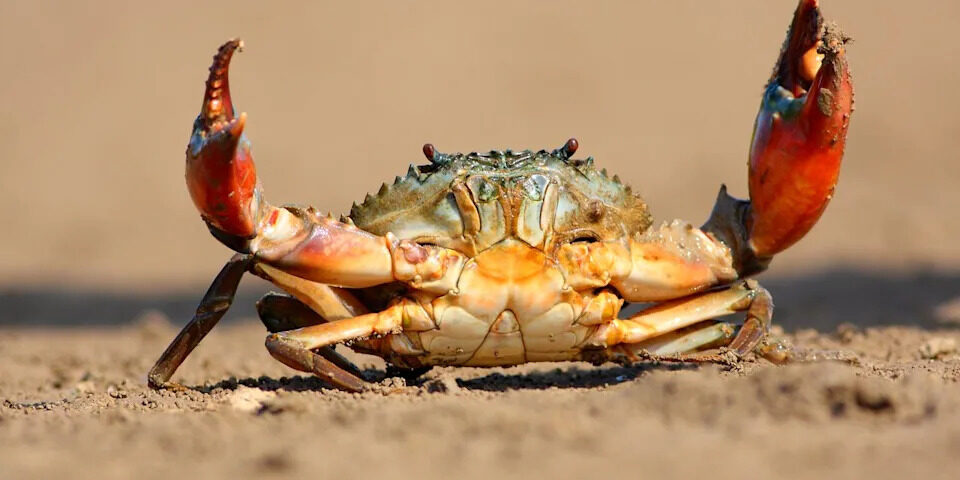
Crab (stock image)
The study’s lead researcher, Dr. Martin Smith of Durham University, said the discovery of the specimen was a dream come true.
Never miss a story — sign up for PEOPLE’s free daily newsletter to stay up-to-date on the best of what PEOPLE has to offer, from celebrity news to compelling human interest stories.
“When I used to daydream about the one fossil I’d most like to discover, I’d always be thinking of an arthropod larva, because developmental data are just so central to understanding their evolution,” he explained, per the release.
Getty
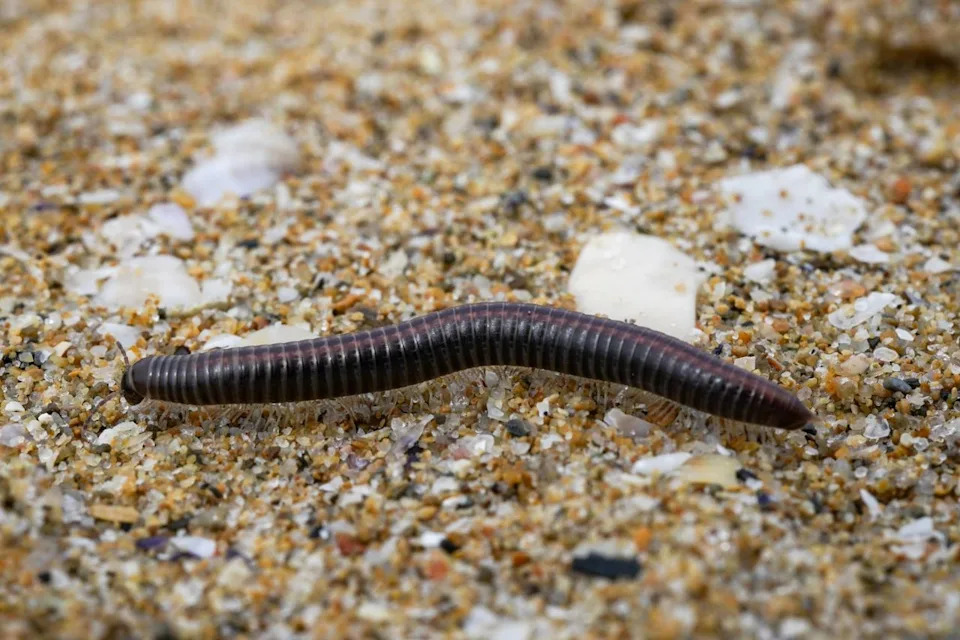
Centipede (stock image)
He added, “But larvae are so tiny and fragile, the chances of finding one fossilized are practically zero — or so I thought! I already knew that this simple worm-like fossil was something special, but when I saw the amazing structures preserved under its skin, my jaw just dropped — how could these intricate features have avoided decay and still be here to see half a billion years later?”
Advertisement
Advertisement
Dr. Katherine Dobson of the University of Strathclyde, one of the study’s co-authors, said that the “incredibly tiny larva” had “achieved almost perfect preservation.”
The PEOPLE Puzzler crossword is here! How quickly can you solve it? Play now!
The fossil will hopefully help scientists trace the development of modern-day arthropods, and reveal how their simpler ancestors developed the complex anatomies of the creatures that exist today.
The specimen is currently housed at Yunnan University in China, where it was originally discovered.
Read the original article on People