This post was originally published on here
Italian scientists are pioneering a novel approach to sustainable snacking, developing sweet treats from lab-grown plant cells and fruit residues that can be 3D-printed into nutritious ‘pastries’.
This innovative project, dubbed Nutri3D by the public research agency ENEA, aims to push culinary boundaries despite Italy‘s rich gastronomic heritage recently gaining UNESCO status.
Prototypes emerging from the initiative include snack bars and glistening “honey pearls,” meticulously designed to retain both flavour and vital nutritional value.
Silvia Massa, who heads ENEA’s Agriculture 4.0 lab, explained the driving force behind the research.
“In a world where arable land is shrinking and climate change forces us to rethink food production, the goal is to keep making what we are used to eating,” she stated, adding that the objective “is not to grow the plant itself, but its cells.”
This forward-thinking endeavour follows similar efforts in Northern Europe, where Finnish labs have produced fruit compotes from cell cultures and researchers in Zurich have developed cocoa-like flavourings.
“We Italians add creativity, combining cellular food with recovered by-products,” Massa said, referring to the fruit residues from jam production for example.
The project is run with EltHub — an Italian private technology R&D firm that is part of ELT Group — and Rigoni di Asiago, a family-owned company specialising in organic food products.
At EltHub in the central region of Abruzzo, ENEA’s plant-based “inks” are shaped using a 3D printer.
An ENEA survey found 59 per cent of respondents were willing to try such foods.
The technology could also be useful in resource-scarce settings, such as space or in conflict zones, said EltHub director Ermanno Petricca, dubbing the snacks “fruit for astronauts”.
ENEA is also testing microgreens and nano-tomatoes for space cultivation.
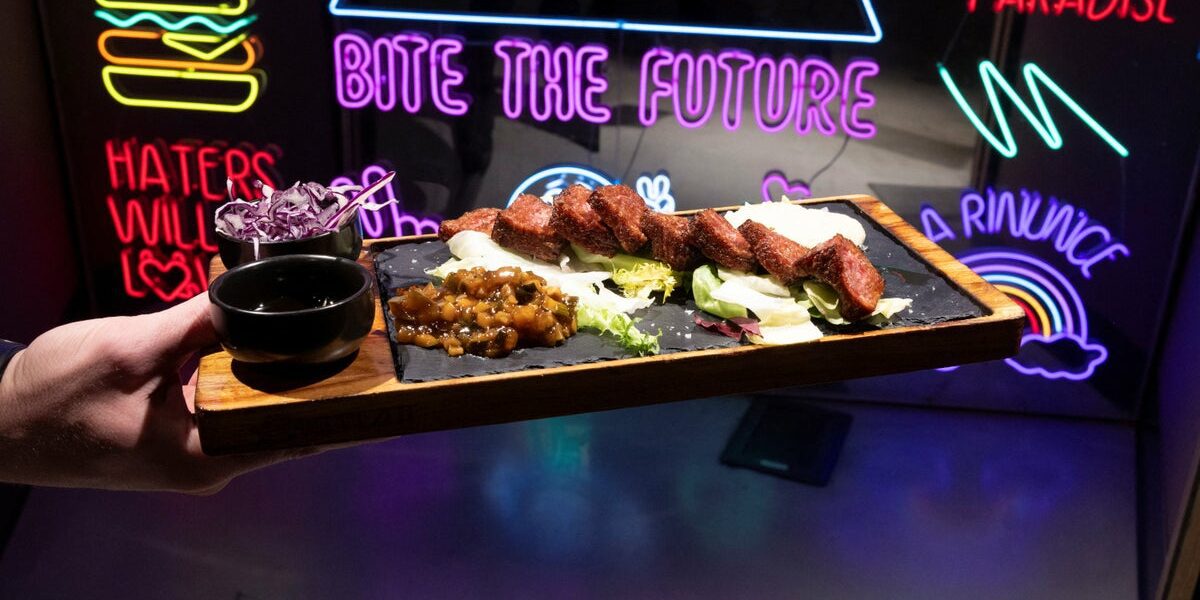
On Earth, 3D food printing could enable tailored nutrition for people with dietary restrictions. A plant-based steakhouse in Rome, Impact Food, is already offering 3D-printed sliced meat on its menu.