This post was originally published on here
The news cycle is dominated by immediate crises: wildfires, heatwaves, and geopolitical conflicts. Yet, beneath the headlines, scientists are engaged in a constant, anxious surveillance of the planet’s structural weak points, monitoring slow-motion catastrophes that could dramatically reshape life on Earth. These aren’t the fictional doomsday scenarios of Hollywood; they are real, verifiable zones of ecological, geological, and climate vulnerability nearing critical thresholds.
These 15 places represent the fragile edges of our world—from ice sheets the size of continents to underwater mountains—where a final “snap” could trigger cascading global consequences. Here are the spots scientists are quietly watching, dreading the moment the tipping point is finally reached.
1. The Thwaites Glacier, Antarctica
Shutterstock
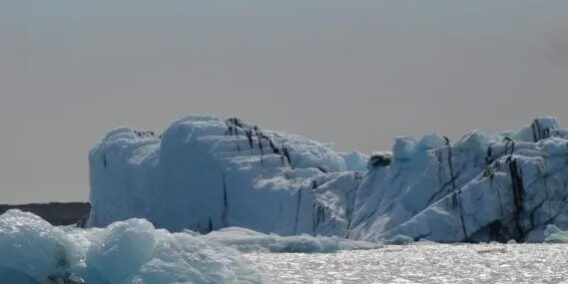
Dubbed the “Doomsday Glacier,” the Thwaites Glacier in West Antarctica is one of the single most worrying ice structures on the planet due to its immense size and instability. It is currently melting faster than predicted, largely because warm ocean currents are eroding its grounding line, the point where the ice meets the seabed. If Thwaites fully collapses, it is projected to raise global sea levels by nearly two feet, a catastrophic change for coastal cities.
Advertisement
Advertisement
A 2024 study published in Nature Geoscience revealed that the supporting ice shelf is riddled with cracks and warming from below, speeding up the melt process dramatically. Scientists fear a nonlinear collapse, meaning the breakup could occur suddenly and without much warning, pushing global sea-level rise well past the point of mitigation. This event would also destabilize the wider West Antarctic Ice Sheet, effectively locking in an even greater rise.
2. The Amazon Rainforest’s “Dieback” Zone
Shutterstock
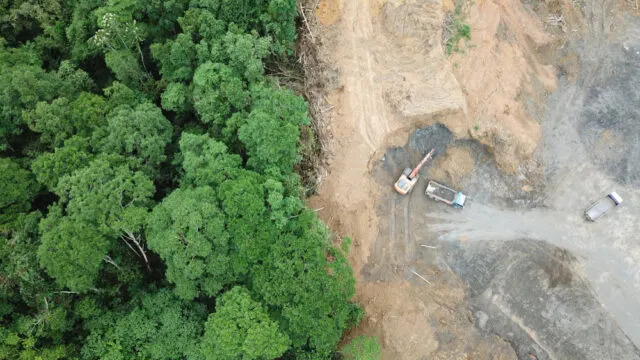
The western and southern portions of the Amazon rainforest are dangerously close to a critical tipping point known as “dieback,” where drought and deforestation cause the ecosystem to shift irreversibly. If precipitation levels drop too low, the forest will cease to create its own rain and rapidly degrade into a dry, carbon-releasing savannah. This would release billions of tons of carbon stored in the atmosphere, thereby rapidly accelerating global warming.
Research from the University of Brasília indicates that 25% of the Amazon is already exhibiting signs of this transition, characterized by increased tree mortality and reduced canopy density. The loss of the world’s largest rainforest would not just be an ecological tragedy but a global climate catastrophe, affecting weather patterns far beyond South America.
3. The Himalayan Glacial Lakes
Shutterstock
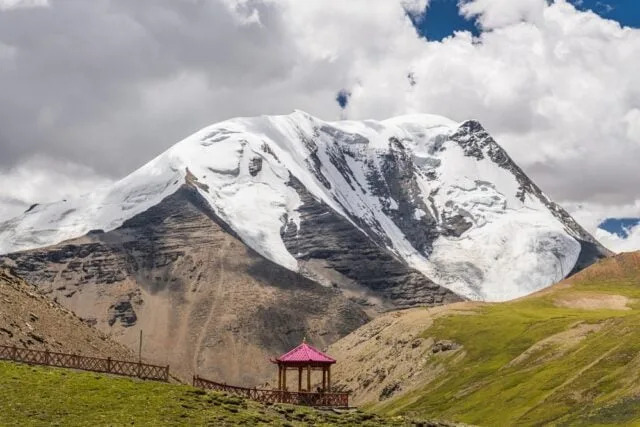
The rapid melting of Himalayan glaciers due to climate change is creating massive lakes that are held back by unstable walls of glacial debris, known as moraine dams. These moraine-dammed lakes are swelling rapidly and are at high risk of Glacial Lake Outburst Floods (GLOFs). A failure would unleash a devastating wall of water and debris on downstream communities in Nepal, Bhutan, and India.
Advertisement
Advertisement
These GLOFs are a silent, pending disaster for millions living along river valleys. The geological instability of the dams, combined with the sheer volume of meltwater being collected, makes these lakes ticking time bombs that could collapse in the next severe rain event.
4. The Permafrost of Siberia and Alaska
Shutterstock
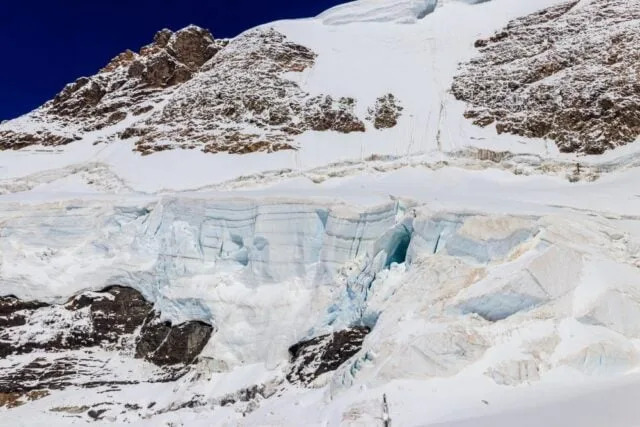
Vast swaths of Siberia and Alaska are covered by permafrost, ground that has remained frozen for thousands of years, trapping enormous quantities of carbon dioxide and methane. As global temperatures rise, this ancient ground is thawing rapidly, releasing these powerful greenhouse gases into the atmosphere. This process creates a terrifying feedback loop, where warming causes more permafrost melt, which causes more warming.
A 2023 study by Arctic researchers found that the rate of methane release is accelerating far faster than initial models predicted. Scientists worry about an uncontrolled, explosive release of methane, a gas 80 times more potent than CO2 in the short term, that could push the planet into a much hotter, less stable climate regime.
5. The Yellowstone Caldera
Shutterstock
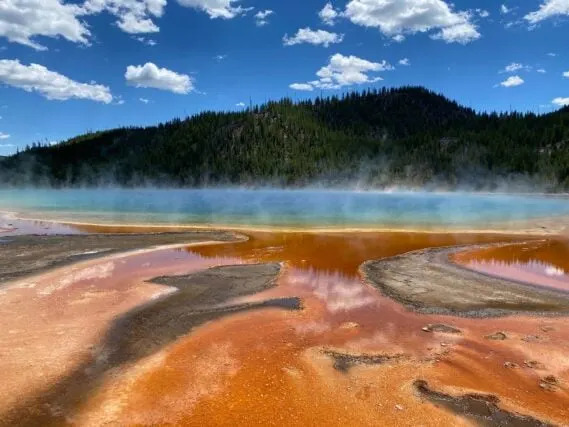
The Yellowstone supervolcano is one of the world’s largest volcanic systems. While geologists insist a major, catastrophic eruption is not imminent, the continuous monitoring of the caldera remains a source of deep, quiet worry. A super-eruption, though incredibly rare, would devastate the North American continent and trigger a global “volcanic winter.” The caldera floor rises and falls, a constant reminder of the immense magma chamber beneath the park.
Advertisement
Advertisement
While the probability of an eruption in our lifetime is very low, the sheer magnitude of the consequence—covering half the United States in ash and impacting global food supply—makes it a persistent, low-grade fear for geophysicists. Research into the park’s underground plumbing continues to refine the understanding of its explosive potential.
6. The Coral Reef Ecosystems
Shutterstock
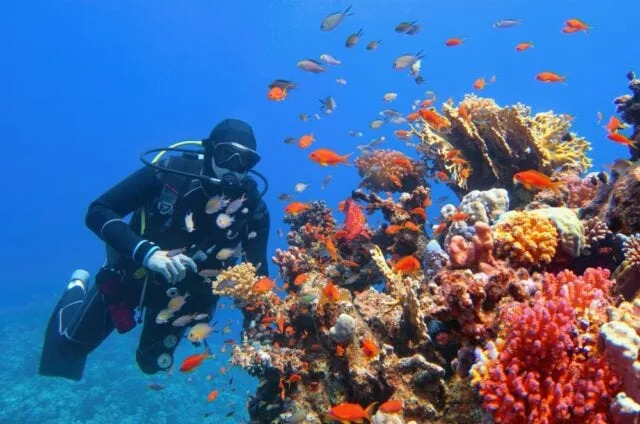
The world’s coral reefs, including the Great Barrier Reef, are rapidly succumbing to mass bleaching events caused by rising ocean temperatures and ocean acidification. These complex ecosystems, which support a quarter of all marine life, are suffering rapid mortality. If reef structures collapse, it will result in devastating losses of marine biodiversity and significantly impair coastal protection.
The current rate of bleaching is unsustainable, with recent events indicating poor recovery, suggesting that the reefs are nearing functional collapse. The loss of these vibrant underwater cities would eliminate vital fishing industries and leave coastlines exposed to massive storm surges.
7. The North Atlantic Current (AMOC)
Shutterstock
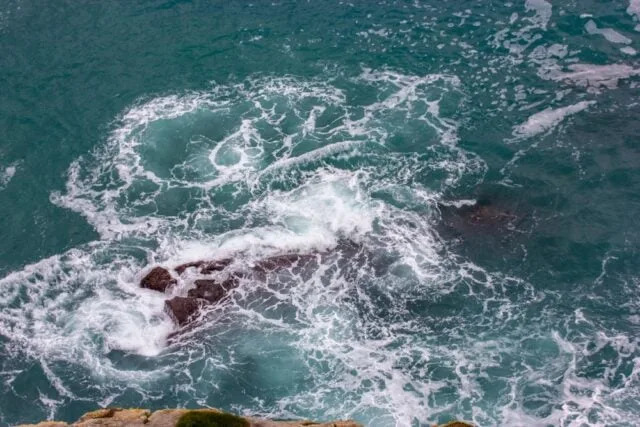
The Atlantic Meridional Overturning Circulation (AMOC) is a powerful system of ocean currents, including the Gulf Stream, that acts as a vast climate regulator, distributing heat from the tropics toward the North Atlantic. Climate scientists are worried that the massive inflow of cold, fresh water from melting Greenland ice could disrupt the AMOC, causing it to slow down or even collapse.
Advertisement
Advertisement
A collapse of the ocean conveyor belt would significantly alter weather patterns across the Northern Hemisphere, potentially causing rapid cooling and more intense storm systems in Europe and North America. The potential for sudden, drastic climate shifts makes the AMOC one of the most frightening “unknowns” in the climate system.
8. The Submarine Landslides off the Canary Islands
Shutterstock
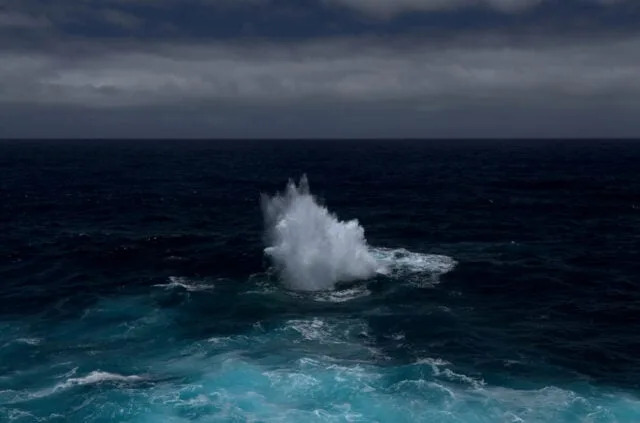
Off the coasts of volcanic islands like the Canaries, immense masses of rock and earth are gradually sliding down the submarine slopes. A catastrophic, rapid failure of one of these underwater mountainsides could trigger a massive tsunami, often referred to as a “megatsunami.” Such an event would send devastating waves across the Atlantic basin.
The constant gravitational pull on these unstable slopes means the risk is always present, though it is impossible to predict precisely. Geologists use highly sophisticated sonar mapping to monitor the subtle movements of these vast rock masses.
9. The West African Sahel
Shutterstock
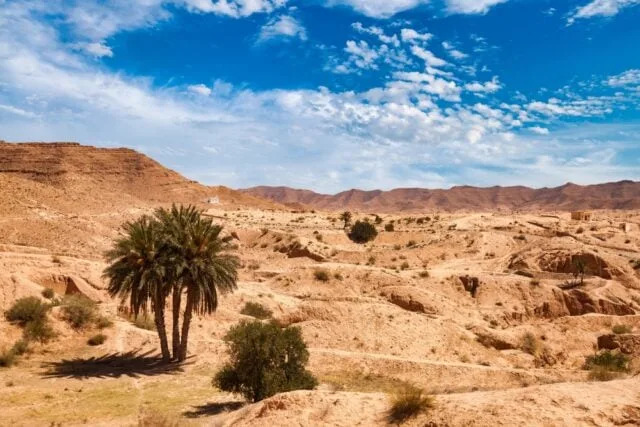
The Sahel region, a transition zone between the Sahara Desert and the Sudanian Savanna, is experiencing catastrophic desertification driven by climate change and intensive land use. This ecological collapse, which transforms fertile land into desert, is driving mass migration, resource conflicts, and widespread humanitarian crises. The land’s capacity to support human life is rapidly degrading.
Advertisement
Advertisement
The complete collapse of the Sahel’s ecology would displace tens of millions, creating profound regional instability and exacerbating global climate refugee crises. The land itself is quietly failing to sustain the massive population that relies upon it.
10. The East Siberian Arctic Shelf Methane Hydrates
Shutterstock
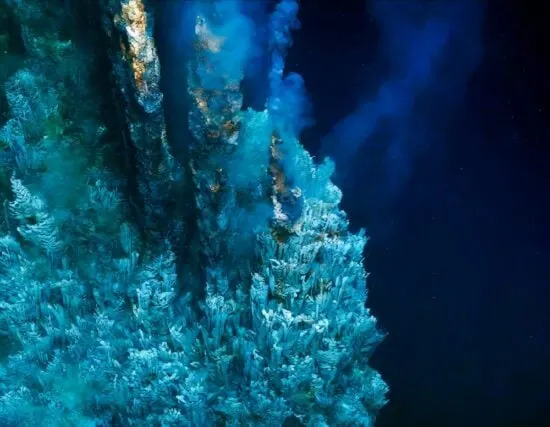
Similar to the permafrost, the seabed of the shallow East Siberian Arctic Shelf contains vast quantities of frozen methane locked in icy structures called hydrates. Warming ocean waters are destabilizing these hydrates, and methane is visibly bubbling through the water column. The amount of methane stored here is staggering.
Scientists warn that rapid destabilization could lead to a massive, localized release of methane, potentially triggering a short-term, rapid global temperature spike. This area is considered one of the planet’s most dangerous climate wild cards.
11. The San Andreas Fault System
Shutterstock
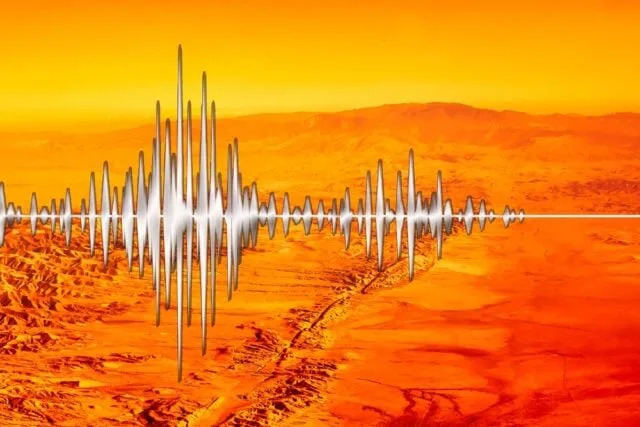
The San Andreas Fault in California is not collapsing, but it is constantly accumulating seismic strain, leading to the quiet, constant worry about the “Big One.” Geologists know that the southern portion of the fault is overdue for a massive, catastrophic earthquake of magnitude 7.0 or greater. The immense population living directly on or near the fault lines makes the consequence unimaginable.
Advertisement
Advertisement
While the timing is uncertain, the geological certainty of a major quake makes this entire region a constant source of anxiety for civil engineers and emergency planners. The fault is a colossal spring, constantly tightening and waiting for release.
12. The Athabasca Oil Sands Groundwater
Shutterstock
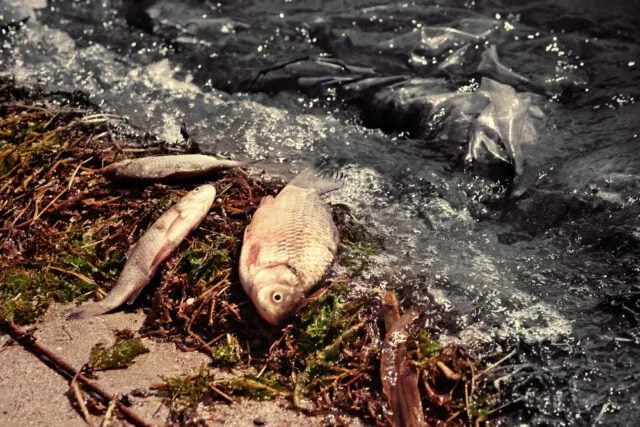
In Alberta, Canada, the massive operation to extract oil from the Athabasca oil sands has created enormous, toxic tailings ponds filled with contaminated water. The integrity of the large earthen dams that contain these vast liquid-waste repositories is a persistent environmental concern. A failure would catastrophically pollute the vast river systems leading to the Arctic Ocean.
Environmental engineers are aware that any major breach—caused by extreme weather, geological shift, or human error—would unleash one of the worst environmental disasters in North America. The sheer volume of toxic material makes the containment a permanent, low-level crisis.
13. Venice’s Structural Integrity
iStock
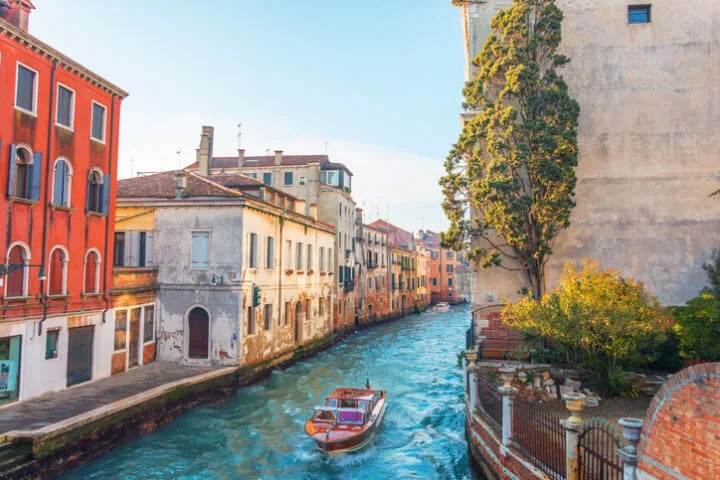
The ancient Italian city of Venice is sinking, a process exacerbated by rising sea levels and the ongoing withdrawal of groundwater. Despite the deployment of the MOSE flood barrier system, the fundamental structural integrity of the city, which is built on wooden pilings, is constantly compromised by increased saltwater exposure. The entire city is slowly, inevitably becoming submerged.
Advertisement
Advertisement
While Venice will not collapse suddenly, the ongoing failure of its historic foundations and the increasing frequency of major floods mean its life as a functioning, land-based city is slowly drawing to a close. Its future is as a partial, permanent relic of the past.
14. Mount Vesuvius’s Magma Chamber
iStock
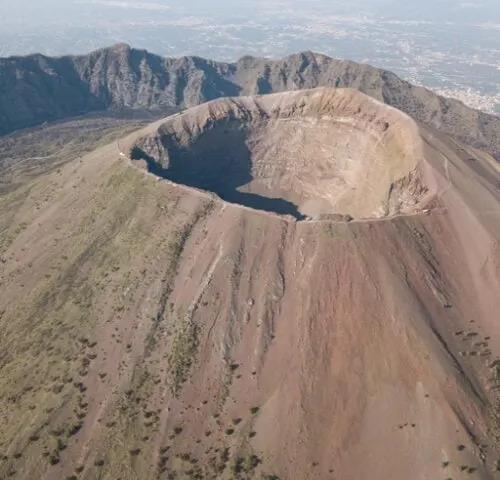
Vesuvius, the active volcano looming over Naples, Italy, is a heavily populated danger zone. The volcano’s magma chamber is continually monitored because its next major eruption is guaranteed to put millions of people at risk. The density of the surrounding population makes a collapse of the current lull period a humanitarian nightmare.
Geological pressure is increasing, and although scientists can track seismic activity, the exact mechanism and timing of the next devastating event remain unknown. The world is quietly concerned about the safety of one of Europe’s most densely populated, geologically active regions.
15. The Great Salt Lake, Utah
Shutterstock
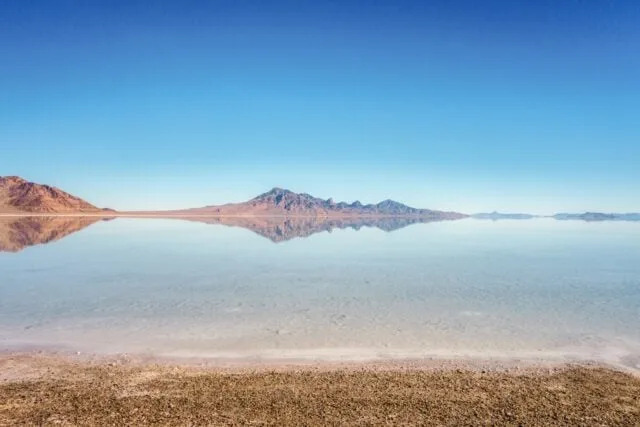
The Great Salt Lake, a vast terminal lake in the Western United States, is rapidly drying up due to drought and water diversion, exposing massive tracts of lakebed. This exposed dust is laced with toxic heavy metals, including arsenic, that are now being carried by winds across the Salt Lake Valley. The ecological collapse of the lake is creating a public health crisis.
If the lake continues to collapse, the resulting “arsenic dust bowl” could render the valley uninhabitable, causing profound economic and environmental disaster for the entire region. The lake’s slow demise is a warning about water misuse in the arid West.