This post was originally published on here
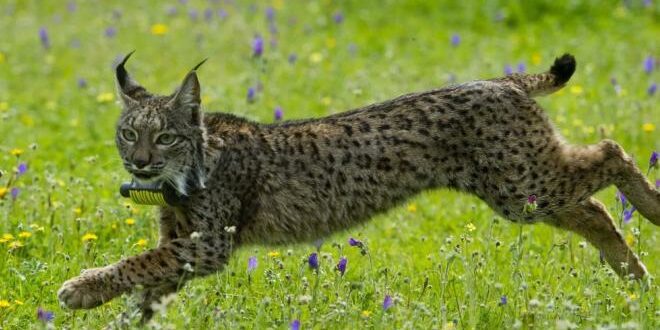
Science continues to advance by leaps and bounds. This has been demonstrated by what a group of scientists has achieved, as they have managed to produce for the first time Iberian lynx embryos in a laboratory using reproductive cells from females that died in accidents with sperm cryopreserved in the species’ biobank. Thanks to this, it could guarantee the genetic preservation of this type of animal. The research was published in the journal Theriogenology Wild.
The Iberian lynx is an endemic species of the Iberian Peninsula that in just 20 years went from having less than 100 specimens in the wild to more than 2,000 in 2024, according to data from the Ministry for Ecological Transition and Demographic Challenge. In other words, it went from being endangered to vulnerable.
Sea lion appears 50 kilometers off the coast in Chile
This is how scientists carried out the study with Iberian lynxes
The study was led by researchers from the National Museum of Natural Sciences (MCN) of the Spanish National Research Council (CSIC) and the Faculty of Veterinary Medicine at the Complutense University of Madrid (UCM). The species, due to the loss of genetic diversity, is at risk of inbreeding (relating only to specimens of common ancestry), which complicates its chances of survival because this causes disease.
To achieve the aforementioned results, the team obtained the male reproductive material, collecting and cryopreserving sperm from some species in Spain and Portugal, storing them in the MNCN’s Wild Germplasm and Special Tissues Bank.
The female material was obtained from the Wildlife Recovery Centres that support the lynx conservation programme. With both samples, the researchers refrigerated the ovaries to obtain maturation in oocytes, fertilising them to generate embryos that were cryopreserved by vitrification and are currently in the MNCN biobank
The experts in this study say that the data are “initial” and “improvable”, but they confirm that reproductive biotechnology may be key in the future to conserve and ensure the generic sustainability of the Iberian lynx in the long term.