This post was originally published on here
The US is moving closer to a future without animal testing. The Food and Drug Administration (FDA) has released new draft guidance for a type of medical treatment known as monoclonal antibodies, used for diseases like breast cancer and melanoma, stating that developers may no longer need to rely on animal toxicity studies when sufficient, relevant human-based data is available.
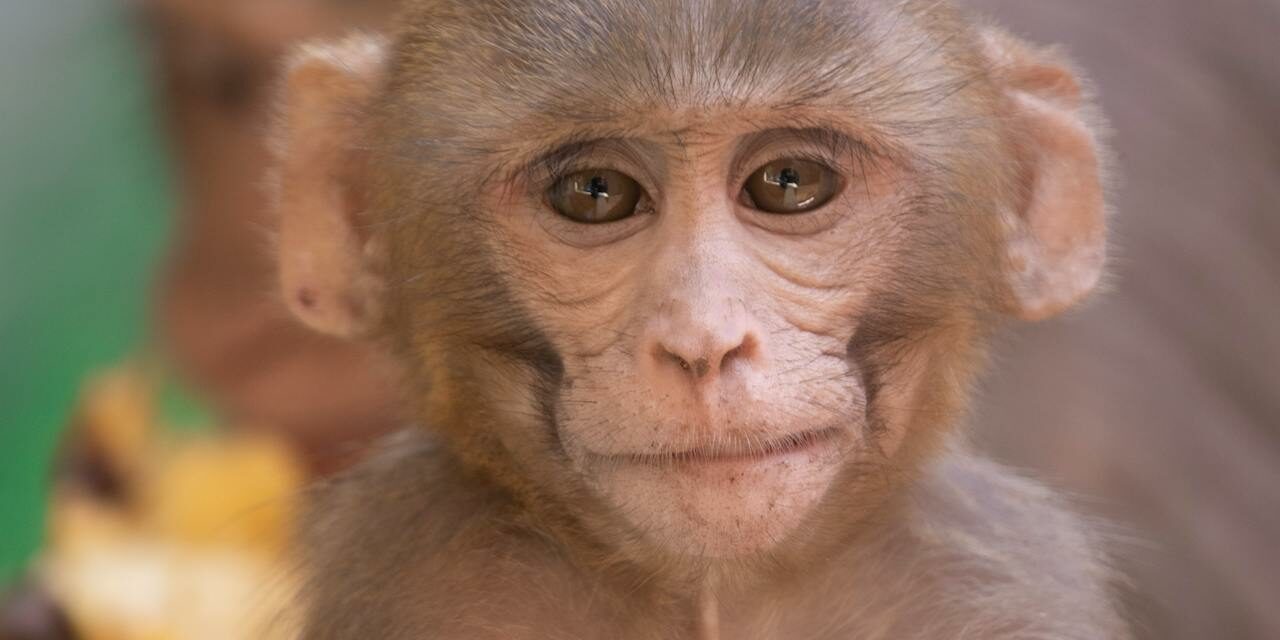
Currently, primates—usually macaque monkeys—are used in monoclonal antibody drug testing. In fact, a single nonclinical program can involve more than 100 monkeys. This raises serious ethical concerns and is also costly, with each macaque estimated to cost around $50,000.
Under the new guidance, the FDA will instead incorporate risk assessments centered on human-based models, such as computer modeling and organ-on-chip technology.
Pexels
The move follows the FDA’s Roadmap to Reducing Animal Testing in Preclinical Safety Studies report, released in April 2025. Many experts maintain that human-based models will be more effective in the long run. While macaques and humans are both primates, they are different species with key biological and genetic differences—meaning some drugs may affect a monkey very differently than they would a human.
In fact, according to Animal Free Research UK, around 92 percent of drugs fail in human clinical trials despite showing success in animal tests.
 Unsplash
Several US-based advocacy organizations have praised the FDA’s new draft guidance. “The FDA is signaling a willingness to rethink long-standing assumptions about animal testing,” said Wayne Pacelle, president of Animal Wellness Action and the Center for a Humane Economy.
“Animal models routinely fail to predict human responses, yet they have remained entrenched in the regulatory system because of regulatory inertia and corporate familiarity,” he added. “This is a concrete and potentially game-changing move toward a more humane and scientifically grounded system.”
A wider move away from animal testing
The news from the US follows similar developments in the UK. Patrick Vallance, the UK’s science minister, recently announced a new roadmap to phase out animal testing in the country. Like the FDA’s guidance, the roadmap emphasizes greater use of human-centered approaches, including organ-on-chip technology and artificial intelligence models.
“Nobody in our country of animal lovers wants to see suffering, and our plan will support work to end animal testing wherever possible and roll out alternatives as soon as it is safe and effective to do so,” Vallance said in a statement. “This is a roadmap which will ensure government, businesses, and animal welfare groups can work together to find alternatives to animal testing faster and more effectively.”
Advocates have welcomed the announcement as another sign that a more humane future for science may be within reach.
“It is a strong step forward and shows that the government is listening to scientists and the public, to uphold its own promise to work towards phasing out animal experiments,” said Emma Grange, Director of Science and Regulatory Affairs for Cruelty Free International.
For more plant-based stories like this, read:

Charlotte is a VegNews editor and writer based in sunny Southsea on England’s southern coast.