Japanese encephalitis virus (JEV) has been detected in mosquitoes in regional Victoria for the first time this summer.
An outbreak of JEV in Australia occurred in 2022 and the virus has been circulating since then.
CSIRO scientists are investigating why JEV is still circulating in Australia.
Since the widespread outbreak of Japanese encephalitis virus (JEV) in south-eastern Australia in 2022 — resulting in severe disease and fatalities in both humans and animals — the virus has continued to circulate in the south-eastern states and in northern Australia.
What is Japanese encephalitis virus?
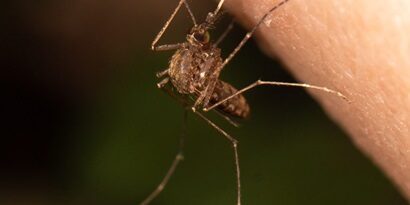
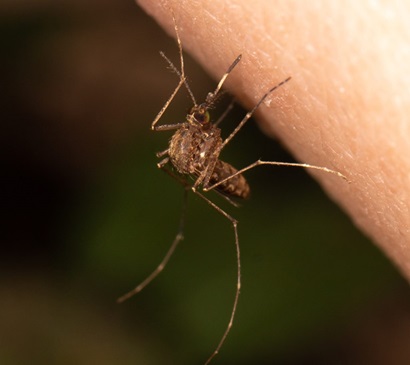
Culex mosquitoes are the primary vectors of Japanese encephalitis virus in Australia.
Dr David Williams is a Japanese encephalitis expert.
“Japanese encephalitis is a mosquito-borne disease that is caused by the virus of the same name. Infected mosquitoes spread the virus by feeding on susceptible animal hosts such as pigs or waterbirds. Uninfected mosquitoes then become infected when they bite these animals. Humans and other animals can be infected when they get bitten by infected mosquitoes,” Dr Williams said.
“Most people who contract JEV will have no symptoms or experience a very mild illness and recover. In a small number of cases (less than one per cent), the virus can cause encephalitis. This is an inflammation of the brain, which unfortunately, may lead to death or permanent disability.
“JEV does not spread directly from infected animals to people, or from person to person. It is also not a food safety concern. Commercially produced pork meat and pork products are safe to eat,” he explained.
How does it spread?
Dr Prasad Paradkar is a vector-borne disease expert. He said JEV is maintained in the environment through a transmission cycle between mosquitoes and animal hosts.
“Our recent research has shown that Australian Culex annulirostris, also known as the common banded mosquito, can transmit the virus very efficiently,” he said.
This likely contributed to the rapid spread of the outbreak in south-eastern Australia in 2022.
“Migratory waterbirds, such as herons and egrets, act as ‘reservoir hosts’ for the virus. JEV can replicate in these birds, usually without causing disease,” Dr Paradkar said.
“It’s thought that infected migratory waterbirds spread the virus over long distances by following river courses and waterways. When these infected birds arrive in a new location, they are fed on by local mosquitoes. These infected mosquitoes can then transmit the virus to humans and animals.
“Pigs are considered ‘amplifying hosts’. This means they produce high amounts of virus in their blood, which can be transmitted to biting mosquitoes.
“Humans and horses are known as ‘dead-end hosts’. This means the virus doesn’t replicate to high enough levels in their blood to infect biting mosquitoes,” he explained.
Why does it keep coming back?
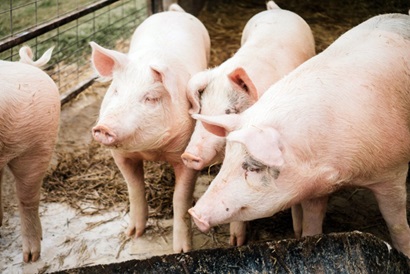
Pigs are a key amplifying host for Japanese encephalitis virus, which can spread to humans via mosquito bites.
JEV is responsible for around 100,000 human cases globally each year, resulting in approximately 25,000 deaths. JEV is present throughout Asia and parts of the western Pacific, including Papua New Guinea. It is the most common cause of human viral encephalitis in Southeast Asia.
The outbreak in 2022 was the first major outbreak on mainland Australia, linked to a new virus genotype, which caused 41 confirmed human cases including six deaths. Piggeries in the south-eastern states were also significantly impacted during this outbreak, with JEV infection confirmed in over 80 farms and major production losses due to widespread abortions in sows.
JEV has also been detected in feral pigs from the Northern Territory and Northern Queensland.
JEV is now considered endemic to Australia and has been detected almost every year. The human case numbers dropped off in the year after the initial outbreak, but in the 2024-25 summer, Australia had nine human cases, including five deaths, as well as over 20 infected pig farms.
This summer (2025-26), there has already been a detection of the virus in mosquitoes — a first this early in the season. The virus was found in mosquitoes trapped in the Horsham Rural City Council area in Victoria as part of routine surveillance.
“Culex mosquitoes, the major virus transmitters, breed in stagnant or slow-moving waterbodies. With climate change driving increases in the frequency, intensity and duration of extreme weather events, including rainfalls and floods, virus transmission is likely to continue in the coming years,” Dr Paradkar explained.
How the virus persists in the environment during colder months remains uncertain. Researchers believe it may survive through mosquitoes, waterbirds or feral pigs, but the exact mechanism is still not fully understood.
How to stay safe
There are several ways to protect yourself from JEV infection.
Firstly, protect yourself from mosquito bites. Use a repellent like Aerogard , stay indoors at dawn and dusk and wear long, loose-fitting clothing when outside. Keep mosquitoes out of the home by covering windows and doors with insect screens. If this isn’t possible, consider sleeping under a mosquito net.
Try to prevent mosquitoes from breeding around the home. Remember to empty any containers with water collecting in them where mosquitoes love to breed. It’s important to empty bird baths, chook water and pot plant bases once per week.
Vaccination against JEV infection is safe and effective. Contact your local public health authority to check whether you should receive the JEV vaccine to help protect against the disease.
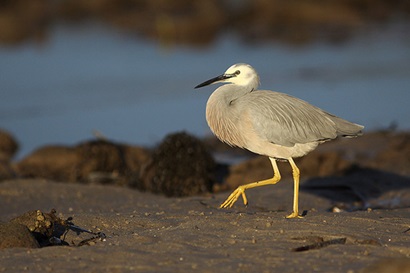
Waterbirds act as natural reservoirs for Japanese encephalitis virus.
How CSIRO is helping
CSIRO scientists at ACDP are heavily involved in Australia’s response.
They are supporting affected states and territories through diagnostic testing for outbreaks and surveillance programs and conducting field surveys at commercial piggeries and surrounding wetlands to identify other mosquito species involved in the transmission of this virus.
CSIRO is also providing information and advice to animal and public health laboratories on laboratory diagnostics including testing guidelines.
Its researchers are working with other scientists around the country to monitor how the virus genome is evolving over time. This is important for accurate diagnostic testing and to understand patterns of virus movement and spread.
CSIRO is collaborating with scientists overseas to understand how JEV causes reproductive disease in pregnant sows.
CSIRO is providing expert scientific advice to government and animal health working groups involved in the outbreak response and surveillance. These groups are collaborating closely with public health authorities under an One Health approach to coordinate and manage the situation.
In addition, CSIRO scientists have been working in Papua New Guinea to establish JEV surveillance systems, also using the One Health framework .