This post was originally published on here
University of Houston researchers have identified a key cellular pathway involved in muscle wasting caused by pancreatic cancer, offering new insights into potential therapies.
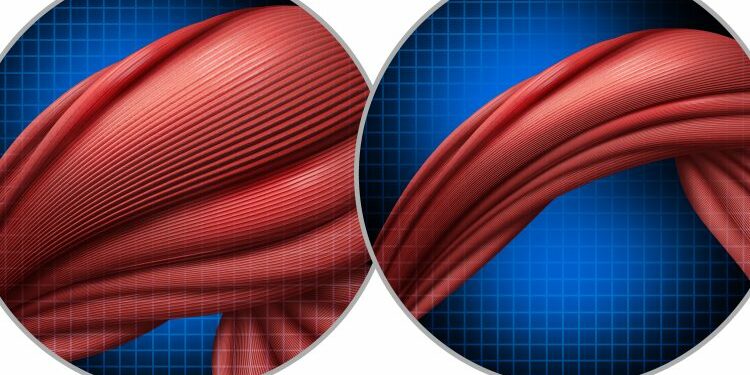
In a new study, scientists from the University of Houston College of Pharmacy report that blocking a specific cellular pathway may offer a new therapeutic strategy to prevent or reduce muscle wasting caused by pancreatic cancer-induced cachexia. Cachexia is a complex and debilitating syndrome characterised by the progressive loss of skeletal muscle mass and strength, affecting between 60 percent and 85 percent of people diagnosed with pancreatic cancer.
Understanding cancer cachexia
Cancer cachexia is not simply the result of poor nutrition. Instead, it arises from extreme metabolic changes driven by cancer, leading to accelerated muscle breakdown and reduced muscle protein synthesis. This muscle loss significantly reduces quality of life, limits patients’ ability to tolerate treatment and exacerbates poor survival outcomes.
Cellular pathways play a crucial role in these processes. Often described as emergency alert systems within cells, these networks of molecules receive stress signals and coordinate responses aimed at maintaining cellular balance. However, when dysregulated, they can contribute to disease.
Identifying a key molecular pathway
At UH, Ashok Kumar, Else and Philip Hargrove Endowed Professor of Drug Discovery and director of The Institute for Muscle Biology and Cachexia, has identified one such pathway that appears to drive muscle deterioration in pancreatic cancer.
“We show that the IRE1α/XBP1 pathway is a key contributor to muscle wasting,” Kumar said. “Skeletal muscle-specific deletion of the XBP1 transcription factor significantly attenuates pancreatic tumour-induced muscle deterioration.”
The IRE1α/XBP1 pathway functions within the endoplasmic reticulum, a central cellular structure responsible for producing proteins and lipids. In pancreatic cancer, muscle wasting largely results from increased protein degradation combined with diminished protein production, leading to an overall loss of muscle protein.
Broader implications for muscle biology
According to the researchers, the impact of the IRE1α/XBP1 pathway extends beyond a single mechanism. Their findings suggest it influences several biological processes that collectively contribute to skeletal muscle wasting.
“Our results also show that the IRE1α/XBP1 axis regulates multiple mechanisms that have a causative role in skeletal muscle wasting. Future studies will determine whether similar mechanisms are involved in muscle wasting in other models of cancer cachexia and pancreatic cancer patients,” said Kumar.
These insights open the door to exploring whether targeting this pathway could help patients with other forms of cancer-associated muscle loss.
Links to cancer progression and treatment resistance
While the current study focuses on muscle tissue, the IRE1α/XBP1 pathway is also known to affect tumour growth, cancer progression and resistance to chemotherapy. This raises important questions about its wider role in pancreatic cancer biology.
“The role of this pathway in the regulation of pancreatic cancer cell survival, especially in response to chemotherapeutic agents, needs further investigation,” said Kumar.
Together, these findings highlight a promising new direction for research into therapies that could alleviate muscle wasting while also informing future strategies for improving pancreatic cancer treatment outcomes.