This post was originally published on here
A hidden cellular cleanup system may hold the key to healthier tear glands—and new hope for treating dry eye disease.
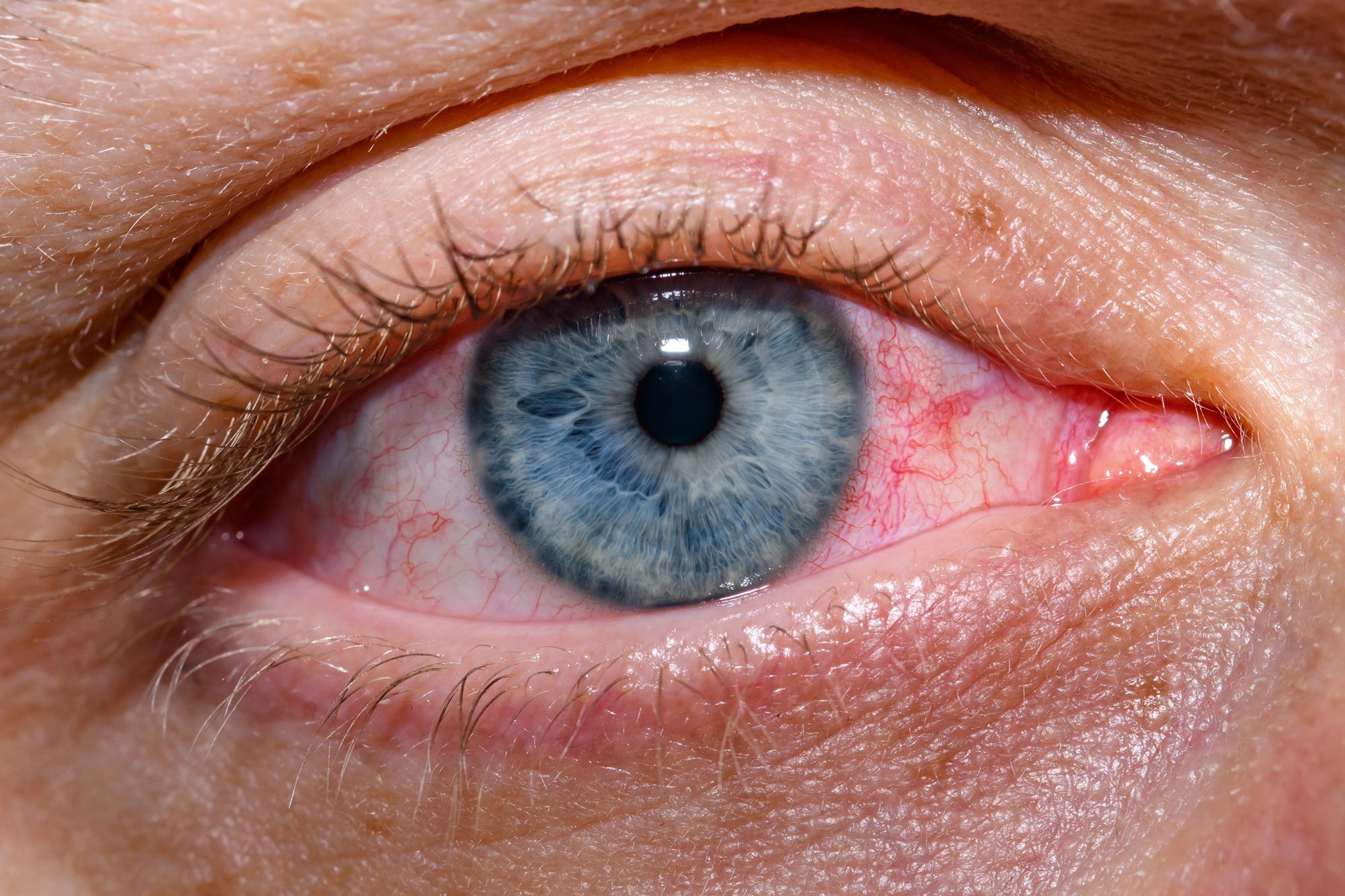
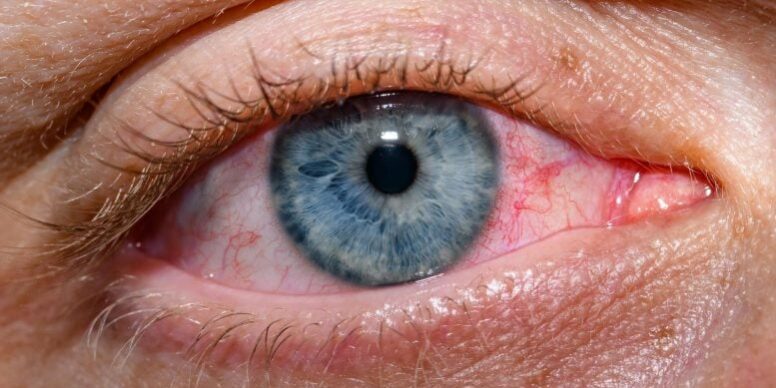
Roughly 5 to 15 percent of people experience dry eye problems, a condition marked by symptoms such as redness, stinging or burning sensations, and tired, uncomfortable eyes. Dry eye disease (DED) develops when the tear glands fail to produce enough tears or when the tears lack proper quality. This breakdown can be linked to factors such as allergies, autoimmune disorders, hormonal shifts, aging, and other influences.
If the condition is not treated, dry eyes can raise the risk of eye infections and cause damage to the surface of the eye, potentially leading to vision impairment.
A Cellular Cleanup Process May Play a Key Role
Scientists suspect that a fundamental cellular process called autophagy is disrupted in the tear glands of people with DED. Autophagy acts as a cleanup system inside cells, removing damaged proteins and other unwanted material so cells can function properly.
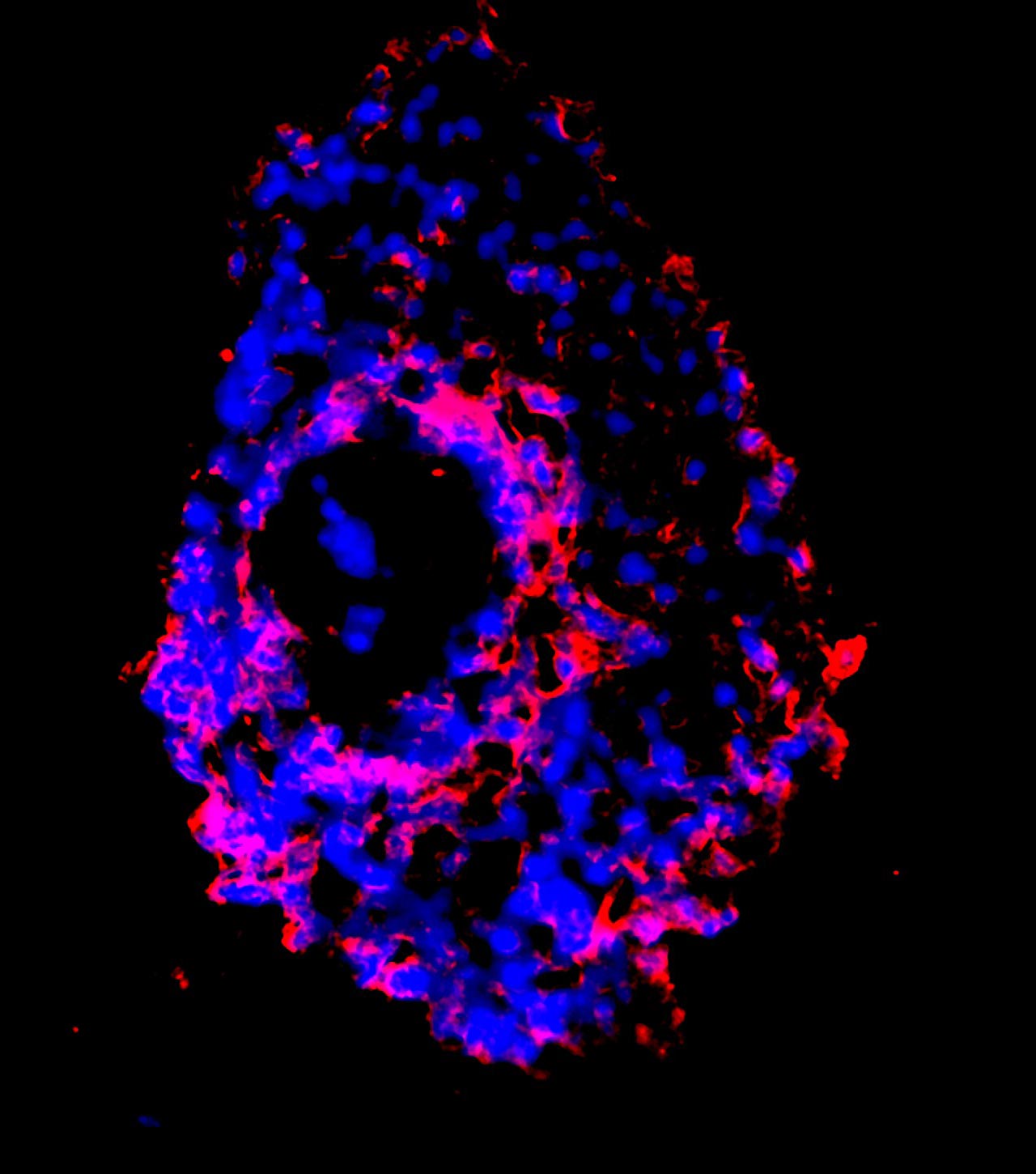
To explore how this process is connected to dry eye disease and to identify possible new treatment strategies, Sovan Sarkar and his research team at the University of Birmingham in the UK created tear gland organoids from stem cells. These lab-grown, three-dimensional structures closely resemble human tear glands. Their findings were recently reported in Stem Cell Reports.
Lab-Grown Tear Glands Reveal What Goes Wrong
The stem cell-derived organoids contained the full range of cell types normally found in human tear glands and were able to produce tear proteins that help lubricate the eye and protect it from infection. When the researchers used a genetic technique to switch off autophagy in these organoids, the results were striking. The normal balance of cells was disrupted, tear protein production dropped, and more cells died.
However, when the researchers treated the autophagy-deficient organoids with nicotinamide mononucleotide (NMN) or melatonin, the damage was reduced. These compounds helped limit cell death and restored the release of tear proteins in the model.
Why Autophagy Matters for Tear Gland Health
“Autophagy is essential for proper tissue development and organ function. Here, we provide genetic evidence that autophagy is required for glandular tissue development by using autophagy-deficient human embryonic stem cells to generate tear glands with developmental and functional defects,” Sovan Sarker said.
The newly developed human stem cell-based tear gland model gives researchers a practical and accessible way to investigate how tear glands work and how their function might be adjusted. This approach could ultimately support the development of new methods to prevent or treat dry eye disease.
Reference: “Autophagy is required for the development and functionality of lacrimal gland-like organoids” 18 December 2025, Stem Cell Reports.
Never miss a breakthrough: Join the SciTechDaily newsletter.
Follow us on Google and Google News.