This post was originally published on here
In the early 1960s, a young Pakistani scientist, Manzoor A. Bajwa, trained at CIMMYT under the mentorship of Nobel Laureate Norman Borlaug. That experience led him to identify MexiPak, a wheat line suitable for chapati making in Pakistan. The widespread adoption of this variety helped usher in Pakistan’s Green Revolution.
Six decades later, this tradition of knowledge sharing continues. CIMMYT scientists regularly engage with universities, students, and researchers across South Asia to strengthen human resources, improve crop research, and foster innovation within seed systems.
Strengthening academic partnerships in Pakistan
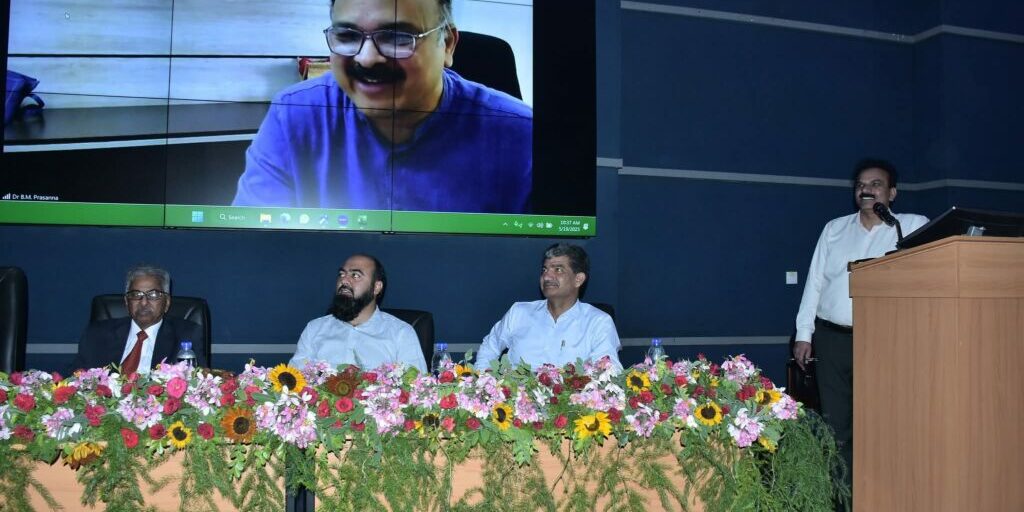
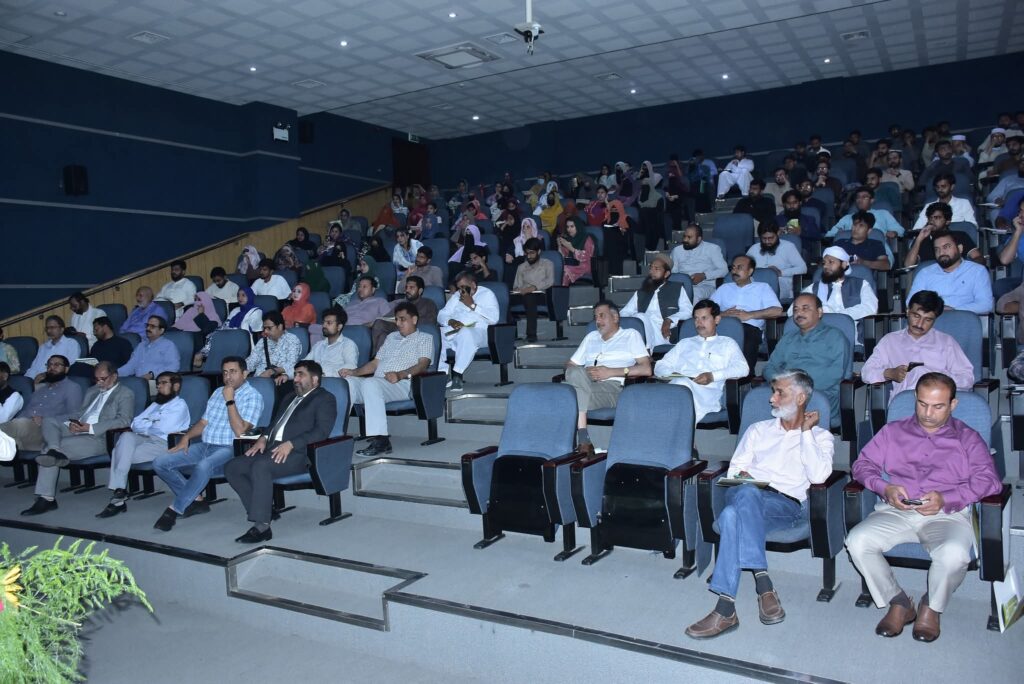
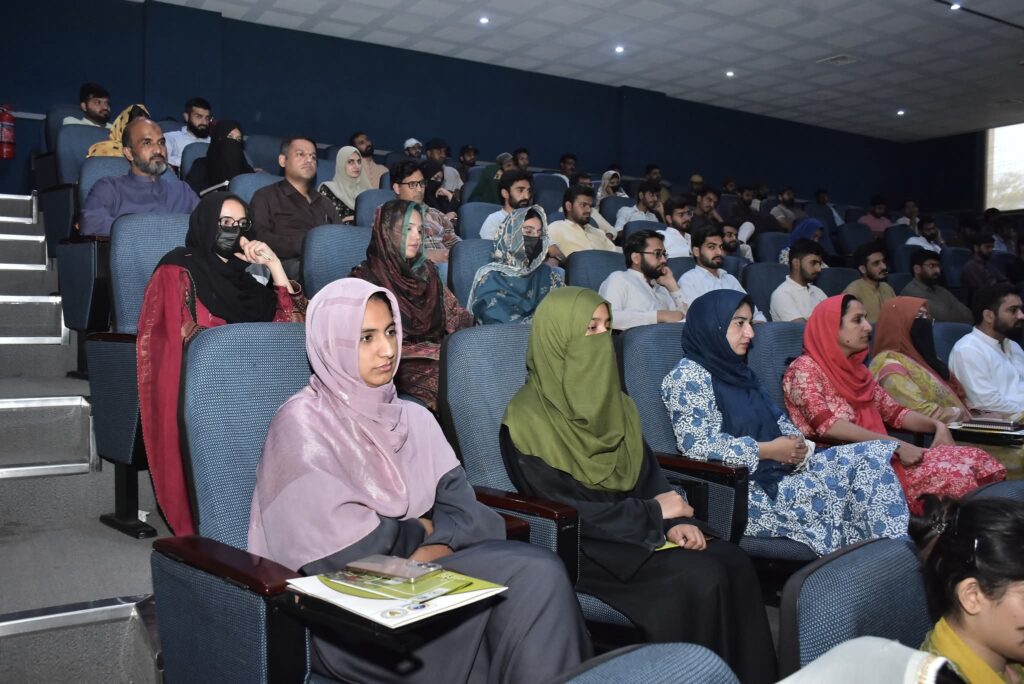
In May 2025, the University of Agriculture Faisalabad (UAF), Pakistan’s first and oldest agricultural university, hosted an international conference on challenges and opportunities in maize, fodder, and pulses production. The aim was to address Pakistan’s complex and evolving farming systems.
Five CIMMYT scientists shared their experiences with nearly 150 participants, including university researchers, seed industry representatives, and policy makers. Presentations covered maize breeding, seed systems, climate adaptation, and building resilient agri-food systems.
This conference marked the fifth edition of a series UAF has organized annually.
“The maize stakeholders began meeting in 2014 with CIMMYT’s support under the Agricultural Innovation Program (AIP). When the project ended, we kept the platform alive,” said Muhammad Aslam, Assistant Professor at UAF and main organizer of the conference.
“The maize platform established by CIMMYT helped strengthen networking and foster discussions on innovation, new technologies, and the prospects of Pakistan’s seed sector.”
Germplasm exchange and seed sector advancement
Between 2015 and 2020, Pakistan released more than 15 maize varieties sourced from
CIMMYT, contributing to improved productivity and farmer access to high-performing genetics. An estimated 90% of Pakistan’s wheat varieties also have genetic origins from CIMMYT’s global wheat program.
Many university students have evaluated CIMMYT germplasm as part of their thesis work—an important pathway for building research capacity and exposing young scientists to international breeding pipelines.
During another event held in October 2025 organized by Muhammad Nawaz Sharif University of Agriculture, Multan (MNSUAM), CIMMYT scientists shared insights on global seed systems to nearly 100 particpants.
“We are grateful to CIMMYT for setting a strong example of germplasm exchange within the CGIAR system,” said Prof. Dr. Asif Ali, Chairman of the National Seed Development and Regulatory Authority (NSDRA) of Pakistan and Vice Chancellor of MNSUAM.
“CIMMYT has provided wheat lines to Pakistan since the 1960s, helping us move toward self-sufficiency.”
This long-standing collaboration continues to shape Pakistan’s seed sector, research capacity, and future innovations.
Nurturing tomorrow’s scientists
CIMMYT’s engagement with universities spans the region. In Nepal, CIMMYT partnered with the Agriculture and Forestry University in 2020 to revise the curriculum on seed science and technology—responding to the growing demand for hybrid seed development skills in the local seed industry. “Our current focus is on Africa; however, we see strong potential to expand interventions in Pakistan, especially in pulses,” noted Kevin Pixley, Director of CIMMYT’s Dryland Crops Program, while addressing the UAF conference online.
In India, several state agricultural universities collaborate closely with CIMMYT, and many postgraduate students complete their research under joint supervision. In Bangladesh, university researchers regularly access CIMMYT germplasm to strengthen their breeding and applied research programs. These collaborations provide young scientists with exposure to global research, cutting-edge technologies, and practical field experience—ensuring that they are equipped to solve future agricultural challenges.
A legacy that continues
From Bajwa’s early work with MexiPak to today’s wide network of university partnerships, CIMMYT’s commitment to capacity development remains central to its mission. Strengthening university–industry linkages not only enhance national research systems but also ensures that future generations of scientists have the tools to address tomorrow’s problems today.
Across South Asia, CIMMYT’s ongoing support is helping shape a cadre of highly skilled, globally connected researchers, champions who will continue advancing food security, climate resilience, and seed sector innovation for decades to come.