This post was originally published on here
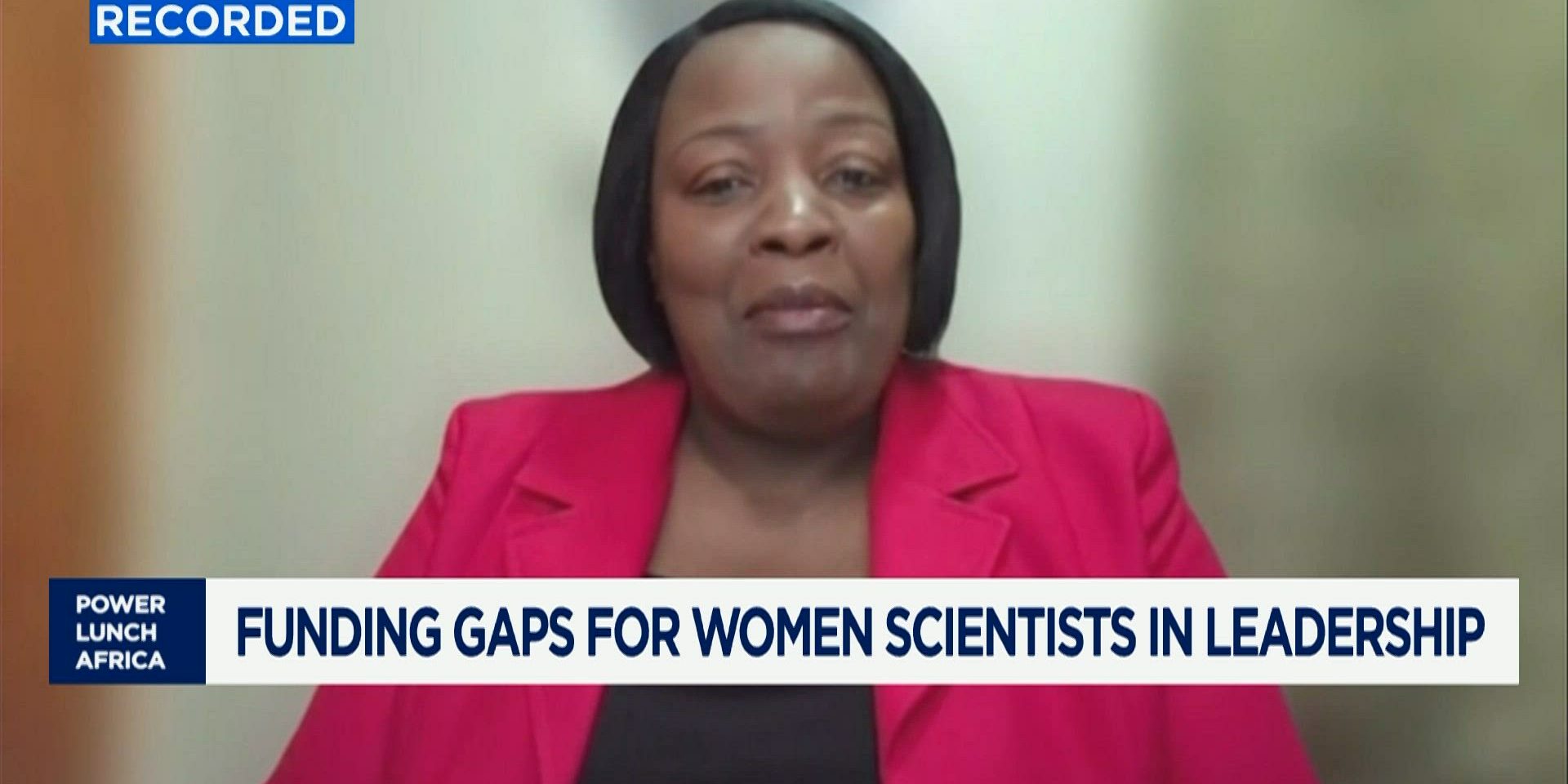
Despite years of investments in STEM (Science, Technology, Engineering, and Mathematics) fields across Africa, women continue to grapple with stark underrepresentation in science and research leadership roles. According to Sakhile Khaweka, Chair of the Africa Health Research, Innovation & Development Alliance (AHRIDA), the crux of this issue lies in systemic barriers that persistently prevent women from ascending to senior positions and assume leadership roles within the scientific community.
Currently, women constitute approximately 30% of researchers across Africa. This figure is not only disproportionately low but also unevenly distributed, with a significant concentration in health and life sciences, leaving fields such as engineering, data science, and advanced technologies with poor female representation. Khaweka attributes this imbalance to a host of structural barriers entrenched in institutional frameworks. “The main issue here is retention, progression, and leadership,” Khaweka states, emphasizing the necessity of nurturing and retaining female scientists.
One of the most significant hurdles for women in STEM is balancing career aspirations with societal expectations. Many women, post-graduation, face challenges that make retention in science fields arduous. “Promotions are not clear-cut for women,” Khaweka notes, highlighting that senior research and leadership roles are predominantly secured by their male counterparts. This disparity underscores the urgent need for equitable access to resources such as grants and promotions, often skewed against women.
Crucially, Khaweka underscores that systemic biases are inherent at every stage of a woman’s career path. Unpaid care work is seldom accounted for within institutional systems, compelling many women to sideline their careers to fulfill familial responsibilities. Furthermore, existing funding models often fail to accommodate maternity breaks or career pauses, further discouraging continued participation in research roles.
Khaweka’s conversation with CNBC Africa’s Tabitha Muthoni sheds light on practical strategies to address these inequities. At the heart of the solution lies intentional policy reforms aimed at embedding gender sensitivity in institutional designs and processes. “We cannot afford to exclude women,” Khaweka stresses, warning that sidelining half of the talent pool jeopardizes innovation and economic growth. “Some of the biggest inventions in history have come from women. Excluding them means leaving out potential breakthroughs.”
A starting point, according to Khaweka, is to ensure funding structures are gender-responsive, creating re-entry grants for women resuming their careers post-breaks. Transparent promotion criteria are equally crucial, allowing women to confidently map out career progression. “Parental paid leave is also important,” Khaweka highlights, advocating for policies that guarantee job security for women returning from maternity leave.
Bridging these gaps also involves empowering women to voice their challenges and nurture a culture of advocacy. Women must actively participate in crafting interventions and strategies, lending their insights to shape research planning and implementation.
The clarion call from AHRIDA is clear: policies and decision-makers must engage women meaningfully in redesigning institutional systems, fostering an environment where women in STEM not only survive but thrive. As Khaweka concludes, addressing these systemic barriers is not just a gender issue but a pivotal economic strategy set to unleash unbridled innovation across the continent.