This post was originally published on here
Ghana’s journey toward sustainable development depends largely on how well the nation invests in science, education, and innovation. In an era where global economies are driven by knowledge, technology, and research, countries that prioritize scientific education position themselves for long-term growth. For Ghana, strengthening science education is not a luxury; it is a necessity.
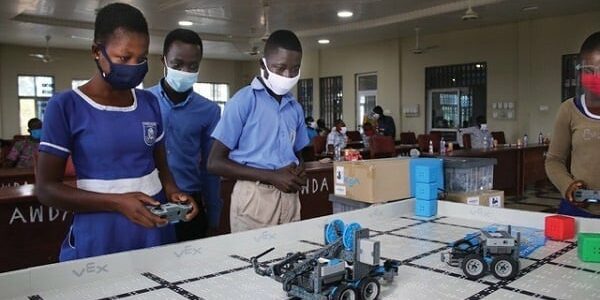
Science education equips individuals with problem-solving skills, critical thinking, and practical knowledge needed to address real national challenges. Issues such as food insecurity, environmental pollution, climate change, public health, and industrial productivity all require scientific solutions. From improved agricultural practices to renewable energy development, science plays a central role in shaping a resilient economy. Over the years, Ghana has made progress in expanding access to education, particularly at the basic and secondary levels. Programs such as Free Senior High School (Free SHS) have increased enrollment and reduced inequality in access. However, access alone is not enough. There is a growing need to improve the quality of science education, including well-equipped laboratories, trained teachers, and updated curricula that reflect modern scientific advancements.
At the tertiary level, universities and research institutions are vital drivers of innovation. Ghanaian universities must be empowered to conduct impactful research that addresses local problems. Stronger collaboration between academia, industry, and government can help translate research findings into practical solutions, job creation, and industrial growth. Supporting postgraduate education, especially in science, technology, engineering, and mathematics (STEM), will also help build a skilled workforce capable of competing globally. Another important aspect is encouraging young people to pursue science careers. Many students shy away from science due to perceptions of difficulty or lack of role models. Mentorship programs, science outreach activities, and investment in science communication can help change this narrative. Highlighting successful Ghanaian scientists, engineers, and innovators can inspire the next generation.
Furthermore, science education must be inclusive. Women and underrepresented groups should be actively supported to participate fully in STEM fields. Gender-balanced participation strengthens innovation and ensures that national development benefits from diverse perspectives.Ghana’s future prosperity is closely tied to how effectively it develops its scientific and educational systems. By investing in quality science education, research, and innovation, Ghana can build a stronger economy, improve the well-being of its citizens, and secure a sustainable future for generations to come.