This post was originally published on here
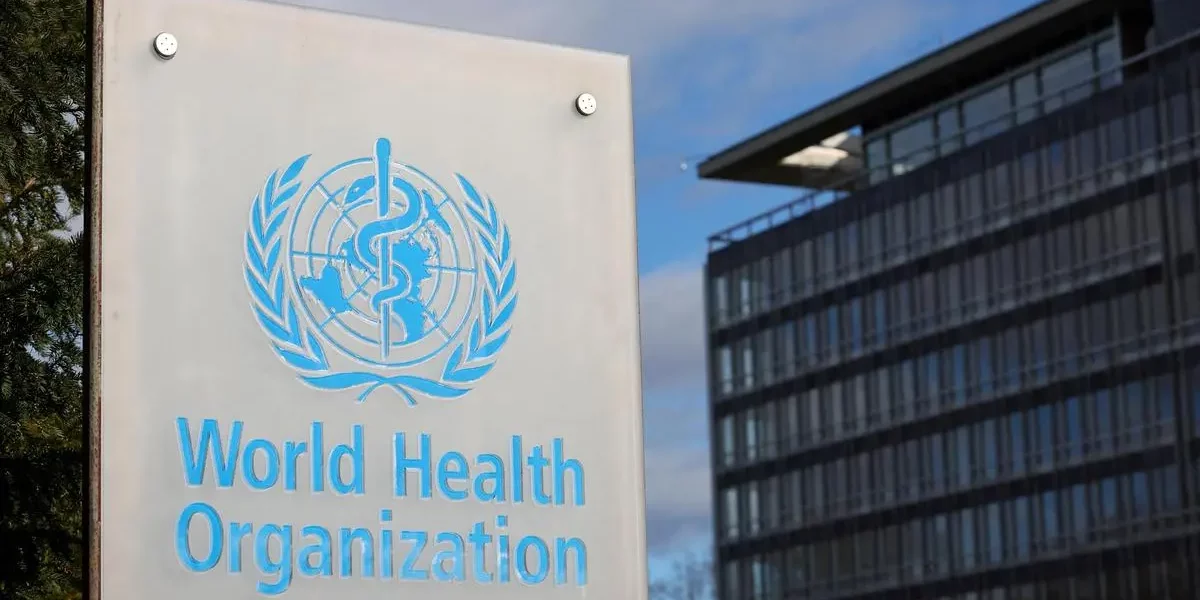
Over 1000 attacks have been globally reported on healthcare – be it staff, facilities, patients or ambulances, said the World Health Organization, in a look-back report, as 2025 draws to a close.
Conflict devastated health services in the Democratic Republic of the Congo, Gaza, Haiti, Syria, Sudan and Ukraine, the report said.
“As of 17 December, a total of 1283 attacks on health care – on facilities, staff, patients, supplies and ambulances – have been reported during the year, causing 1980 deaths and 1163 injuries among health workers and patients,” it added.
The year has been marked by “immense achievements” and “profound challenges” for global health, the WHO said, pointing to major funding cuts and increasing threats to science and solidarity.
Among its achievements, it listed the adoption of the world’s first Pandemic Agreement by government; efforts to expand access to life-saving medicines, besides tackling climate-related health risks.
The WHO listed milestones in disease control including the “triple elimination” of mother-to-child transmission of HIV, syphilis and hepatitis B by Maldives; Brazil’s elimination of mother-to-child transmission of HIV, making it the most populous country in the Americas to achieve this historic milestone, and Georgia, Suriname and Timor-Leste being certified malaria-free, among others.
While tuberculosis (TB) deaths declined significantly – with the WHO African and European regions achieving 46 percent and 49 percent reductions over the past decade – TB still killed 1.2 million people in 2024, it said, calling attention to risk factors like HIV, diabetes, smoking and undernutrition.
The agency pointed to the adoption of a political declaration at the United Nations General Assembly that looks to fast-track targets for 2030: “150 million fewer tobacco users, 150 million more people with controlled hypertension, and 150 million more with access to mental health care.”
Increase investment in health
Besides pushing ahead on efforts to tackle non-communicable diseases and improve mental health, the WHO flagged global funding concerns and shortfall in healthcare workers. The WHO forecast a global shortfall of 11.1 million health workers by 2030.
Though the nursing workforce has grown to almost 30 million worldwide, there are wide inequalities between countries, it said.
Citing the latest WHO/WorldBank report, it said, since 2000, most countries had progressed (across income levels) in expanding health service coverage and reducing the financial hardship associated with health costs.
The poorest populations, though, continue to bear the greatest burden, it said, “with 1.6 billion people living in poverty or pushed deeper into it due to unaffordable health costs.”
The WHO called for free essential health care for people living in poverty and vulnerable situations, and increased public investment in health systems and care for chronic diseases, reducing out-of-pocket spending on medicines and other costs.
Published on December 24, 2025