This post was originally published on here
The fact that Holguin province will host the main event for Cuban Science Day on January 15th is widely discussed. Due in part to its status as the nation’s third most important tourist destination. Its considerable natural attractions, boasting unparalleled beauty in its countryside and beaches.
A prime example of this is the Sierra Cristal mountain range. Among Cuba’s great mountains, which rises majestically in northeastern Holguin. Since April 12th, 1930, 95 years ago. It has been home to the country’s first Protected Natural Area.
A government decree of that same date approved its status as a National Park. Then encompassing the municipalities of Mayari and Sagua de Tanamo. Also due to its forest reserve, timber value, and the degree of forest conservation.
Its establishment is attributed to the creation of Yellowstone National Park in the United States at the end of the 19th century. According to specialists from the National Center for Protected Areas.
To achieve and maintain this status, the Sierra Cristal possesses numerous outstanding requirements. Second only to the Sierra Maestra in its magnitude, located between the Sierra de Nipe and the Cuchillas de Moa, in the Sagua-Baracoa Group. One of the areas with the greatest biodiversity in the country.
Moreover the highest point of this massif is Pico Cristal, at 1,231 meters above sea level. A mountain range named for the abundant quartz deposits found on its steep slopes in Holguin, more than 700 kilometers east of Havana.
The region is covered in forests and pine groves and even represents the only pre-Columbian habitat in Cuba. It is home to a unique species, the Caribbean pine (Pinus caribaea). Which can reach heights of up to 30 meters.
Pinares de Mayari is a plateau located 600 meters above sea level. Offering a stunning view of the Nipe-Cristal mountain range. Also in southeastern Pinares de Mayari is La Mensura National Park. Encompassing 5,300 hectares and boasting an average temperature of 22 degrees Celsius, ideal for nature tourism.
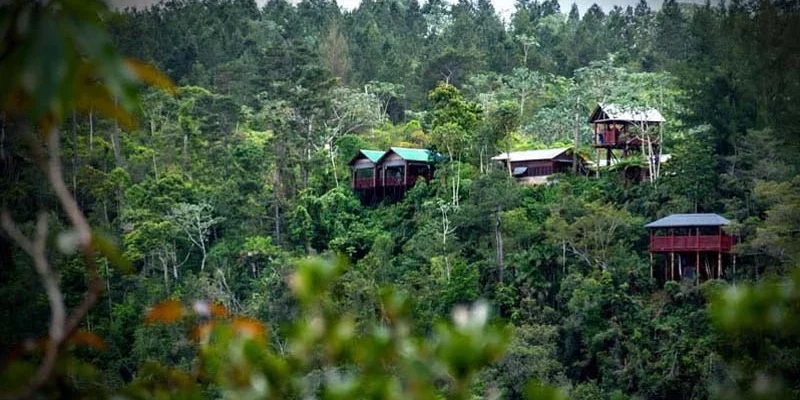
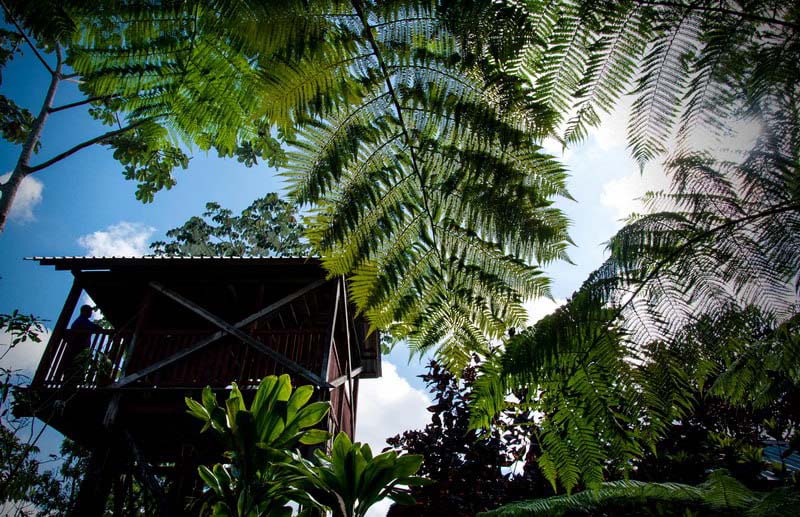
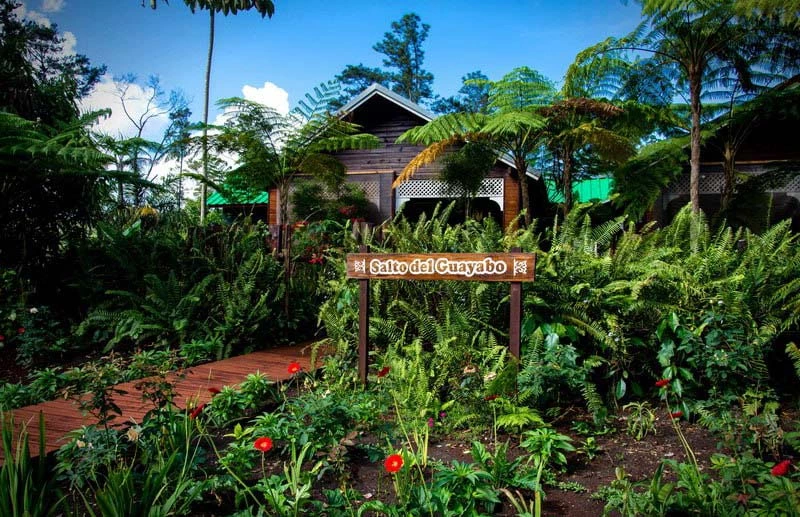
In practice, there is a striking contrast between tropical vegetation and dense Cuban pine forests. A breathtaking exuberance enhanced by the presence of a wide variety of palms, coconut palms, ferns, and precious hardwoods.

Another of the mountain range’s charms is the Caletones Blue Tank. A flooded cave located on the most important migratory bird route in the Caribbean region.
It is very common to see the Cuban trogon and the solenodon in this area, the latter a true treasure of the fauna. That was once confined to the Sierra de Nipe and the Cuchillas del Toa regions.
An enduring distinction of the Sierra Cristal is that it served as the battleground for the Rebel Army. Which established its Second Front there, named Frank País in honor of one of the principal leaders of the insurrection that culminated on January 1st, 1959. From that memorable event, the National System of Protected Areas began to take shape when the Revolutionary Government approved Law 239/59. With the aim of conserving, protecting, and promoting the nation’s forest resources.
With information from the Cuban News Agency