This post was originally published on here
The award of grants from the European Research Council, worth a total of 728 million euros, is one of these news. And the fact that two of these projects are developed in Portugal deserves to be clearly underlined.
The European Research Council has selected 349 mid-career researchers for its prestigious consolidation fellowships. It is one of the most competitive programs in Europe, which funds frontier science and recognizes researchers with proven track records and great potential. Among these projects, two will have Portugal as their home. This does not happen by chance.
One of the projects will be developed at Instituto Superior Técnico, led by Ricardo Araújo, who received two million euros to investigate the evolutionary origin of endothermy. It may seem like a distant topic from everyday life, but we are talking about fundamental science, the one that helps to understand the evolution of life and that, in the long term, influences areas as diverse as biology, medicine or technology.
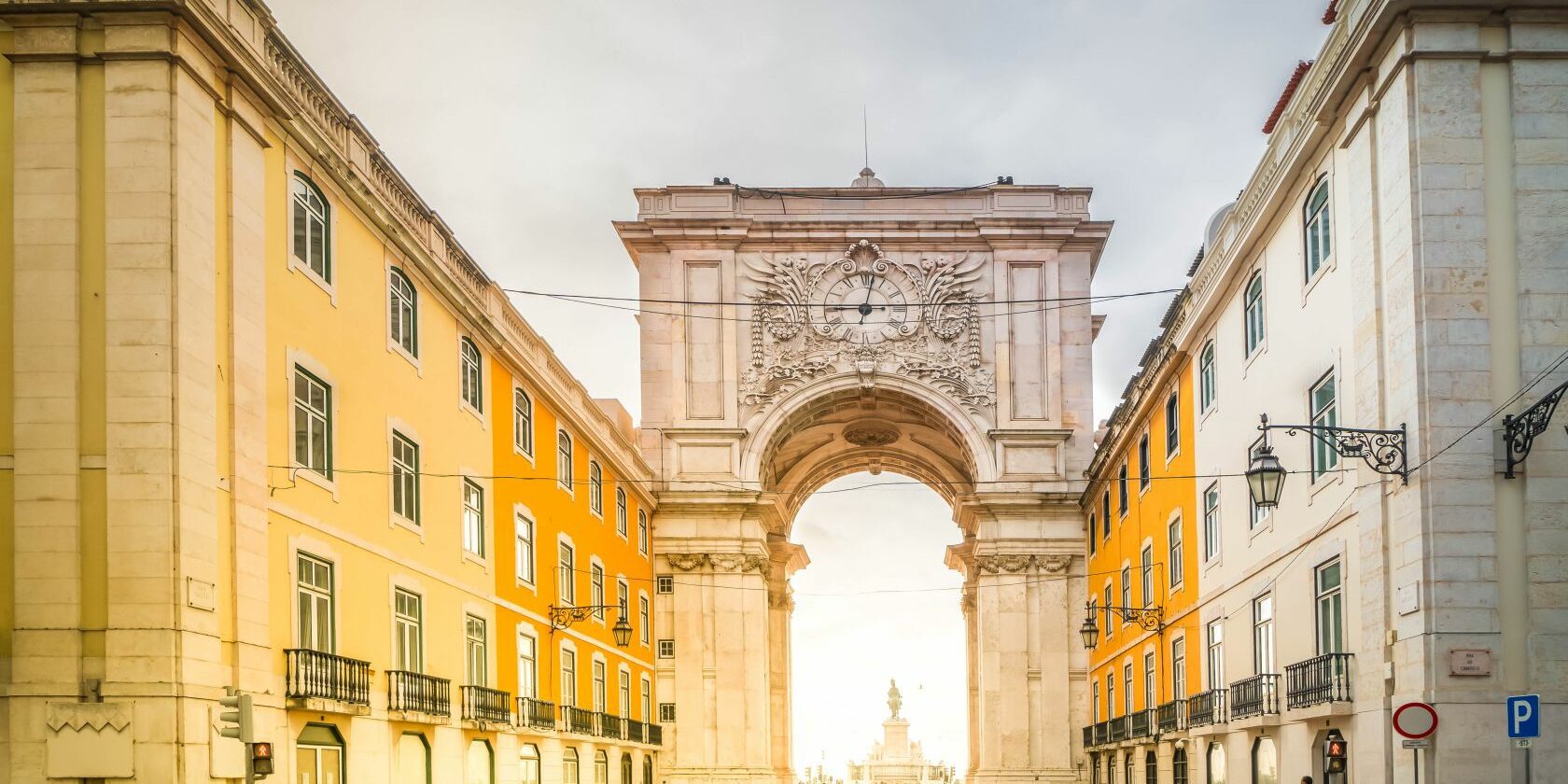
The second project will be developed at the Champalimaud Foundation, in Lisbon. Juan Álvaro Gallego, who applied while at Imperial College London, chose Portugal to develop his neuroscience research. Her project, funded with 2.1 million euros, seeks to understand the mechanisms of the brain associated with learning and the execution of specialized movements. We are talking about knowledge with a direct impact on areas such as rehabilitation, neurological diseases and even robotics.
For me, this choice says a lot about the moment that Portugal is experiencing. For years we have talked about the need to attract talent, to create conditions for excellent research and to prevent our best brains from always looking abroad. Today we are starting to see the reverse movement. Top researchers choose Portugal to develop cutting-edge science, funded by the most demanding institutions in Europe.
These grants do not only fund projects. They fund teams, laboratories, advanced training, and international reputation. Each ERC project attracts other researchers, creates critical mass, and puts Portuguese institutions on the global science radar. This is how a solid and competitive ecosystem is built.
It is also important to remember that these scholarships are awarded to centers and universities in 25 countries. Portugal competing at this level and winning shows that the quality of our science is at the level of the best that is done in Europe. It is not only the individual merit of the researchers, but also a reflection of the consistent work of institutions such as IST and the Champalimaud Foundation.
In a country where only, the short term is so often discussed, this news reminds us of something essential. Investing in science is investing in the future. It is to create knowledge, innovation, economic value, and self-decision-making capacity. Science does not give immediate results, but it is what underpins everything else.
Portugal may be small in size, but when it bets on the right knowledge, it shows that it has a place at the table of the great. These grants from the European Research Council are further proof of that.