This post was originally published on here
NEED TO KNOW
-
A new research study finds infected ant pupae emit a chemical signal that prompts workers to kill them
-
The behavior prevents fungal pathogens from spreading through the colony
-
Researchers call it “altruistic disease signaling” that protects the ant superorganism
In a rare example of biological altruism, sick young ants appear to deliberately signal for their own death to protect the rest of their colony from a deadly disease, new research finds.
According to a study published in Nature Communications on Tuesday, Dec. 2, ant pupae infected with a lethal pathogen can emit a distinct chemical signal that prompts healthy worker ants to kill them before the infection can spread.
Advertisement
Advertisement
As explained in the journal study, animals (including humans) living in social groups often try to conceal signs of illness to avoid ostracism or aggression. However, in social insects like ants, colony health depends on swift action against contagion. Ant colonies function as “superorganisms,” where the fitness of each individual is tied to the well-being of the whole. The new study shows that some ants take this concept to a dramatic extreme.
Alamy
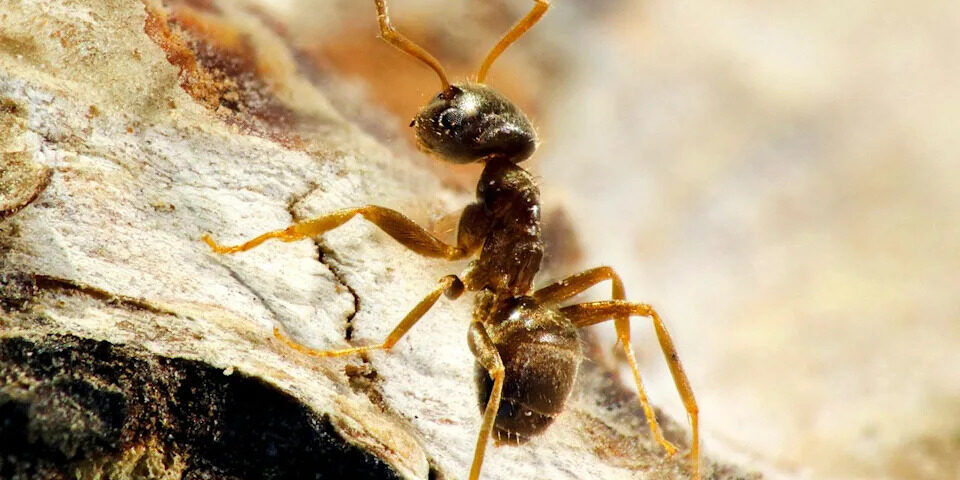
ant (Lasius neglectus), invasive ants from Asia, Germany
The research focused on Lasius neglectus, a species of garden ant. Unlike adult workers, which can leave the nest to die when they are gravely ill, young pupae are immobile and remain sealed in cocoons, unable to escape the risk an infection poses to their nestmates.
When infected with a fungal pathogen, the pupae undergo chemical changes on their outer surface, which produces a distinctive odor. Worker ants detect the unfamiliar scent, unpack the pupae from their cocoons, and then bite through their bodies to deliver antimicrobial poison that both disinfects and kills them. “This process prevents pathogen replication in the host and ultimately limits its spread throughout the colony,” the study explained.
The researchers demonstrated that this odor is not merely a byproduct of infection, but an active signal produced by the pupae specifically in the presence of worker ants. In controlled experiments, scientists transferred the chemical signature from sick pupae to healthy ones, prompting workers to carry out the same destructive behavior. Pupae kept away from workers did not produce the scent, highlighting that the chemical cue serves as a deliberate “find-me and eat-me” signal, as described by the Austria-led research team, according to CBS News.
Getty
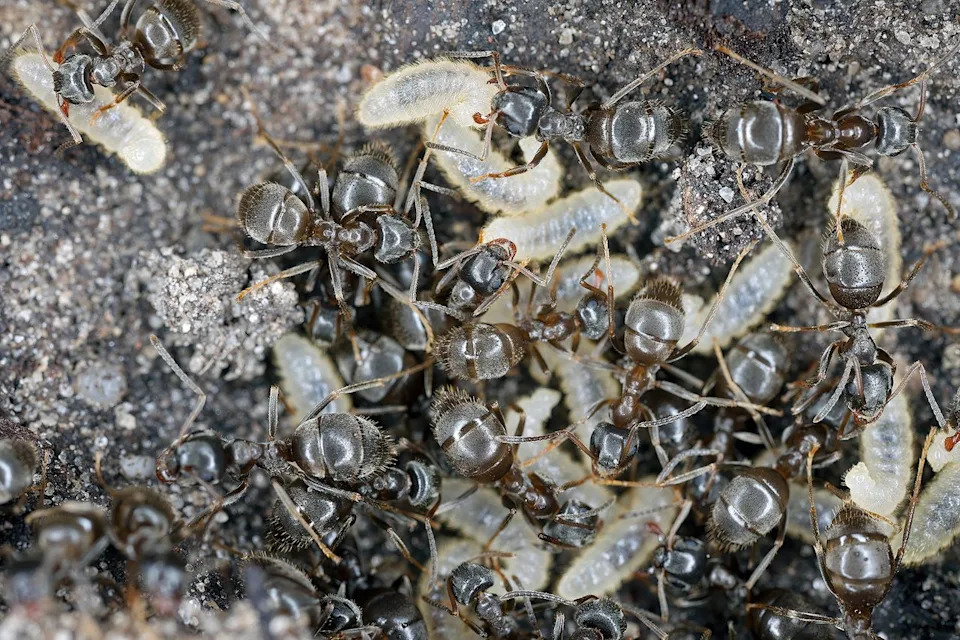
Common garden ants (Lasius sp.) rescuing their larvae after uncovering their nest under a rock.
Lead author Erika H. Dawson of the Institute of Science and Technology Austria explained that this behavior represents a form of altruistic disease signaling. By sacrificing themselves, infected pupae help prevent the pathogen from spreading in the nest, thereby safeguarding their genetically related siblings and the colony’s future.
Advertisement
Advertisement
Interestingly, the study found that queen pupae, or future reproductive individuals, do not emit the same signal when infected. Researchers believe this is because queens possess stronger immune defenses and can often fight off infection, making self-sacrifice less beneficial. Additionally, a queen that alerts workers to kill her prematurely could jeopardize the colony’s long-term reproductive success.
The discovery adds a new layer to scientists’ understanding of social immunity — collective disease-defense mechanisms — in eusocial species. By actively signaling infection at a terminal stage, ant pupae help maintain the health of their superorganism, even at the cost of their own lives.
Read the original article on People