This post was originally published on here
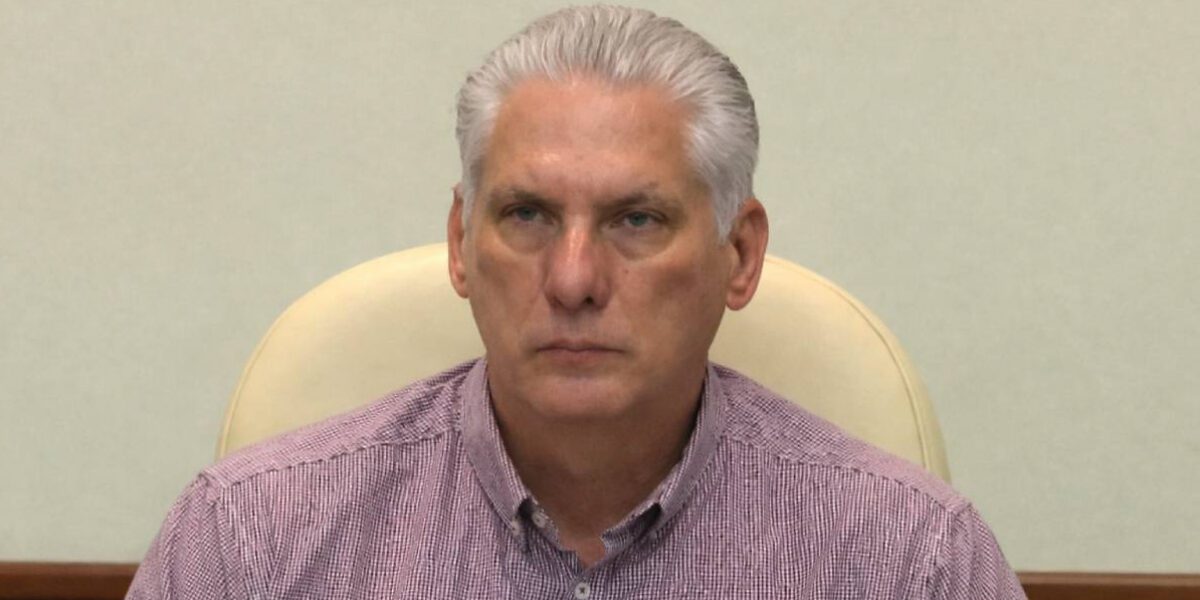
On the afternoon of Christmas Eve, Miguel Díaz-Canel convened scientists and health system experts at the Palace of the Revolution, where they assured him that cases of dengue and chikungunya are decreasing in Cuba.
A report from state television indicates that Cuba is experiencing its eighth consecutive week of decreasing arboviral disease cases, although most provinces—except for Matanzas, Granma, and the Isle of Youth—remain within the endemic epidemic corridor.
The mathematics expert Raúl Guinovart Díaz stated that the forecasting models indicate a “trend towards improvement” and that the situation could be controlled between January and February, as long as environmental conditions remain unchanged.
However, the data from the meeting itself confirms that there are still more than 2,800 cases of chikungunya spread across 134 municipalities, and that areas such as Guantánamo, Las Tunas, Santiago de Cuba, Pinar del Río, and Artemisa maintain incidence rates higher than the national average.
Meanwhile, many Cubans continue to suffer from the effects of the virus for months, experiencing chronic joint pain, fatigue, and other symptoms that complicate their recovery.
Health authorities acknowledged that at least 60% of patients in Matanzas seek rehabilitation treatments or traditional medicine three months after infection, which shows that the impact of chikungunya goes far beyond the official figures.
The government speech emphasized the “unity between science and society” to protect health, without providing detailed information about the actual availability of resources for fumigation, medications, or basic supplies in polyclinics for patient care.
The meeting concluded with messages of optimism regarding the control of the epidemic, although the population continues to face power outages, shortages of medication, and mosquito outbreaks amid a health crisis that shows no signs of ending.