This post was originally published on here
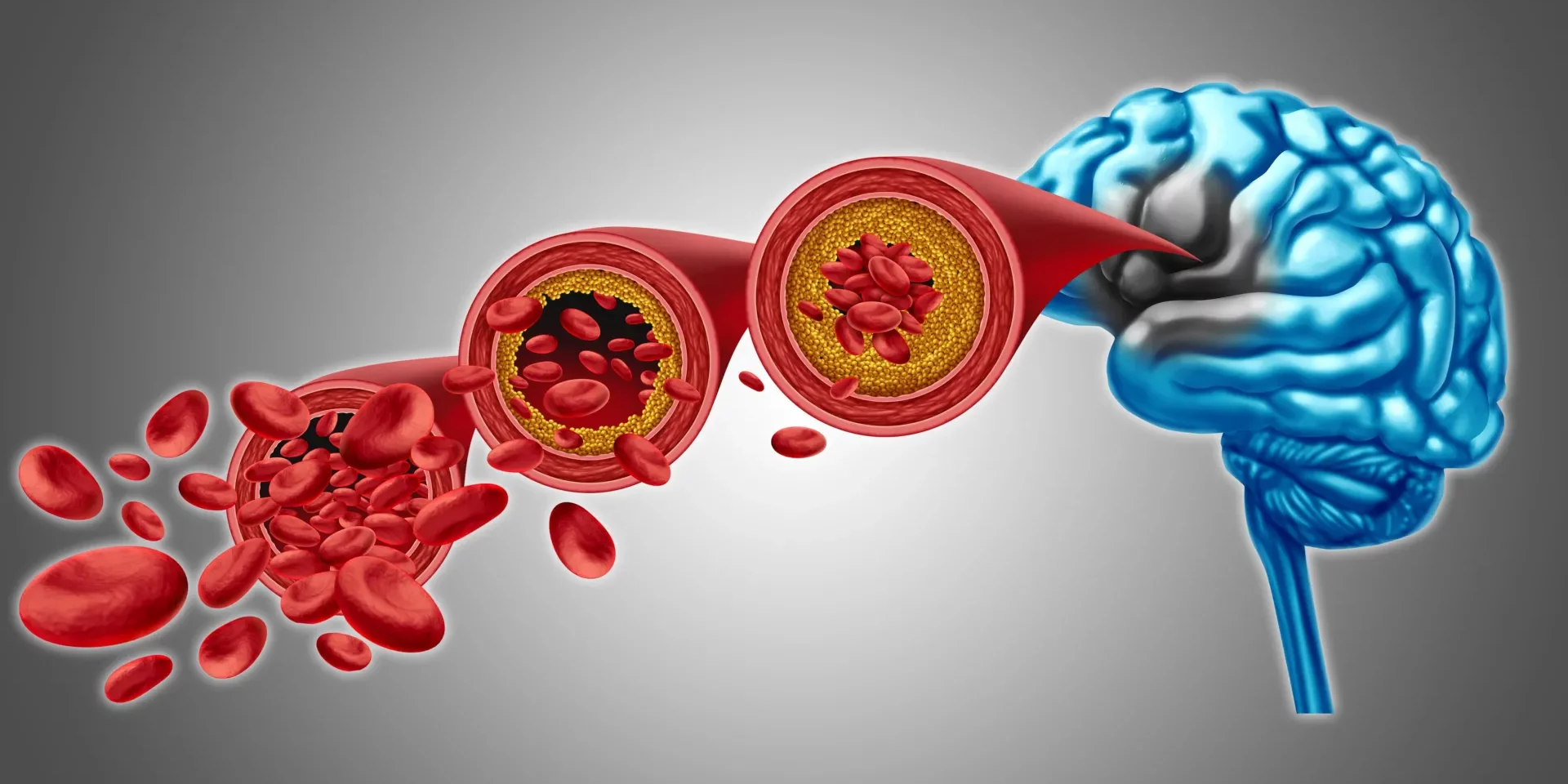
A potential new way to treat reduced brain blood flow and certain forms of dementia is beginning to emerge. Scientists at the University of Vermont Robert Larner, M.D. College of Medicine have uncovered new details about how blood circulation in the brain is controlled and how vascular problems might be reversed. Their preclinical research, published December 22 in Proceedings of the National Academy of Sciences, suggests that replacing a missing phospholipid in the bloodstream could help restore normal brain blood flow and ease dementia-related symptoms.
“This discovery is a huge step forward in our efforts to prevent dementia and neurovascular diseases,” says principal investigator Osama Harraz, Ph.D., assistant professor of pharmacology at Larner College of Medicine. “We are uncovering the complex mechanisms of these devastating conditions, and now we can begin to think about how to translate this biology into therapies.”
The Rising Burden of Dementia
Alzheimer’s disease and related dementias affect about 50 million people worldwide, and that number continues to grow. The increasing prevalence places heavy pressure on families, caregivers, and health care systems. Ongoing research is working to untangle how proteins, inflammation, neural signaling, and malfunctioning brain cells contribute to these disorders.
Work in the Harraz lab centers on how cerebral blood flow is controlled and how blood vessels communicate through molecular signals. A major focus is Piezo1, a protein found in the membranes of cells that line blood vessels. Piezo1 helps regulate brain blood flow by sensing physical forces created as blood moves through the brain’s vascular network. Its name comes from the Greek word for “pressure.” Earlier research showed that Piezo1 behaves differently in people who carry certain genetic variations of the Piezo1 gene.
A Key Lipid That Keeps Blood Vessels in Check
The new study, titled “PIP2 Corrects an Endothelial Piezo1 Channelopathy,” offers fresh insight into how Piezo1 influences cerebral blood flow. The findings also show that conditions such as Alzheimer’s disease are linked to abnormally high Piezo1 activity in brain blood vessels. To better understand why this happens, the research team examined a phospholipid called PIP2, which is found in brain cell membranes.
PIP2 plays an essential role in cell signaling and ion channel regulation — a complex process that controls when protein pores in cells open and close. The researchers discovered that PIP2 normally acts as a natural suppressor of Piezo1. When PIP2 levels fall, Piezo1 becomes overly active, disrupting normal blood flow in the brain. When the team added PIP2 back into the system, Piezo1 activity decreased and healthy blood circulation was restored. These results suggest that increasing PIP2 levels could form the basis of a new treatment strategy aimed at improving brain blood flow and supporting brain function.
Next Steps Toward Future Treatments
Future studies will focus on understanding exactly how PIP2 interacts with Piezo1. Researchers want to determine whether PIP2 attaches directly to specific parts of the protein or changes the surrounding cell membrane in ways that limit channel opening. Additional work will also explore how disease-related declines in PIP2 remove this regulatory control, allowing Piezo1 to remain overactive and impair cerebral blood flow. Gaining clarity on these mechanisms will be critical for developing therapies based on restoring PIP2 or directly targeting Piezo1 to improve neurovascular health in dementia and related vascular disorders.