This post was originally published on here
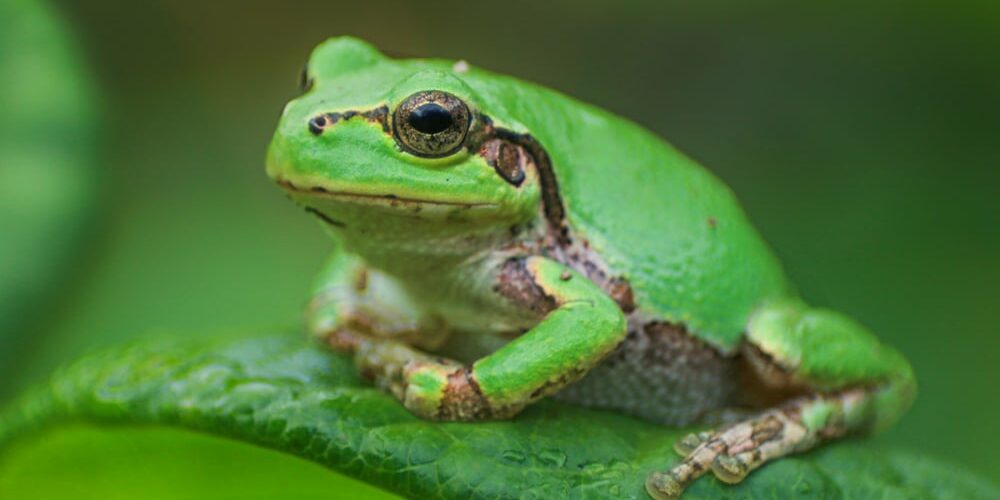
Scientists have identified a promising new cancer-fighting approach hidden in the gut bacteria of a Japanese tree frog, with one bacterial strain eliminating tumors in mice without causing severe side effects.
Researchers from the Japan Advanced Institute of Science and Technology studied amphibians and reptiles after noting that these animals rarely develop cancer.
They tested 45 bacterial strains taken from frogs, newts, and lizards to see whether the microbes could suppress tumor growth.
Nine strains showed significant anti-tumor activity, but one stood out.
A bacterium found in the Japanese tree frog, Ewingella americana, eliminated tumors in treated mice after a single dose.
Unlike other strains that produced only temporary effects, E. americana prevented tumors from returning even after cancer cells were reintroduced 30 days later.
The mice remained tumor-free during the following month.
Further analysis showed that the bacterium attacks tumors directly while also boosting the immune system, activating T cells, B cells, and neutrophils.
Researchers believe its effectiveness comes from its ability to survive in low-oxygen environments, such as tumors, where many immune cells and chemotherapy drugs struggle to work.
Animal studies suggest the treatment is relatively safe. The bacteria cleared quickly from the bloodstream, caused no lasting toxicity, and did not damage healthy organs.
Injections of E. americana were also more effective at shrinking tumors than several existing treatments, including the chemotherapy drug doxorubicin.
While the findings are encouraging, researchers cautioned that extensive testing is still required before the therapy can be considered for human use.
As E. americana can cause infections in humans, safety will be a major concern in future trials.
The study was published in the journal Gut Microbes, and researchers say the discovery highlights the untapped medical potential of biodiversity and microbial ecosystems.