This post was originally published on here
The first meteor shower of 2026 is nearly here.
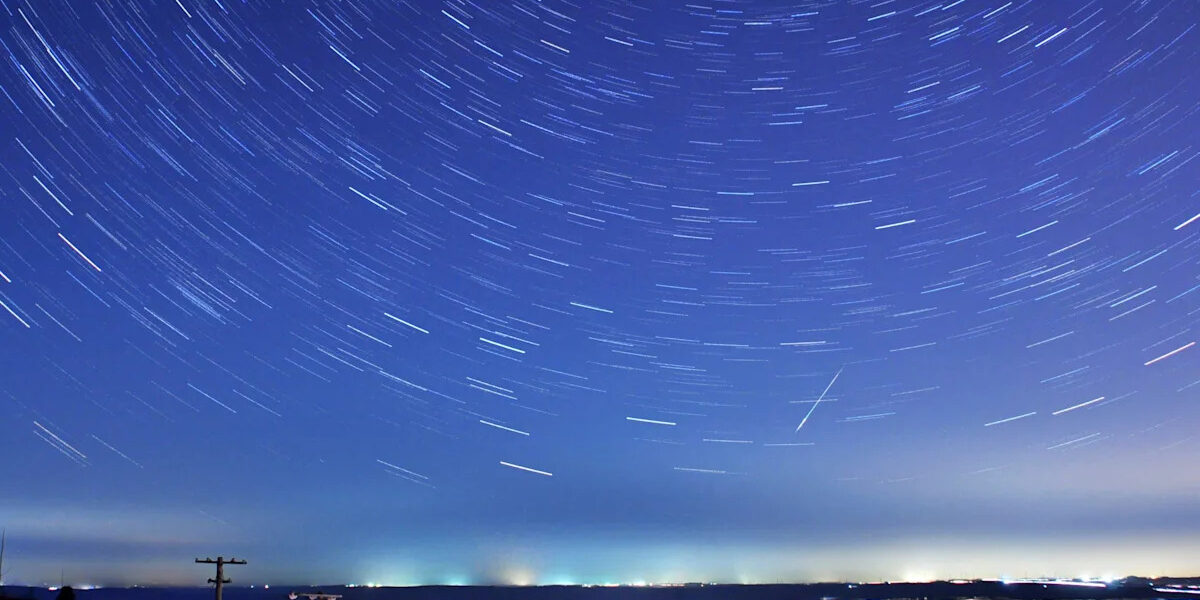
The Quadrantids are expected to peak overnight Jan. 3-4, 2026, with about 10 meteors per hour, traveling at 25 miles per second, according to NASA. The meteor shower began after Christmas on Dec. 26 and will continue into mid-January.
However, the wolf moon, peaking Jan. 3, could make viewing difficult because of the supermoon’s brightness.
Here’s what to know about upcoming meteor showers.
When can you see the Quadrantid meteor shower?
The Quadrantid meteor shower is active from Dec. 26 to Jan. 16, 2026, and will peak Jan. 3-4, 2026, though viewing will be made difficult by the full moon peaking Jan. 3, 2026, according to NASA. The Quadrantids could bring less than 10 meteors per hour at up to 25 miles per second.
How to watch the Quadrantids in Michigan
The Quadrantids are best viewed at night and predawn, according to NASA.
Advertisement
Advertisement
The Quadrantids are named after the constellation Quadrans Muralis because the meteors seem to emerge — or radiate from — the same area in the sky as the constellation, NASA said. However, NASA advises stargazers to also look elsewhere to get the best views. The Quadrantids should be visible across the night sky.
Where can I see the Quadrantids in Michigan?
Look for a clear, open area and bring your telescope to view the meteors in Michigan’s night sky. Michigan is home to six dark sky state parks, three international dark sky parks and an international dark sky sanctuary.
-
Keweenaw Dark Sky Park in Keweenaw County and Dr. T.K. Lawless Park in Cass County are international spots. And, finally, the Beaver Island State Wildlife Research Area is an international sanctuary.
What should I do to ensure I see the meteors?
Here are some general viewing tips from the space agency:
Advertisement
Advertisement
-
Find an area well away from street lights and the light pollution of cities.
-
Come prepared for winter temperatures with a sleeping bag, blanket or lawn chair.
-
Lie flat on your back with your feet facing the northeast and look up, taking in as much of the sky as possible.
It should take less than 30 minutes for your eyes to adapt so that you can see streaking meteors. But be patient, NASA warns: the show will last until dawn.
What causes the Quadrantid meteor shower?
Meteor showers occur when Earth passes through dusty debris trails left by space objects orbiting the sun. While most meteor showers originate with comets, the Quadrantids comes from an asteroid.
The debris — small rocks known as meteoroids — collides with Earth’s atmosphere at high speed and disintegrates, creating fiery and colorful streaks in the sky, according to NASA.
Advertisement
Advertisement
Those resulting fireballs, better known as “shooting stars,” are meteors. If meteoroids survive their trip to Earth without burning up in the atmosphere, they are called meteorites, per NASA.
The pieces of space debris that interact with our atmosphere to create the Leonids originate from Asteroid 3200 Phaethon. The small asteroid is named for the Greek mythology character who drove the Sun god Helios’ chariot because of the asteroid’s close approach to the Sun, according to NASA.
When is the next meteor shower?
The Lyrids will peak April 22, 2026.
Contact Jenna Prestininzi: [email protected].
This article originally appeared on Detroit Free Press: Quadrantid meteor shower is ahead. What to know