This post was originally published on here
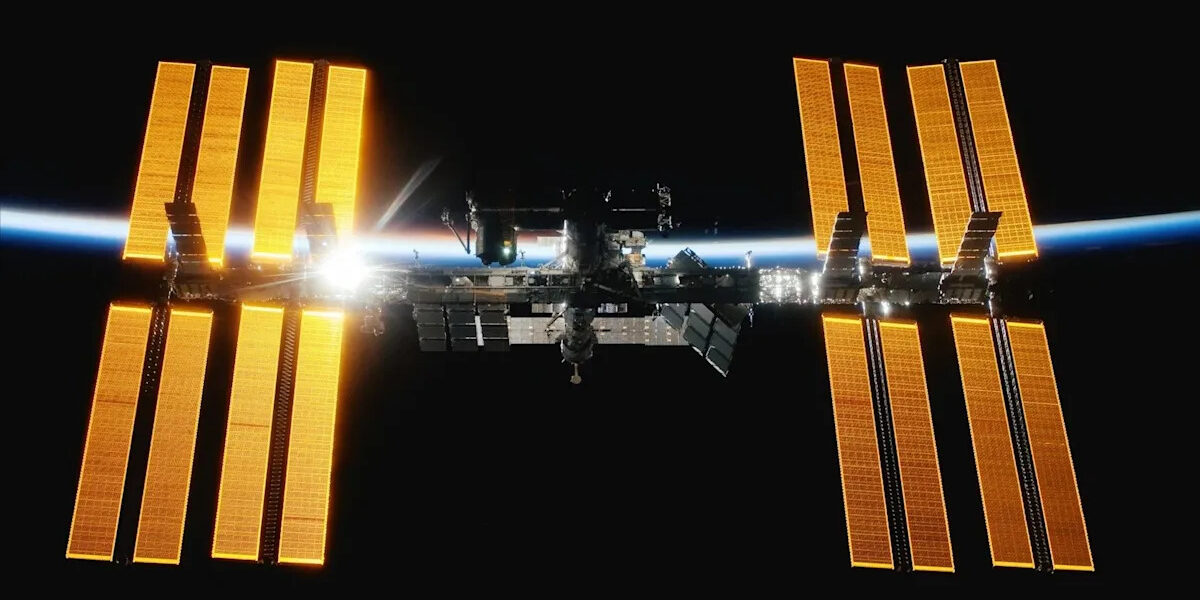
NASA has locked in the crew for its SpaceX Crew-12 mission, scheduled to head to the International Space Station no earlier than Feb. 15, 2026. Four people will fly. Two are NASA astronauts, one represents Europe, and one comes from Russia — the same mix that’s quietly kept the station running for years.
The commander is Jessica Meir, returning to orbit for a second time. Jack Hathaway will be making his first trip to space as pilot. They’ll be joined by Sophie Adenot from the European Space Agency and Andrey Fedyaev, who previously flew on a SpaceX mission in 2023.
For Meir, this isn’t unfamiliar territory. She spent more than six months aboard the station during her first mission and took part in the first all-women spacewalks alongside Christina Koch. Since returning to Earth, she’s stayed close to flight operations, working on commercial crew and human-landing-system roles inside NASA. Crew-12 puts her back in orbit, this time in charge.
Advertisement
Advertisement
Hathaway is the newcomer. Before NASA selected him in 2021, he flew for the U.S. Navy, logging thousands of hours across dozens of aircraft, including carrier-based operations. This mission will be his first experience off the planet.
Adenot is also flying for the first time. Before joining ESA, she worked as both an engineer and a helicopter pilot, including years in search-and-rescue and later as an experimental test pilot. Fedyaev brings the most recent station experience outside NASA. He spent 186 days in orbit during SpaceX Crew-6, serving as a flight engineer and returning to Earth last year.
Once aboard, the four will slot into the station’s regular rhythm — maintenance, experiments, and daily operations — alongside the existing crew. There’s no ceremony to that part. The station has been continuously occupied for more than 25 years, and Crew-12 is simply the next shift.
The flight also continues NASA’s current setup in low Earth orbit, with SpaceX handling transport while the agency focuses its long-term attention on missions beyond the station. For now, though, the work stays closer to home — 250 miles up, circling Earth every 90 minutes.
Source: NASA
Read the original article on GEEKSPIN.
Affiliate links on GEEKSPIN may earn us and our partners a commission.