This post was originally published on here
New research has found the call of the tawny owl makes robins eat less at night
Threatening owl calls cause robins to reduce their food intake at night, new research has revealed.
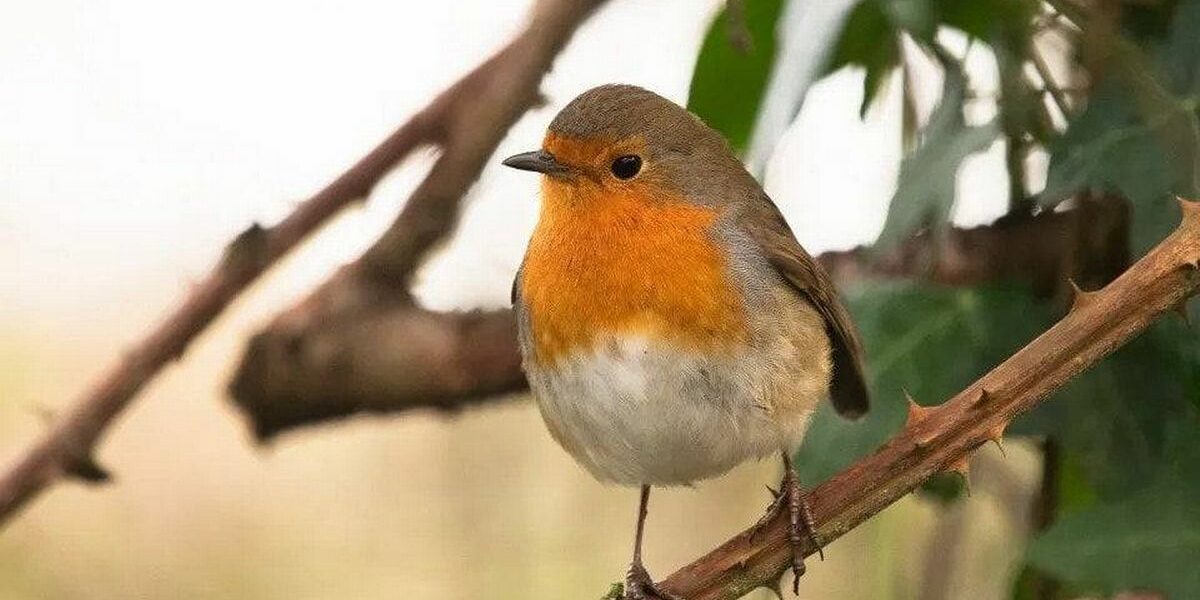
The hooting of tawny owls makes the red-breasted birds eat less during their southward migration, the findings show.
The study by Swedish scientists demonstrates how the threat from nocturnal predators influences the robins’ behaviour – and consequently their survival.
READ MORE: Christmas Day lunch at pub branded ‘utter chaos’ as ‘no-one could be served’
The research team explained that when young robins set off on their first southward migration in autumn, they make regular stops along the route to rest and replenish their energy reserves.
However, each stop carries a risk as predators may be lurking nearby.
The researchers established that migrating birds are not only aware of threats around them, but also modify their behaviour based on which predator calls they hear.
Prof Susanne Åkesson, of Lund University, Sweden, said: “For the first time it has been possible to show the calls of nocturnal predators affect how birds obtain energy during their migration.”
In the study, young robins were exposed to calls from two different birds of prey: the tawny owl and sparrowhawk.
Prof Åkesson said the results, published in the Journal of Animal Ecology, were “clear”. The call of the diurnal sparrowhawk did not significantly affect the birds’ behaviour, whereas they reacted strongly to the call of the nocturnal tawny owl.
The robins became more cautious, reduced their night-time activity and ate less. The research revealed this behaviour resulted in a slower accumulation of fat stores and deteriorating physical condition among the birds.
Prof Åkesson explained: “There is a clear compromise involved: to dare to eat and build up fuel reserves or steer clear to avoid being eaten.”
She said reduced feeding also meant the birds must remain longer at stopover locations to adequately restore their energy reserves. Extended stopovers heighten the likelihood of late arrival at wintering sites – where intense competition exists for prime territories.
Delayed arrival can impact both survival rates and subsequent breeding success, the study suggested.
Prof Åkesson continued: “By understanding how migratory birds respond to different threats, we can improve how we plan the design of stopover sites and peri-urban environments.
“If birds have access to calm and protective surroundings during their stopovers, it increases their chances of surviving the long journey.”