This post was originally published on here
This blood test is designed to detect which women are at risk of postpartum depression, not diagnose it, she clarified. Families can then arrange for more support, and also seek diagnosis and treatment earlier should symptoms come up, she added.
The remaining variance of 9 per cent is likely due to biological predictors that have not yet been identified, as well as social factors such as support and sleep, she explained.
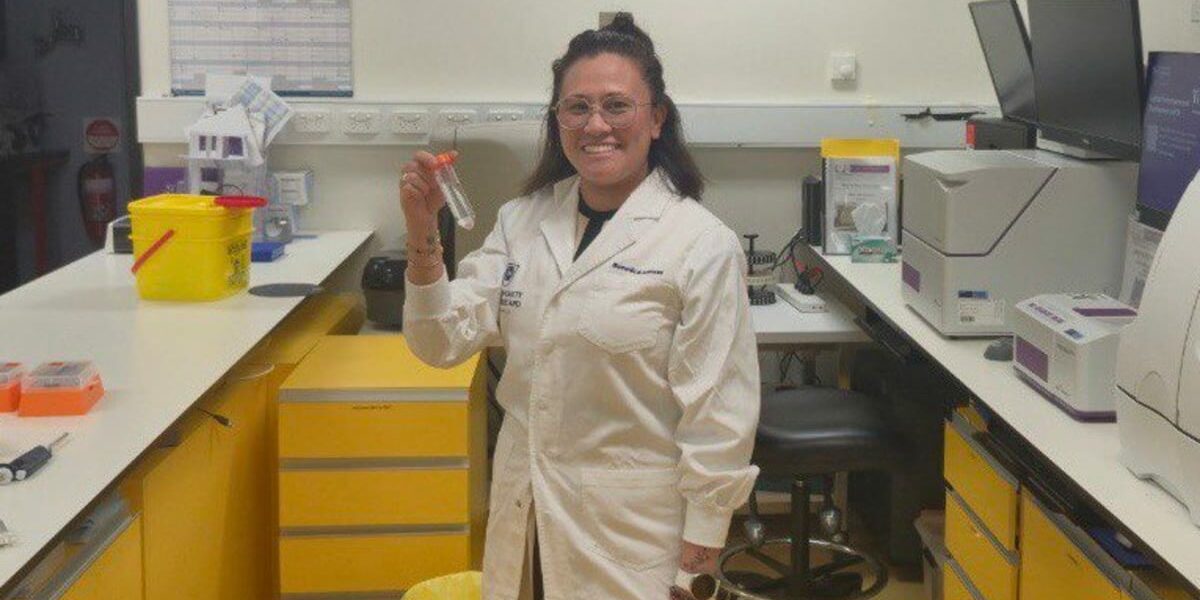
Dr Yates sold the home she shared with her husband to fund this initial study and is currently renting a home.
Since identifying the biomarkers and designing the blood test, Dr Yates has been travelling around the world, pitching her idea and raising capital for the next stage of product development. She has currently raised A$1.2 million (S$1,026,702), including investor funding and government-matching support.
This will fund clinical trials involving 1,000 mothers from Singapore, Australia, India, Europe, and possibly the United States, over the next year. After these trials, the company will file for regulatory approvals for the blood test, and seek certification in markets like Singapore, Europe and Australia, she said.
Dr Yates, who was born to a Eurasian mother and Chinese father explained that Singapore is one of the key markets where she hopes to make the blood test available. “Because I come from Singapore, coming back to my hometown and being able to make a difference is important to me,” she said.