In 2025, Nature searched for the world’s happiest PhD students, anticipating that they might be in Finland. The Nordic nation of long winters and, apparently, the most heavy-metal bands per capita globally is consistently crowned the world’s happiest country, according to the University of Oxford’s Wellbeing Research Centre, UK. Happiness researcher Frank Martela explores what distinguishes the “land of quiet satisfaction” from others. Martela, based at Aalto University in Espoo, Finland, says his fellow Finns “accept life as it is, not making a fuss about what is bad or good” and shunning overt displays of wealth and success. His mantra is “energized contentment”, pursuing chosen projects but not chasing specific job titles or awards. A research career enables him to indulge a love of writing and to be part of a community that embraces discussions with the brightest minds.
Martela urges us to stop caring what others think (being disliked by some, he says, proves “that you are exercising your freedom to be you”), expose ourselves to different viewpoints, not be ruled by our emotions and let go of our egos. Chasing success is also pointless. He quotes Iikka Kokko, a Finnish mathematics prodigy who started university at age 16. When asked what he wanted to accomplish, Kokko said that he would be happy with the life of an average researcher — for him, doing maths was an end in itself.
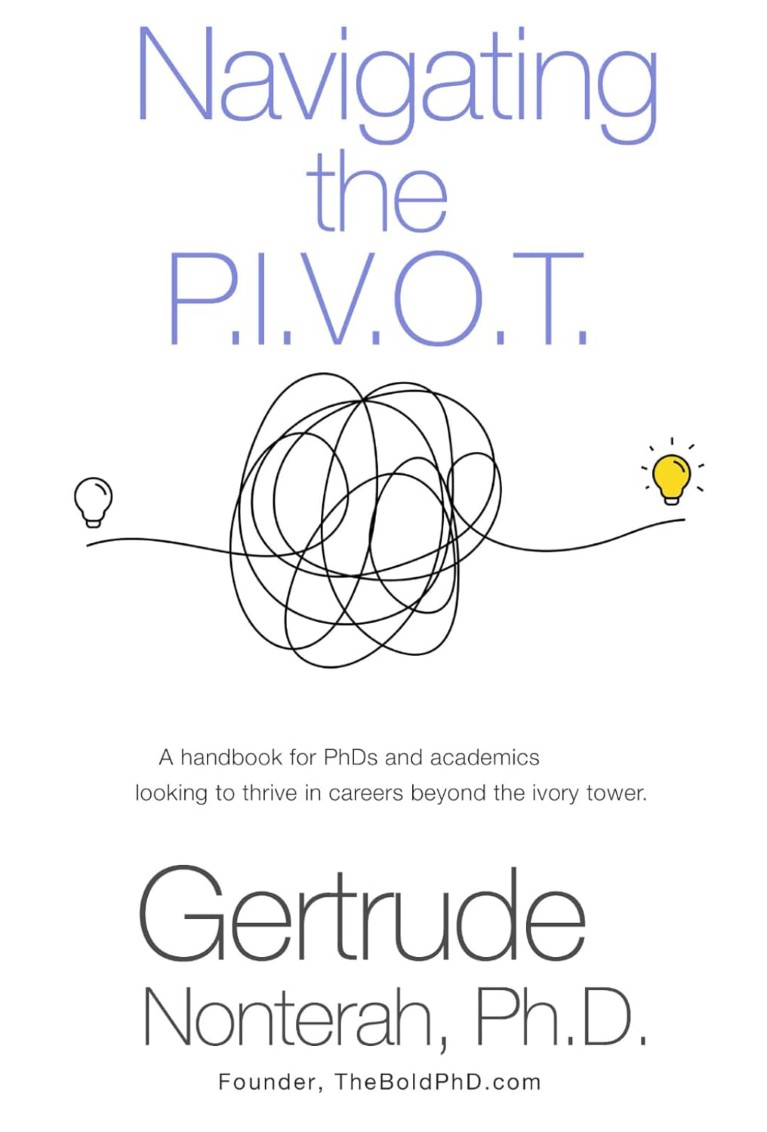
Navigating the P.I.V.O.T.
Gertrude Nonterah Gertrude Nonterah (2025)
In 2018, Gertrude Nonterah lost a postdoctoral position after her laboratory leader’s research funding ran out. Later that year, the Ghanaian researcher landed a role at a biotechnology company, but she was laid off two months later. Losing two jobs in a year left the then 35-year-old despondent. But Nonterah turned what felt like a failure into a career opportunity. As an international researcher in the United States, her focus had been climbing the academic career ladder, gaining a second degree, then a PhD in microbiology and immunology. But having multiple degrees didn’t guarantee her anything.
She now works in medical communications and career counselling through the Bold PhD, a consultancy set up in 2021, and a podcast, which she launched in 2025. Nonterah helps researchers to step off the academic hamster wheel and seek opportunities beyond their specialty.
The first half of the book addresses “mindset” — avoiding the trap of thinking that your career is all about your degree. The second half focuses on the practical: how to network, learn industry language and build a portfolio that showcases your talents and skills.
One story she shares is that of Mary, who, after gaining a PhD in social psychology, realized that she did not want to stay in academia. As a lover of Japanese animation, she decided to apply for a data-analysis job for the California-based company Crunchyroll, one of the biggest streamers of anime. Although the role is a long way from her PhD, the research skills she learnt during her postgraduate study helped her to get the job.
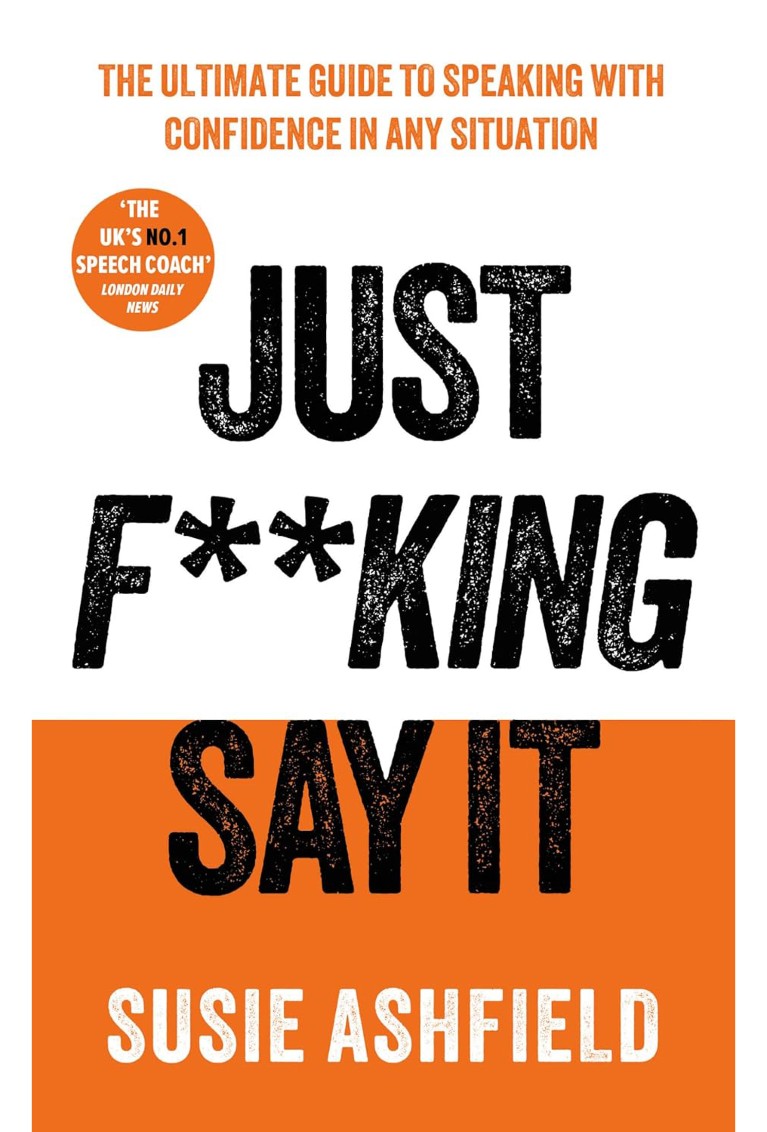
Just F**king Say It
Susie Ashfield Elliott & Thompson (2025)
London-based speech coach Susie Ashfield is lauded for transforming stuffy business executives into “TED Talk–style rockstars” and her first book aims to convince nervous public speakers that “speaking well, in any style, format or environment can be learnt, regardless of how unpleasant it might feel”. Ashfield boils the art of public speaking down to two words: care less. This mantra applies to making a fool of yourself, going red, saying the wrong thing — or whatever it is that stops you making yourself heard. The book’s 19 chapters each cover a type of storytelling, including job interviews (build rapport, remember the interviewers are on your side, ask questions and don’t be self-deprecating, is her advice), pay negotiations, networking events and panel talks. The book also covers how to disagree and communicate with difficult colleagues.
Ashfield’s two rules for delivering effective presentations are: know why you are speaking and sum everything up into a single sentence. Her example is a group of scientists seeking investment for their gene-testing kit. What’s their one-line take-home message? It’s simple, says Ashfield: this test will save lives. So don’t get bogged down explaining the underlying technology, but focus on its life-saving potential instead.
Conference-panel hosts need to remember that “this is not about you” and panellists are warned not to talk over the other guests. And if you don’t know the answer in a Q&A session, be honest. Ask the audience instead.
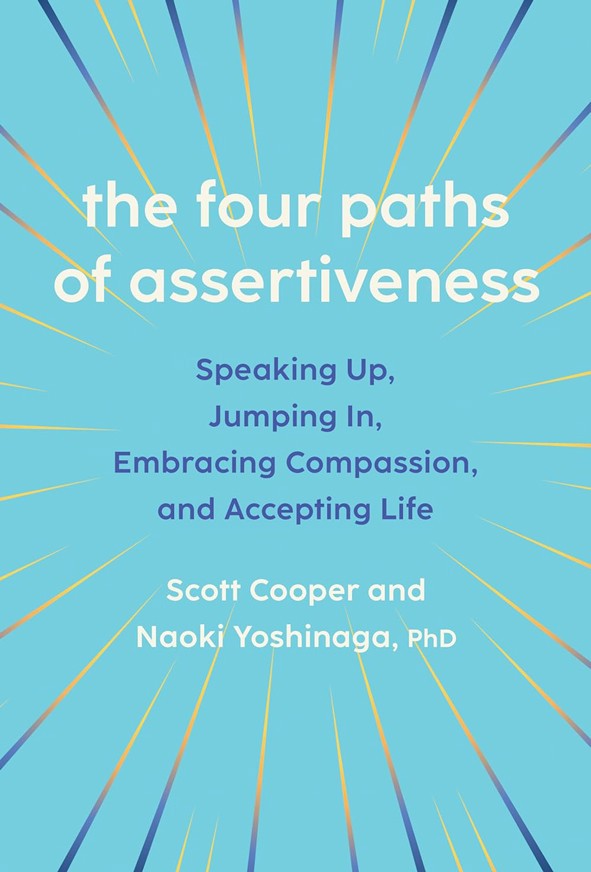
The Four Paths of Assertiveness
Scott Cooper & Naoki Yoshinaga Johns Hopkins University Press (2025)
This comprehensive manual includes advice on dealing with manipulative colleagues, standing up for yourself and advocating for what’s right. Its authors — Scott Cooper, a youth advocate in San Francisco, California, and Naoki Yoshinaga, a psychologist at the University of Miyazaki in Japan — break down assertiveness into: social, behavioural, emotional and mental assertiveness.
Social assertiveness, they say, is expressing what you want and how you feel but without steamrollering others. They offer tips on how to say no, seek a pay rise and tackle shyness and social anxiety. Sometimes, shrugging off a setback or taking responsibility for a mistake is needed, they add.
The behavioural assertiveness section recommends a daily to-do list, always including some that are enjoyable, and breaking down difficult tasks into smaller ones.
Prioritizing personal values, such as helping others and pursuing hobbies, can help readers, the authors say. Rejecting values imposed by others, as Isaac Newton did when he chose physics even though his mother wanted him to be a farmer, proves that we are the ultimate judge of what’s right for us.
The emotional assertiveness section quotes happiness researcher Barbara Fredrickson, who says that people are more likely to perform well with a minimum three-to-one ratio of positive to negative communication. Finally, mental assertiveness is an acceptance of life’s ups and downs. If you’ve just made an error, don’t dwell on it but tell yourself: “Mistakes are part of life. I’ll learn from them and move on.”
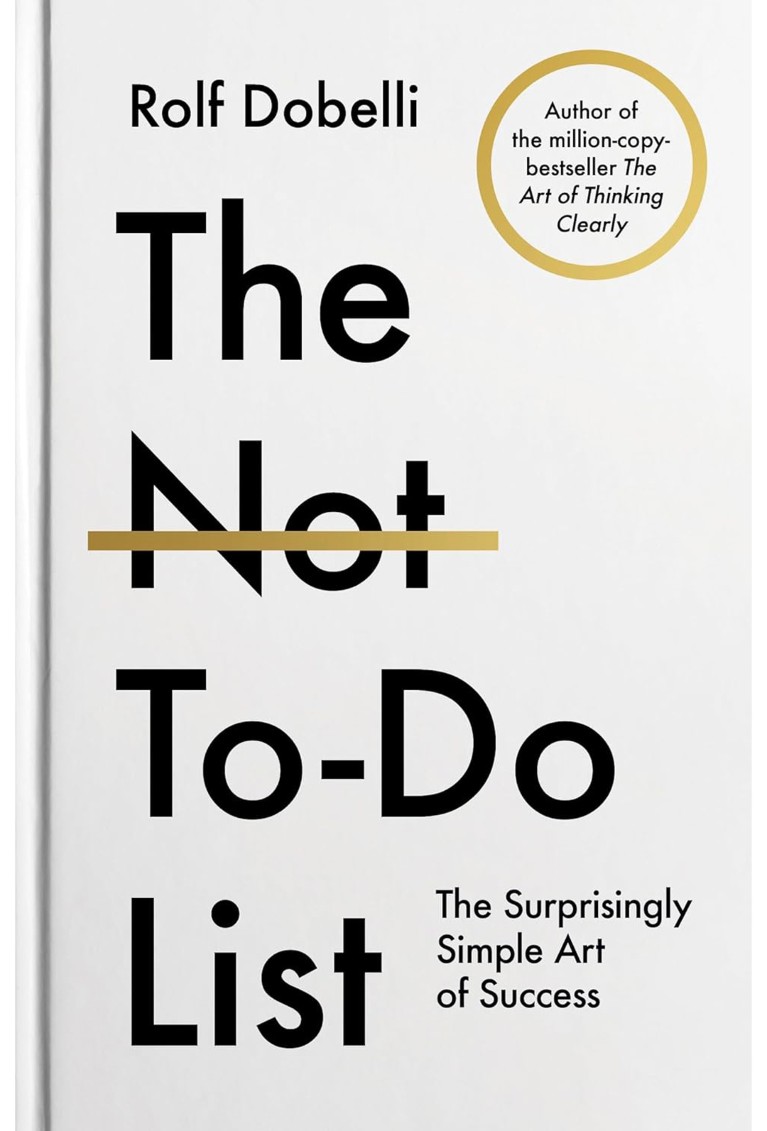
The Not To-Do List
Rolf Dobelli Allen & Unwin (2025)
Swiss entrepreneur Rolf Dobelli turns the self-help book into a manual for self-sabotage. Instead of telling you how to live a happy and successful life, his tongue-in-cheek tome lists actions that will make your life harder. The 52 pithy chapters include headings ranging from ‘Be Unreliable’ to ‘Trade Your Reputation for Money’ and ‘Cultivate a Victim Mentality’. ‘Be An Asshole’ recommends feeding your colossal ego by flaunting photographs of yourself on your office wall, to “be your own biggest fan — that way, you can be sure there’ll always be someone who likes you”.
Dobelli doesn’t claim to be the first business writer to use reverse psychology, but he says that we can learn much more from dissecting failure than success. In a chapter entitled ‘Get Stuck in Your Career’ he writes: “If you want a life devoid of prospects: choose your very first job as your lifelong career. Then stay in the industry for better or worse, even if it’s dying.” And in ‘Never Be Playful’, he recommends being sombre, uptight and joyless — cautionary figures include US theoretical physicist and Nobel laureate Richard Feynman, who played bongo drums in his spare time.
The ‘Spin Multiple Plates’ chapter urges readers to start lots of projects and tasks but do them all badly because there’s too much going on. Dobelli namechecks the US computer scientist Cal Newport, author of the 2024 book Slow Productivity, who in an interview with Nature highlighted how the barrage of e-mails and Slack notifications many of us face hampers our effectiveness and contributes to feelings of burnout.
Patriarchy Inc
Cordelia Fine Atlantic Books London (2025)
Men still earn more, work fewer hours in the home and have more leisure time than women, says Cordelia Fine, a psychologist and workplace gender-equity researcher at the University of Melbourne, Australia. Fine cautions against thinking (in richer Western countries at least) that the battle for equal rights has been won. Why, she asks, are 81% of film screenwriters male, when it is “a job seemingly custom-built for stereotypical feminine skills” and interests, such as language and people — an even steeper gender imbalance than that seen in PhD graduates in computer science and maths?
Fine highlights a study looking at bias against women in university science careers — the researchers found such a bias in only two metrics out of six and even a bias against men in one. “Institutions should get credit for the progress they have made,” the researchers said. But Fine points out that some criteria are hard to measure, such as invitations to speak on panels, opportunities to contribute to journals or work on editorial boards. These depend on relationships with senior scientists. People are biased towards others similar to them, so if senior scientists tend to be male, they are more likely to offer a leg-up to other men, she says. Fine concludes by calling for a society that rejects gendered job roles; accepts that all workers will have caring responsibilities at some point; and is alert to the “deeply embedded” gender system in childhood. She equates gender-specific toys to unequal division of labour at home.
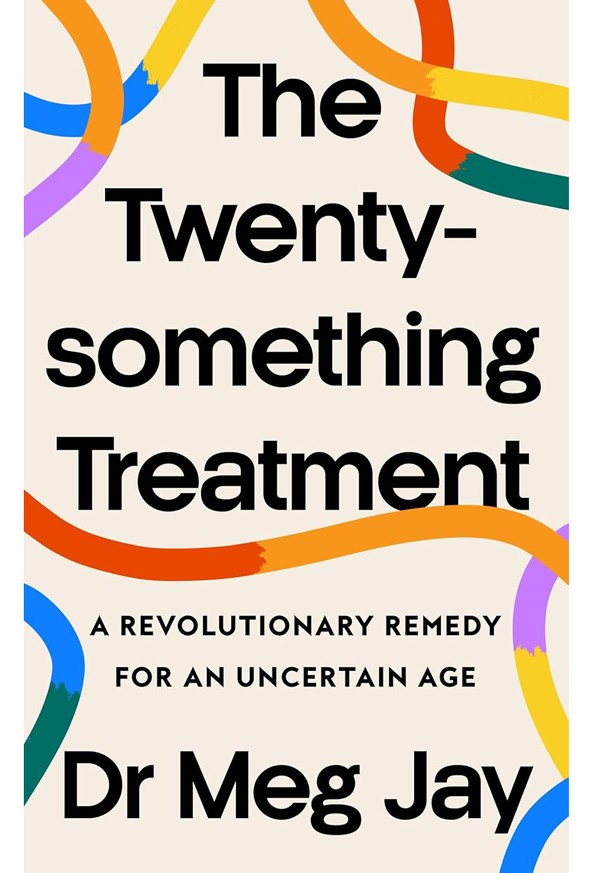
The Twentysomething Treatment
Meg Jay Simon & Schuster (2025)
Eighty per cent of life’s defining moments take place by the time a person is 35, says Meg Jay, a clinical psychologist in Charlottesville, Virginia. Her 20-something clients are living in a world of “peak uncertainty”, she adds, a sentiment that will doubtless resonate with early-career researchers worldwide. Jay cites the threat of climate change, the COVID-19 pandemic and the rise of social media as factors contributing to this instability. Her book explains how “situational stressors” (such as exam preparation and relationship break-ups) often result in unhelpful diagnoses of depression. She encouraged one of her clients to talk to his professor after failing a class; the professor convinced him that a single academic setback didn’t make him a failure.
Her remedy includes jumping into life and not talking yourself into depression or anxiety. Work, says Jay, “forces growth and change in a way that few of us can accomplish on our own” and your twenties are the key time to acquire skills and to learn from older, more experienced colleagues. Also, gaining skills can help in other aspects of life, from love to friendships.
Jay outlines how today’s 20-somethings are faced with a dizzying array of choices. To make sense of this, she advises the use of heuristics: “mental shortcuts that allow us to make decisions without considering all the information”. She adds: “Rather than trying to factor everything in, we use a smaller number of variables to make up our minds.”
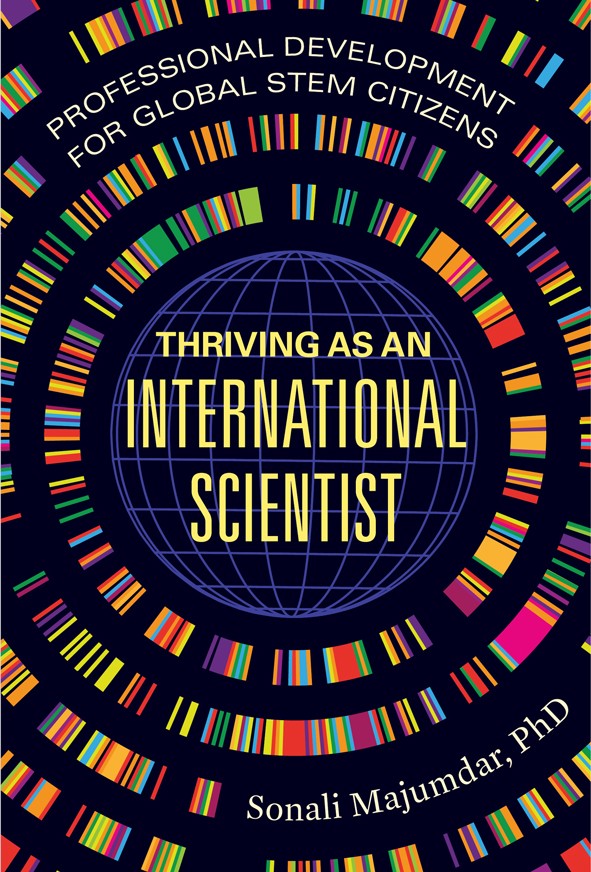
Thriving as an International Scientist
Enjoying our latest content?
Log in or create an account to continue
Access the most recent journalism from Nature’s award-winning team
Explore the latest features & opinion covering groundbreaking research