This post was originally published on here
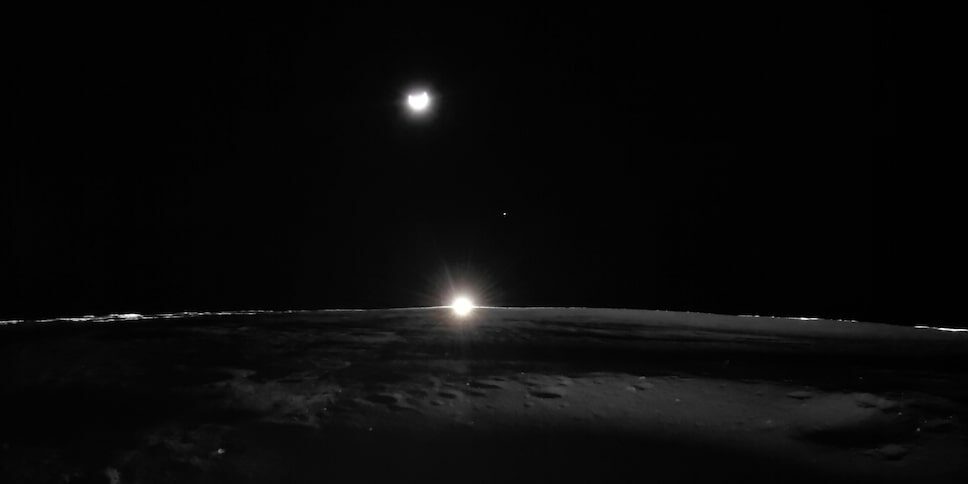
1 What did a spacecraft called Blue Ghost achieve on March 2, 2025?
a. the first landing on the moon’s far side
b. the first landing at the moon’s south pole
c. the first successful commercial lunar landing
d. the first observation of a total lunar eclipse from the moon
c. Built by Firefly Aerospace of Cedar Park, Tex., Blue Ghost Mission 1 touched down on Mare Crisium upright and in good working order – a first for commercial spacecraft after a number of previous attempts by others. During its two weeks of operations, Blue Ghost also witnessed the sun disappear behind Earth during a total eclipse of the moon on March 14 – but it was not the first lunar lander to do so. The U.S. robotic probe Surveyor 3 was on the moon during a total eclipse on April 24, 1967, and captured a grainy image of the event.
2 Which astronomical facility announced its debut this year with the release of this image of the Lagoon and Trifid nebulas?
a. Albert Einstein Observatory
b. European Extremely Large Telescope
c. Giant Magellan Telescope
d. Vera Rubin Observatory
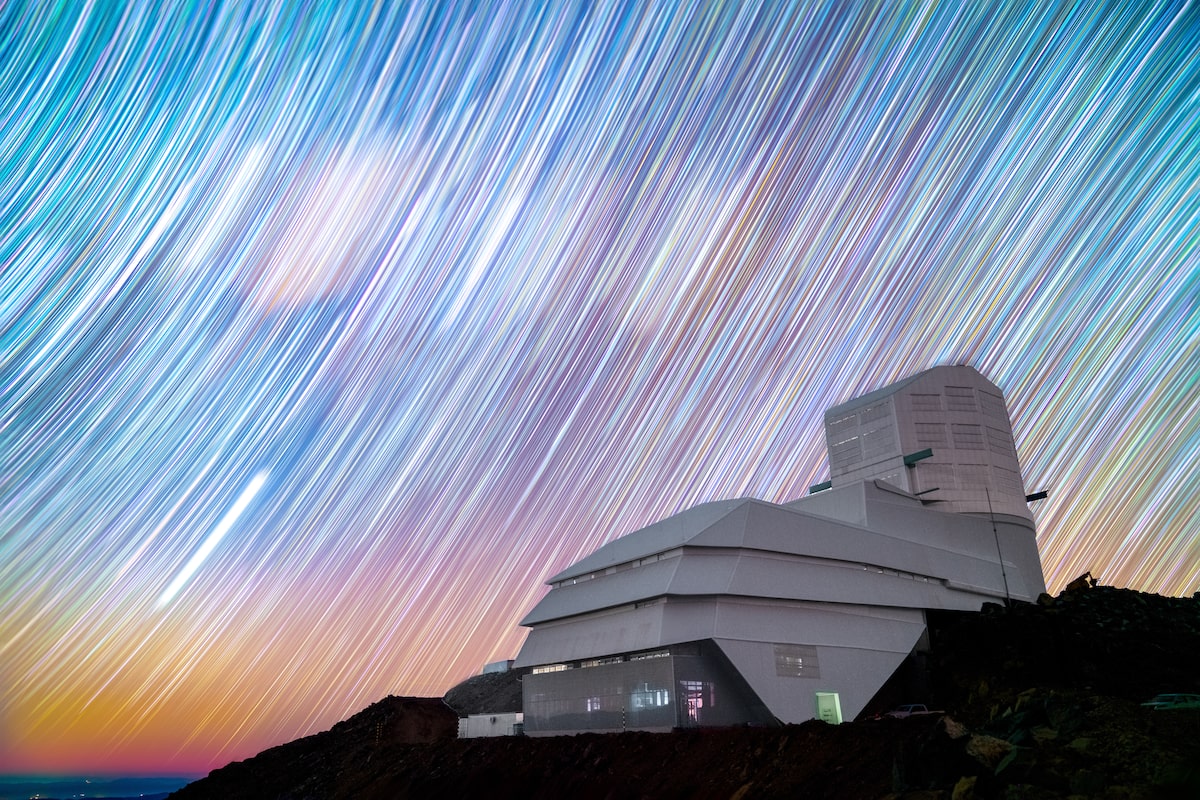
d. The observatory’s telescope has an unusually wide field that captured the two nebulas in stunning detail. After seeing first light this year, the facility’s main task will be to survey the entire sky every three nights to spot changes and to map the deep universe.
3 What is interesting about Comet 3I/ATLAS, which made its closest approach to Earth last week?
a. it is rich in rare-earth elements
b. it came from another solar system
c. it was the first comet to be discovered using artificial intelligence
d. it has a greater than 0.1-per-cent chance of hitting Earth during its next visit
b. The comet’s orbit has the shape of a hyperbola, which means it isn’t bound by the sun’s gravity and is just passing through after having escaped another solar system long ago. The comet’s extrasolar origins have fuelled an endless (and mostly unscientific) stream of online speculation about whether or not it is an alien spacecraft. So far the comet has not weighed in on this idea.

4 What is special about metal-organic frameworks, materials that were the focus of this year’s Nobel Prize in Chemistry?
a. they are extremely porous
b. they come from another solar system
c. they are lighter than wood but stronger than steel
d. they are superconductors of electricity at room temperature
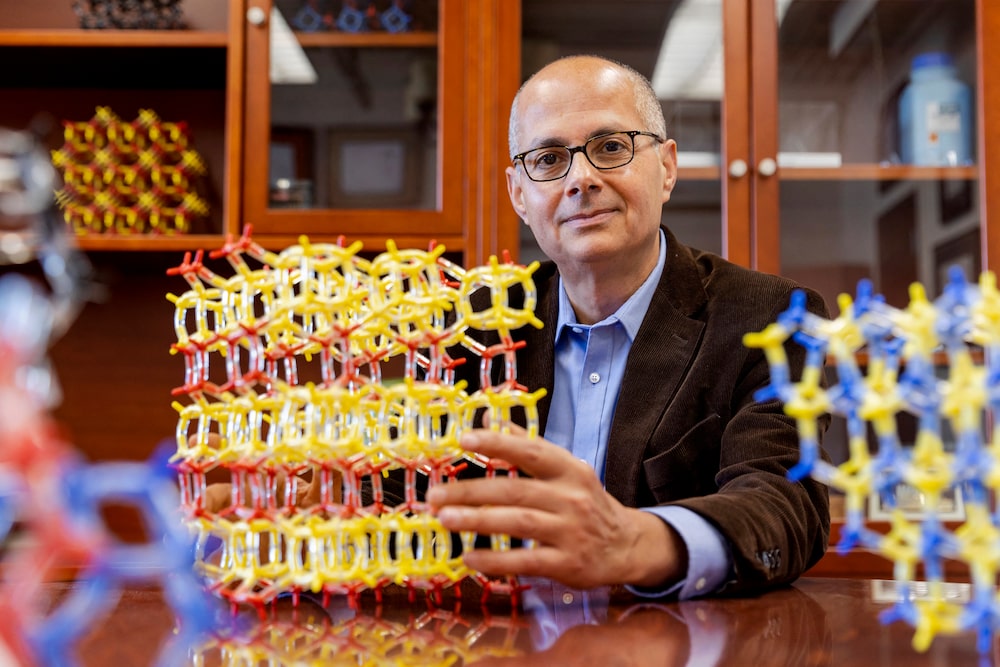
a. The molecular structure of MOFs create tiny spaces that can hold surprisingly large volumes of other molecules, including gases. First developed in the 1980s and 90s, they have potential applications for storing carbon or trapping toxins during environmental cleanups.
5 What did Canadian scientists determine this year about the Nuvvuagittuq Greenstone Belt, a section of rock found in northeastern Quebec, near Hudson Bay?
a. it is rich in rare-earth elements
b. it came from another solar system
c. it contains Earth’s oldest rocks found to date
d. prior to European arrival, its rock was traded all across the Arctic to make stone carvings
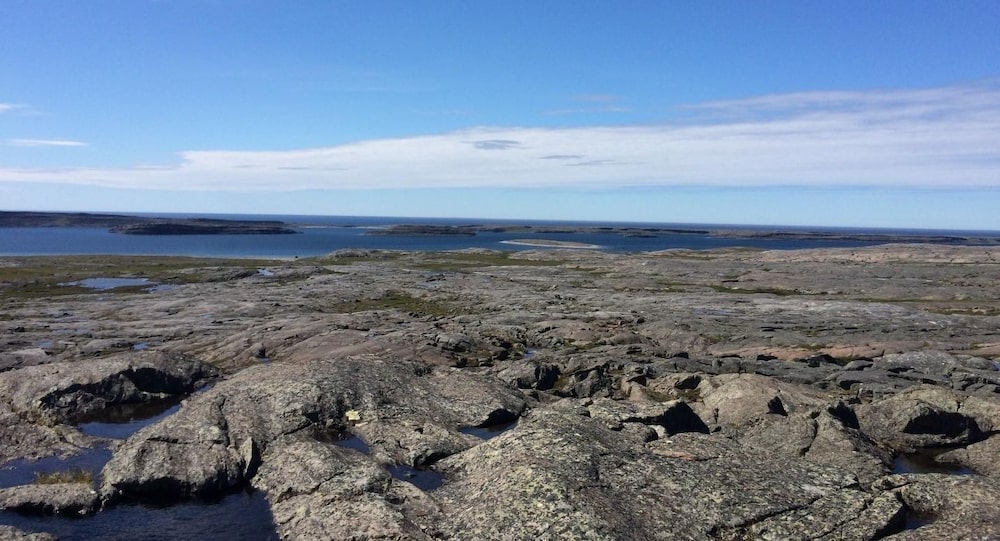
c. In a June study, scientists used isotopes to show that some intrusions in the belt solidified about 4.2 billion years ago. That means they formed during the Hadean Eon – the mysterious and extreme first chapter of Earth’s geologic history.
6 This year’s two most powerful earthquakes were both centred offshore and in the same part of the world. What land area was closest to where the earthquakes occurred?
a. Davao, the Philippines
b. Kamchatka, Russia
c. Magallanes, Chile
d. Suffolk, England
b. The two earthquakes off the coast of Russia’s Kamchatka Peninsula occurred on July 29 and Sept. 18. The first of those registered a whopping 8.8 magnitude, and is tied with past events in Chile and Ecuador for the sixth-strongest earthquake ever recorded. Because of its remote location, only one death was indirectly caused by the first Russian earthquake, during tsunami evacuation procedures in Japan. The second quake in the same Kamchatka region was an aftershock of the first. It was a magnitude 7.8 event and caused no deaths.
7 Which Atlantic hurricane was this year’s most severe?
a. Chantal
b. Gabrielle
c. Melissa
d. Milton
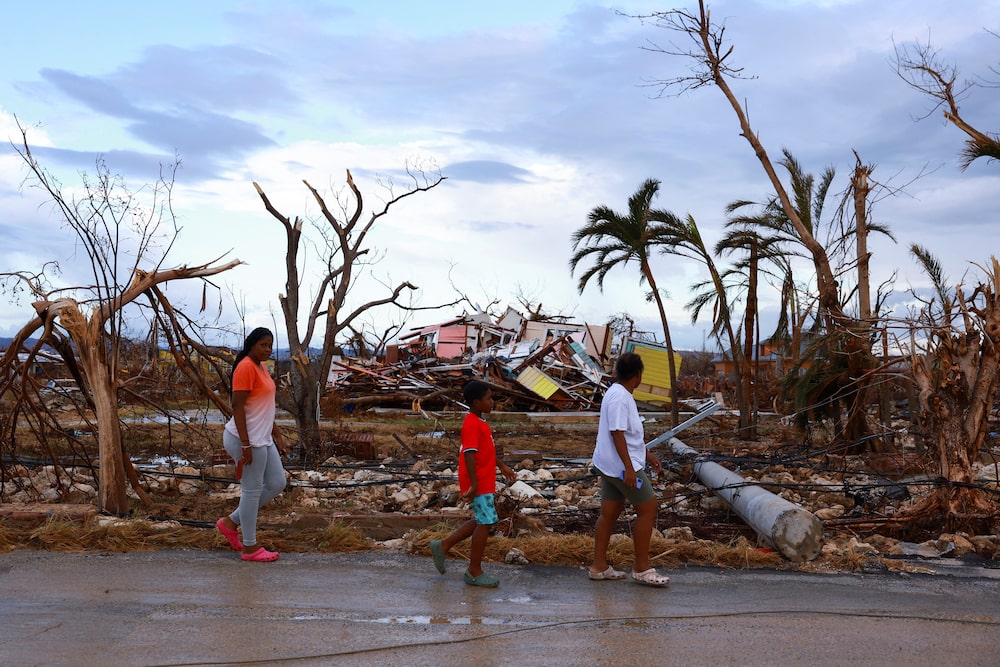
c. Melissa was a Category 5 hurricane on Oct. 28 when it made landfall in Jamaica to devastating effect. It is the third-most intense Atlantic hurricane ever recorded. An attribution study determined that such severe events are now approximately five times more likely in that part of the Caribbean Sea because of human-caused global warming.
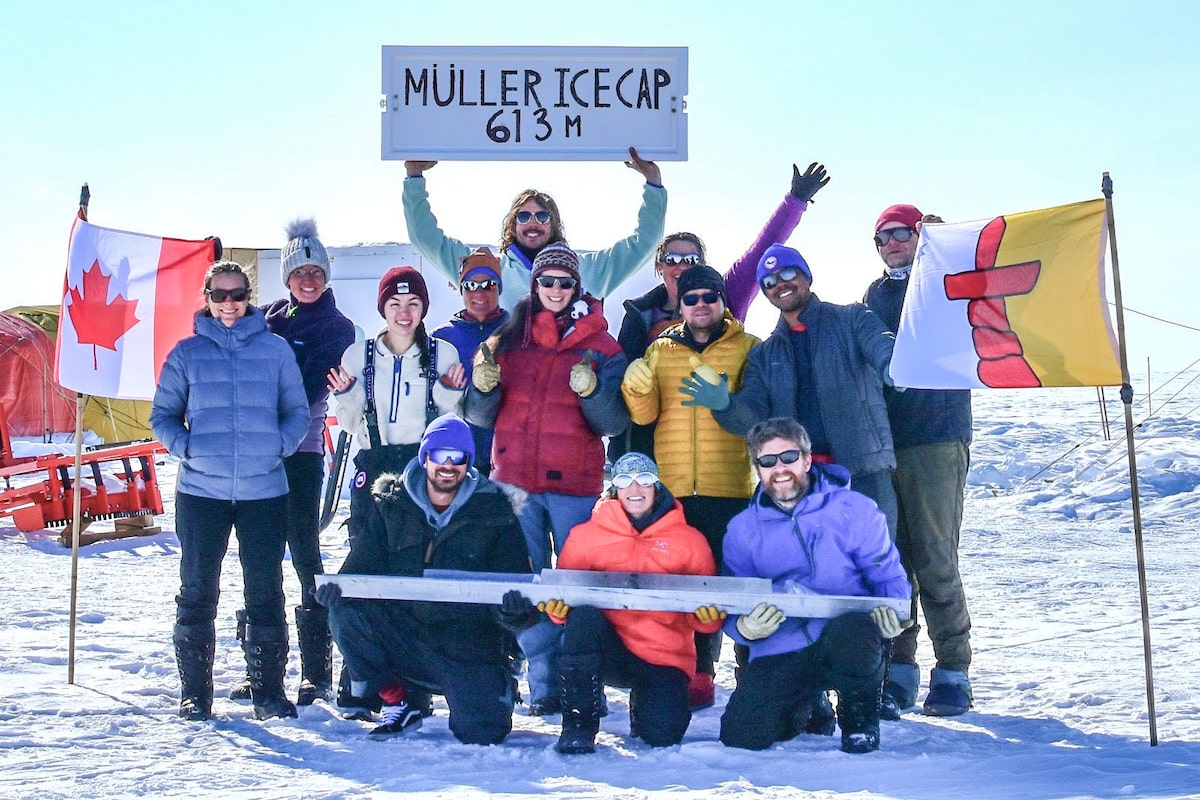
8 Last spring, a Canadian-Danish team drilled the deepest ice core ever obtained from a glacier in Canada. On which Arctic island did they extract the 613-metre-long ice core?
a. Axel Heiberg Island
b. Baffin Island
c. Cape Breton Island
d. Devon Island
a. It took just over four weeks to drill the ice core, which carries a record of more than 10,000 years of Canadian Arctic climate history within its frozen layers.
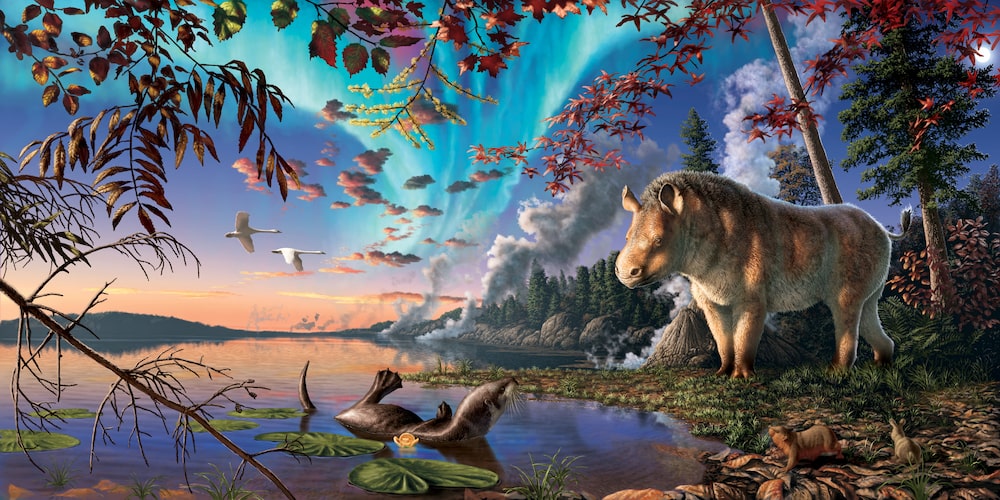
9 Scientists at the Canadian Museum of Nature this year revealed the nearly complete skeleton of an ancient rhinoceros that lived beside a crater lake during a warm period some 23 million years ago. On which Arctic island was the rhino fossil discovered?
a. Axel Heiberg Island
b. Baffin Island
c. Cape Breton Island
d. Devon Island
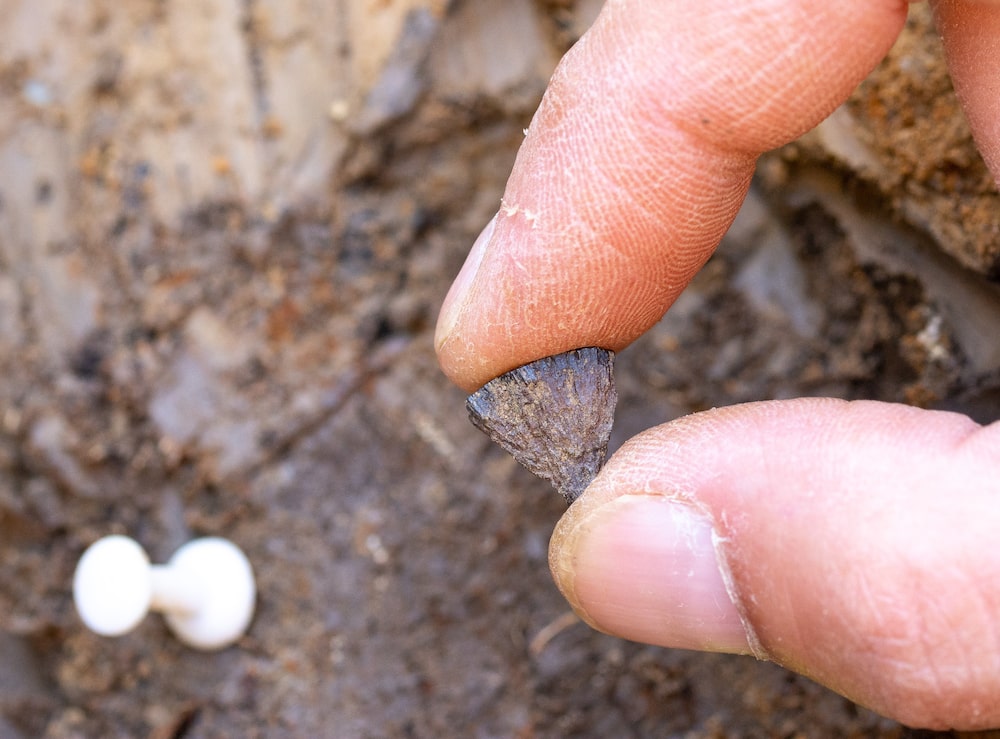
d. In 1984, paleontologist Mary Dawson spotted a tooth – the first piece of “Frosty” the rhino – emerging from the permafrost in the Haughton impact crater on Devon Island.
10 Based on a recent genetic study, which domesticated animal first appeared in Europe around 2,000 years ago?
a. cat
b. chicken
c. cow
d. goldfish
a. The Italian study, published in November, points to a relatively recent arrival for domestic cats in Europe, contrary to earlier thinking. Scientists say cats could have hitched a ride on grain ships sailing for Rome from North Africa.

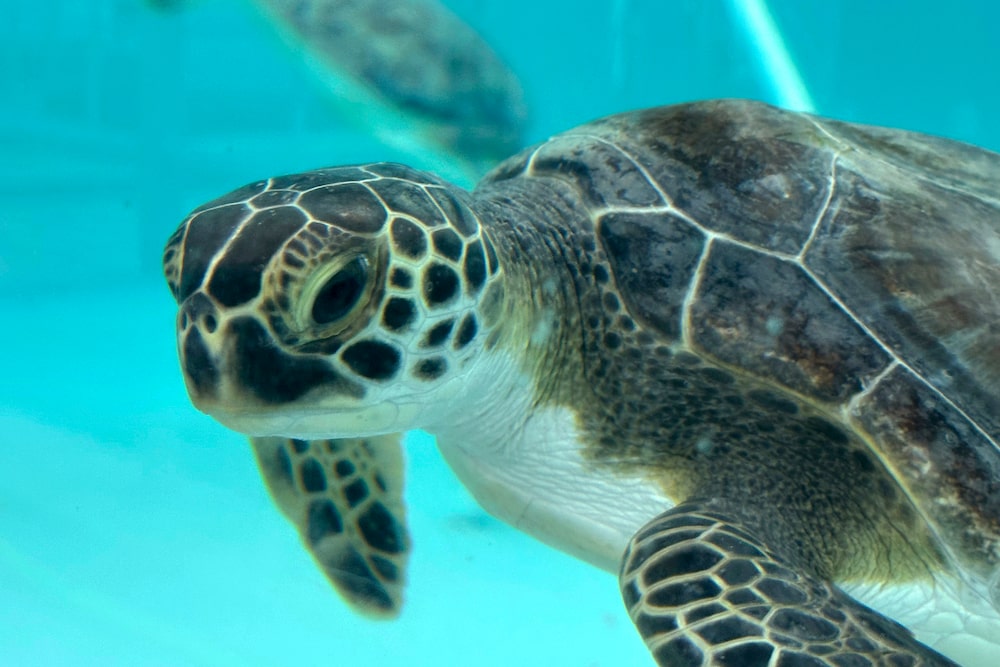
11 Thanks to years of conservation efforts, which marine species ceased to be classified as endangered this year by the International Union for Conservation of Nature?
a. blue whale
b. bluefin tuna
c. green sea turtle
d. goldfish
c. In a significant win for conservationists, the green sea turtle is now in the “least concern” category after many years as an endangered species. The IUCN estimates the turtle’s global population has rebounded about 28 per cent since the 1970s.
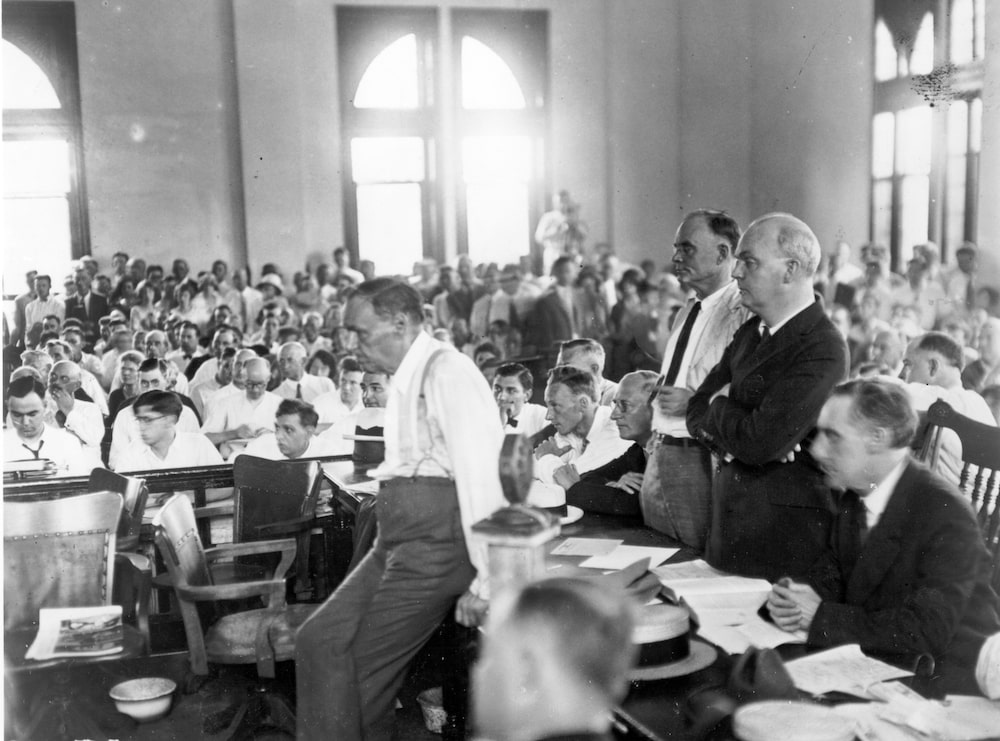
12 What matter was put before a Tennessee courtroom during the famous Scopes “Monkey Trial,” which took place one hundred years ago as of this past July?
a. the teaching of evolution
b. the teaching of monkeys
c. the use of chimpanzees in lab experiments
d. the use of chimpanzees in the silent film Tarzan of the Apes
a. High school science teacher John Scopes was tried for teaching about human evolution in violation of state law. Scopes was found guilty but the ruling was later overturned on a technicality. Unrelated to the trial, no chimpanzees were used in the 1918 production of Tarzan of the Apes, which instead employed human actors in ape costumes. Their performances have since been judged “unconvincing.”
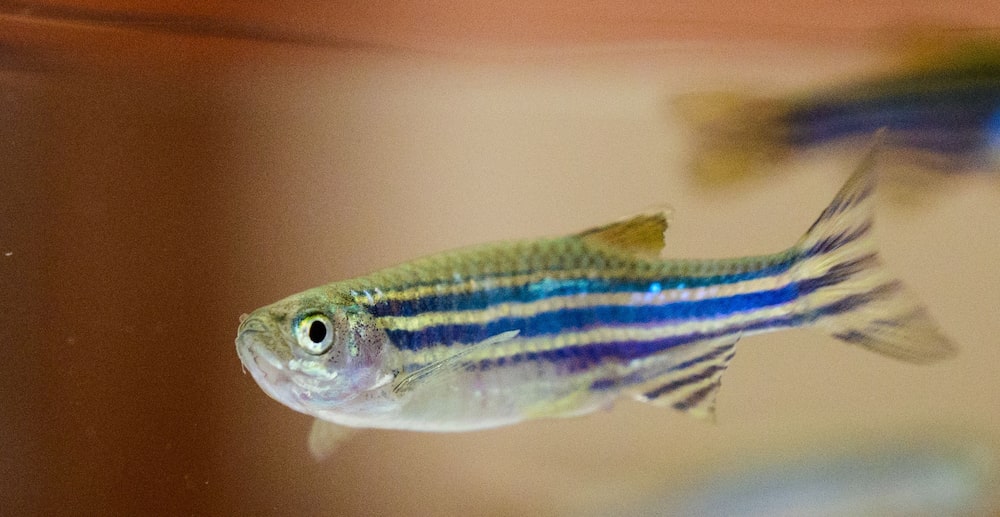
13 In September, scientists revealed that the evolution and development of human hands and feet are based on repurposed genes that were present in our fishy ancestors. What body parts were those genes originally required to build?
a. ears
b. fins
c. gills
d. sex organs
d. In a study published in the journal Nature, the researchers identified a section of DNA known as 5DOM to be associated with the development of human hands and feet. They then found that a version of the same gene was involved in the development of the anus and sexual organs of a zebrafish. This suggests 5DOM played a similar role in the common ancestor we share with the fish.
14 What medical breakthrough did a baby named KJ Muldoon participate in this year?
a. first baby delivered by AI
b. first use of obesity medication in an infant
c. first use of individualized gene editing to treat a disease
d. first time a baby pig liver was transplanted into a human recipient
c. In May, scientists reported that they used a version of the gene-editing technology called CRISPR to correct a gene that produced a faulty version of an enzyme needed for normal metabolism. Because the treatment was specific to the genetic makeup of KJ Muldoon, it ushers in an era of personalized genetic editing as a treatment for rare disease.
[embedded content]
15 Weight-loss drugs known as GLP-1 receptor agonists have been shown to have positive effects in treating health conditions other than obesity. Which of the following was not helped by a version of the drugs in a trial published this year?
a. Alzheimer’s disease
b. cardiovascular disease
c. chronic kidney disease
d. sleep apnea
16 According to a Cambridge University study published in November, at what age, on average, does the brain transition from its adolescent to its adult phase?
a. 16
b. 18
c. 24
d. 32
d. The study, published in the journal Nature Communications, identified four turning points during which the wiring pattern of the brain undergoes a pronounced shift. The child to adolescent shift typically occurs around age nine, the adolescent to adult shift at about 32, adult to early aging at about 66, and early aging to late aging at about 83.
[embedded content]
17 Based on archeological evidence reported this year, what were Neanderthals in Suffolk, England, doing some 400,000 years ago?
a. making fire
b. brewing beer
c. burying their dead
d. building Stonehenge
a. As reported in the journal Nature, researchers working at a site near the village of Barnham in Suffolk found evidence of heated sediments and fire-cracked flint hand axes, along with fragments of iron pyrite – a mineral used to strike sparks with flint.
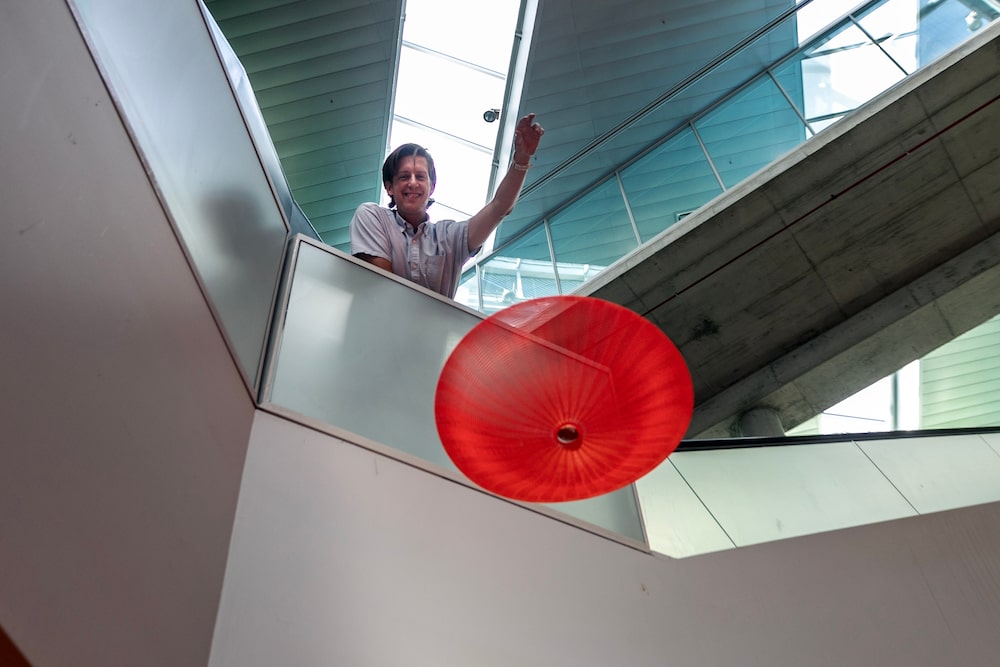
18 This year, engineers at Polytechnique Montréal said they were inspired by kirigami – the Japanese art of paper-cutting – to come up with a new design for what familiar invention?
a. food processor
b. parachute
c. scissors
d. window blinds
b. The researchers found that parachutes made with a mathematical pattern of cuts could descend in a more predictable way, to facilitate dropping packages with improved accuracy.
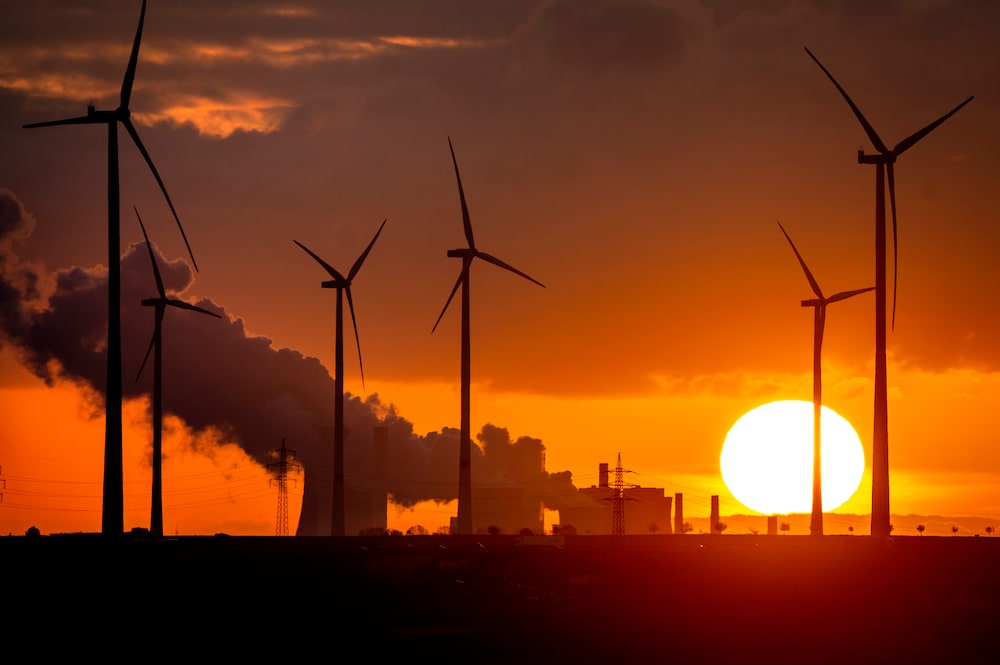
19 What important milestone did the global energy sector achieve this year?
a. renewable energy overtook coal as a source of electricity
b. for the first time, a nuclear fusion experiment produced more energy than was needed to run it
c. human-caused emissions of methane, a powerful greenhouse gas, declined for the first time this century
d. the number of EVs exceeded the number of gasoline-powered vehicles worldwide
a. For now, at least, the other answers listed are definitely not true – but they remain worthy goals to strive for.
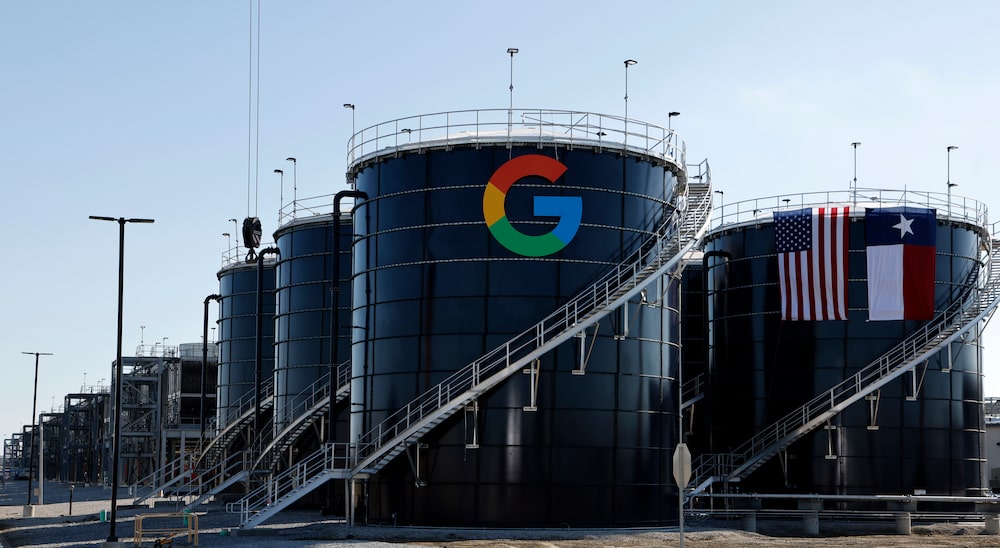
20 With its recently unveiled Project Suncatcher, where does Google aim to build and operate experimental new data centres for AI?
a. in the Canadian Arctic during long summer days
b. alongside a nuclear fusion reactor
c. in the Sahara desert
d. in space
d. According to a November announcement from the company, the project “envisions compact constellations of solar-powered satellites” that would communicate via lasers and perform the massive calculations required by AI and other advanced applications.
How well did you do?
Answer all of the questions to see your result
Outstanding! Thanks for playing, and have a scientastic 2026.
Good effort! Try sharing this quiz with friends to see whether they do any better.
You missed quite a few, but no worries: Take a deeper dive into our science coverage from 2025, then try again!
Science to watch for in 2026: More from The Globe and Mail
The Decibel podcast
When one group of scientists declared they had found a new type of mososaur, another in Alberta called it a fake. Ivan Semeniuk spoke with The Decibel about the feud and the process that might settle it in 2026. Subscribe for more episodes.
Ivan Semeniuk reports
Astronaut Jeremy Hansen explains why Canada is moonward bound
SFU aims to be the test bed for a revolution in wearable technology