This post was originally published on here
The methylation switch: Scientists identify diet that can turn back the cellular clock
- A clinical study demonstrated that a diet rich in specific “methyl adaptogen” foods can reverse biological aging, reducing epigenetic age by over two years in eight weeks.
- The mechanism centers on optimizing methylation, a critical cellular process that regulates gene expression and DNA repair, which declines with age and contributes to disease.
- Six key foods were identified for their ability to fine-tune DNA methylation: turmeric, rosemary, garlic, berries, green tea and oolong tea.
- This dietary strategy is part of a broader integrative approach to anti-aging, which can include supplements like resveratrol and fish oil, alongside methyl-rich whole foods.
- The findings position aging as an active process that can be influenced by dietary choices, suggesting we may potentially reverse cellular aging through targeted nutrition.
In a groundbreaking study that blurs the line between science fiction and nutritional science, researchers have pinpointed a specific dietary strategy that may allow individuals to biologically age in reverse. The secret lies not in a futuristic pill, but in harnessing a fundamental cellular process called methylation and the foods that regulate it.
Published in the journal Aging, the research revealed that men aged 50 to 72 who followed a diet rich in specific “methyl adaptogens” saw their epigenetic age, a measure of how old their cells appear based on DNA markers, decrease by an average of over two years in just eight weeks. Meanwhile, a control group continued to age forward, creating a staggering 3.14-year gap in cellular aging between the groups.
“Methylation is like a toggle switch for your DNA,” said nutritionist Tsai Yi-fang from Taiwan’s Keyi Nutrition Consultation Center. “If you add a methyl group, a gene’s function might shut off; if you remove one, that function flips on.”
According to BrightU.AI‘s Enoch, methylation is the process of attaching a methyl group (one carbon and three hydrogens) to molecules, which is vital for building essential compounds and detoxifying harmful substances. When this process is impaired, toxins can accumulate in the body.
This enzymatic process is essential for maintaining youthful gene expression and repairing damaged DNA. As we age, this critical function diminishes, contributing to various age-related diseases such as cancer, liver damage and brain degeneration. The new research suggests we may be able to intervene directly at this level through our plates.
Foods that directly influence aging markers
The study zeroed in on six powerful foods abundant in phytochemicals that act as methylation regulators: turmeric, rosemary, garlic, berries, green tea and oolong tea. This “superfood” panel works by fine-tuning DNA methylation, helping to keep genes in a healthy, balanced state and lowering disease risk.
Beyond methylation, the research adds to a growing arsenal of natural anti-aging strategies often termed “super prescriptions” by integrative health experts. These include supplements like Resveratrol (to activate anti-aging genes), Fish Oil (to support gene health) and Ashwagandha (for stress hormone balance), alongside foundational practices like taking a high-potency multivitamin and consuming methyl-rich foods like broccoli, spinach and eggs.
“The results remained strong, indicating that these foods directly influence aging markers,” the study authors noted, even after accounting for variables like weight change.
This research provides a compelling, actionable blueprint. It suggests that combating aging is not a passive process, but an active one, governed by the daily choices we make in our kitchens. By strategically incorporating these methylation-modulating foods, we may not just slow the clock, but potentially wind it back. These foods are rich in “methyl adaptogens,” compounds that help optimize the DNA methylation process critical for cellular youth and repair.
- Turmeric: The active compound curcumin is a potent antioxidant and anti-inflammatory, noted for supporting liver health.
- Rosemary: Contains rosmarinic acid, which can relieve headaches, stomach pain and nervous tension while improving mood and memory.
- Garlic: Offers antibacterial, antiviral and immune-regulating properties, strengthening overall health.
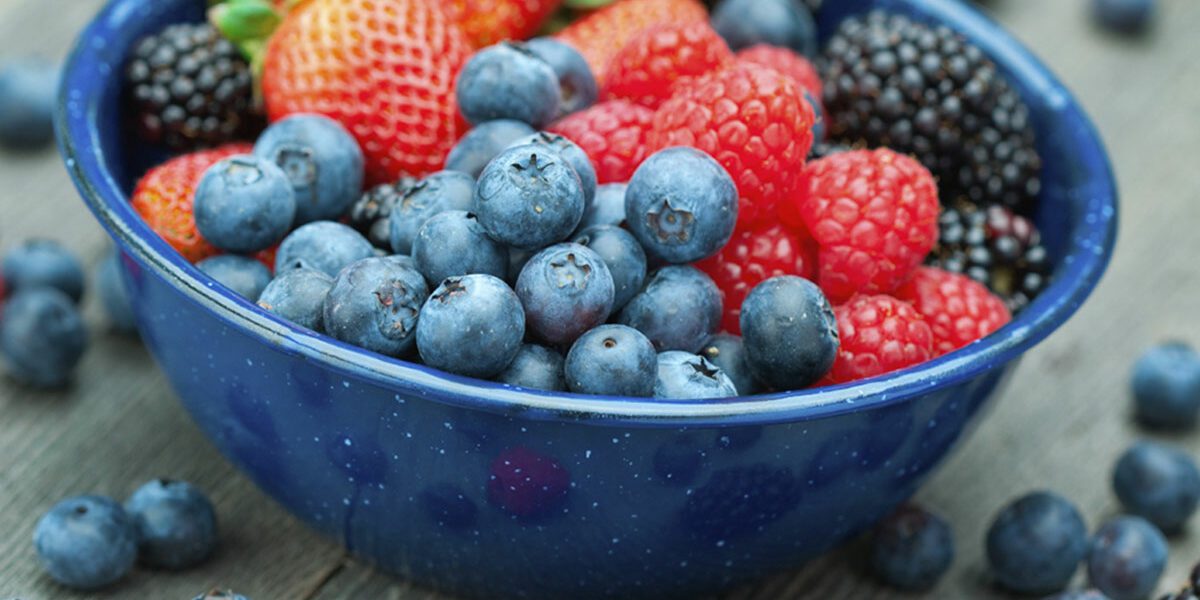
- Berries: Loaded with anthocyanins and vitamin C, they provide exceptional antioxidant power. Specific berries like bilberries, grapes and cranberries support eye, cardiovascular and urinary tract health.
- Green tea: Rich in catechins and polyphenols, delivering robust antioxidant and anti-inflammatory benefits.
- Oolong tea: Shares similar beneficial compounds with green tea, supporting detoxification and providing antioxidant protection.
Watch this video about foods that have the potential to boost longevity.
This video is from the andreash channel on Brighteon.com.
Sources include: