This post was originally published on here
After all of the lights are taken down, the decorations are put away and the daylight hours are still very short, it is easy to find families feeling a bit gloomy. Every year winter rolls in with its not‑so‑charming side effects. Shorter days, colder nights and the sudden urge to hibernate like a well‑fed bear can leave even the sunniest personalities feeling a little blah. And it’s not just in your head.
Researchers have long noted that mood dips are common during the winter months, thanks to a mix of biology, environment and the fact that shoveling snow is not always the preferred form of exercise. Remember, too, that many are facing a budget pinch after the holidays and anticipating receiving W-2 forms.
The science behind the slump
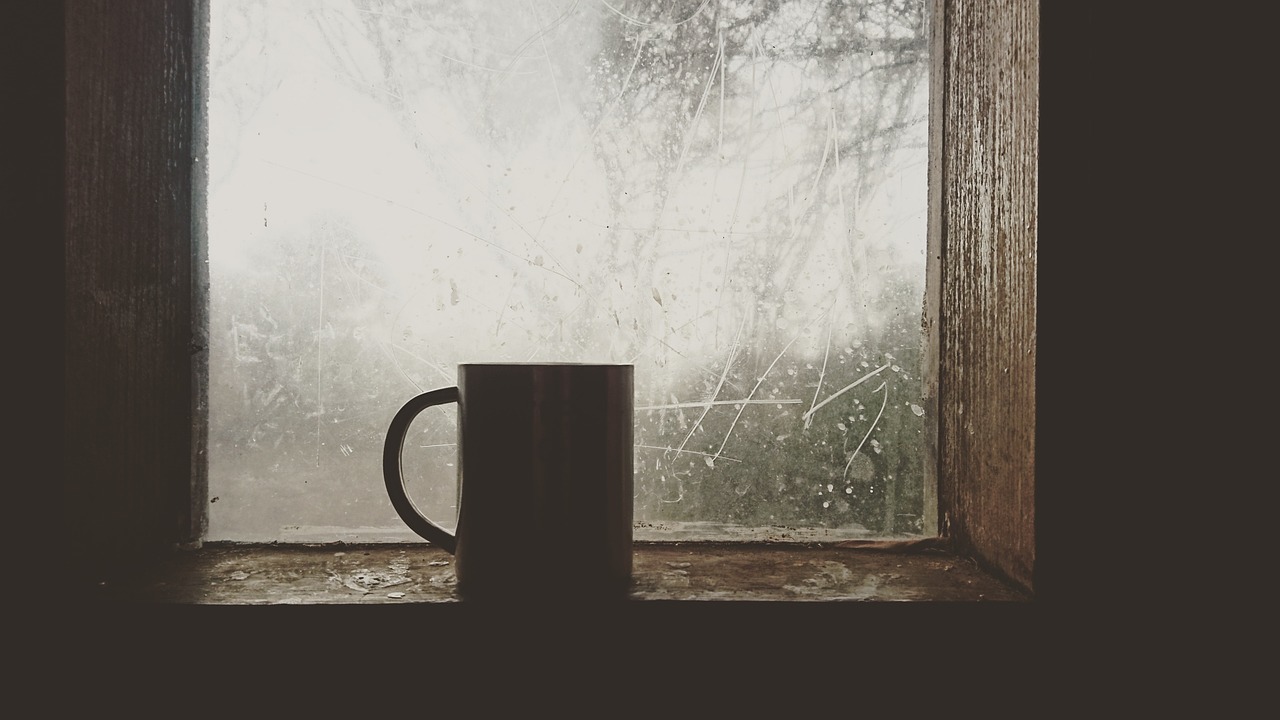
Winter mood changes often stem from reduced sunlight exposure, which can disrupt circadian rhythms and lower serotonin levels. Many people experience what’s known as “seasonal pattern depression,” a milder cousin of seasonal affective disorder. It’s not necessarily clinical, but it’s enough to make you feel sluggish, unmotivated or convinced that 4 p.m. is bedtime. Mental health experts emphasize that acknowledging the slump is half the battle. The other half? Finding ways to bring back energy, connection, and joy — even when the weather makes your surroundings look like an old fashioned black and white photo.
Light therapy
Brighten up your surroundings: During the day, open curtains and let daylight into your home or use full spectrum light bulbs to give you a brighter light. One of the most research‑supported tools is bright‑light therapy. These lamps mimic natural sunlight and help regulate mood‑related hormones. Brighten up your indoors with a flowering plant, hang colorful pictures on the walls or decorate with children’s artwork.
Movement, but make it fun
Exercise is one of the most reliable mood boosters, but winter makes it tempting to snuggle up with a blanket and read a book or watch television. So make movement fun by trying one of the following:
Micro‑workouts. Five‑minute bursts of stretching or movement are trending because they’re doable even when motivation is low.
Online workouts. There are a variety of workout videos online that do not cost anything to try. See if you can find a new workout, and if it includes music, it can really lift spirits.
Cold‑weather dance challenges. These workouts encourage people to bundle up and groove outdoors for 30 seconds at a time. Research shows that even short bouts of physical activity can improve mood and reduce stress.
Cozy routines
Winter is the season of coziness, but mental health experts say intentional coziness is more effective than passive hibernation. That means creating rituals that spark comfort and connection. People are embracing things like “warm beverage rituals,” taking a daily moment to slow down with tea, cocoa or coffee. Others are pursuing creative hobbies like woodworking, knitting or baking and scheduling social time, even if it’s virtual or brief. These small routines help anchor the day and counteract the sense that winter is one long, chilly blur.
Bundle up and get outside
If you are already outside taking care of chores, add some fun. Even if it is just a walk around your house or barn, the fresh air will do wonders.
It turns out that stepping outside — even for a few minutes — can significantly improve mood. Exposure to natural light, fresh air and outdoor scenery helps regulate stress hormones. Some people are taking this to heart with “micro‑nature breaks:” a quick walk around the barn or the house, a moment on the porch or a winter “sport.” Go for a sled ride, try ice skating or start a snowball fight.
Time with family and friends
Perhaps the most powerful antidote to the winter slump is connection. Humans are social creatures, and winter tends to isolate us. Mental health professionals note that social interaction increases oxytocin, reduces loneliness and helps people feel grounded. Even a quick chat with a friend can brighten a dark day.
Using lights, making cozy rituals, taking outdoor breaks and spending time with others may help people enjoy the darkest months of the year. We can prevent the darkness from dimming our spirits.