This post was originally published on here
In 2025, science is more accessible to the public than ever. Citizen science programs are designed to recruit help from interested members of the public and contribute to scientific observations and research. Invasion science heavily relies on species observation and reporting, so citizen science programs are a great tool to use in this field of research. From volunteering to participating in surveys, citizen input helps scientists better understand the occurrence and spread of invasive species.
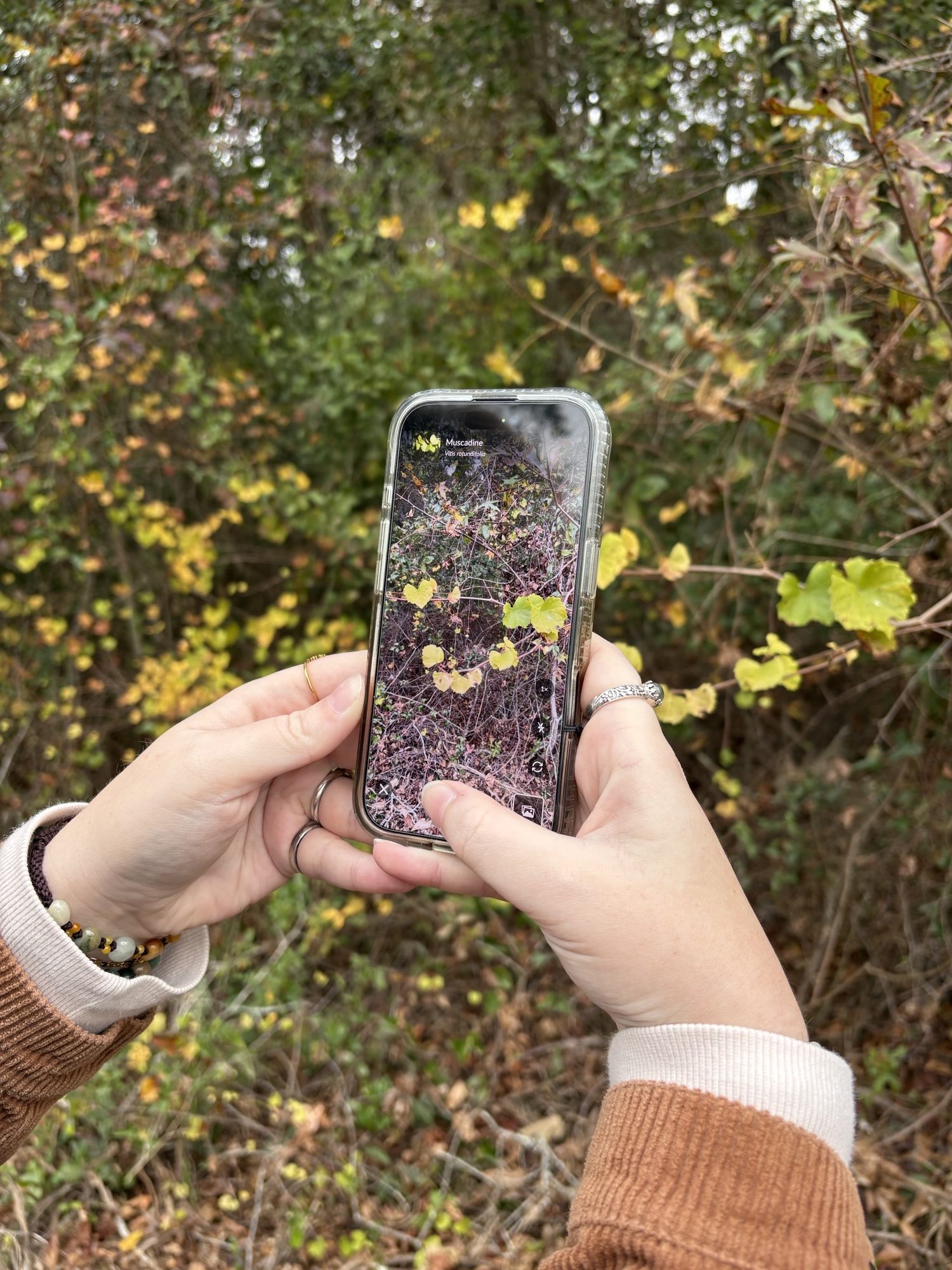
Our phones have made citizen science programs extremely accessible. With just a few taps, you can contribute to invasion science research, too! Citizen science reporting apps allow anyone to identify species and report their observations to databases that scientists can use. Continue reading to learn how you can be a citizen scientist just by using your phone!
iNaturalist
, commonly called iNat by users, is a mobile app used for identifying and recording observations of plants, animals, and insects. You can either take a photo using the app or upload a picture from your camera roll. iNat will then analyze the photo and identify the species that you observed. Once you upload your observations, other users can view them and confirm the species, helping to create peer-reviewed, research-quality data that scientists can use.
EDDMapS
The (EDDMapS) tracks invasive species observations in real-time through electronic identification and reporting tools. EDDMapS collects data from citizen science observations and other databases to create a nationwide distribution map of invasive species.
EDDMapS has many mobile and desktop apps, including – an invasive species reporting app that uploads your data directly into the database. Reports made in IveGot1 are sent to local and state verifiers to ensure accurate identification. Agencies like the Florida Fish and Wildlife Conservation Commission (FWC) and the Florida Natural Areas Inventory (FNAI) act as data sharing partners on this platform.
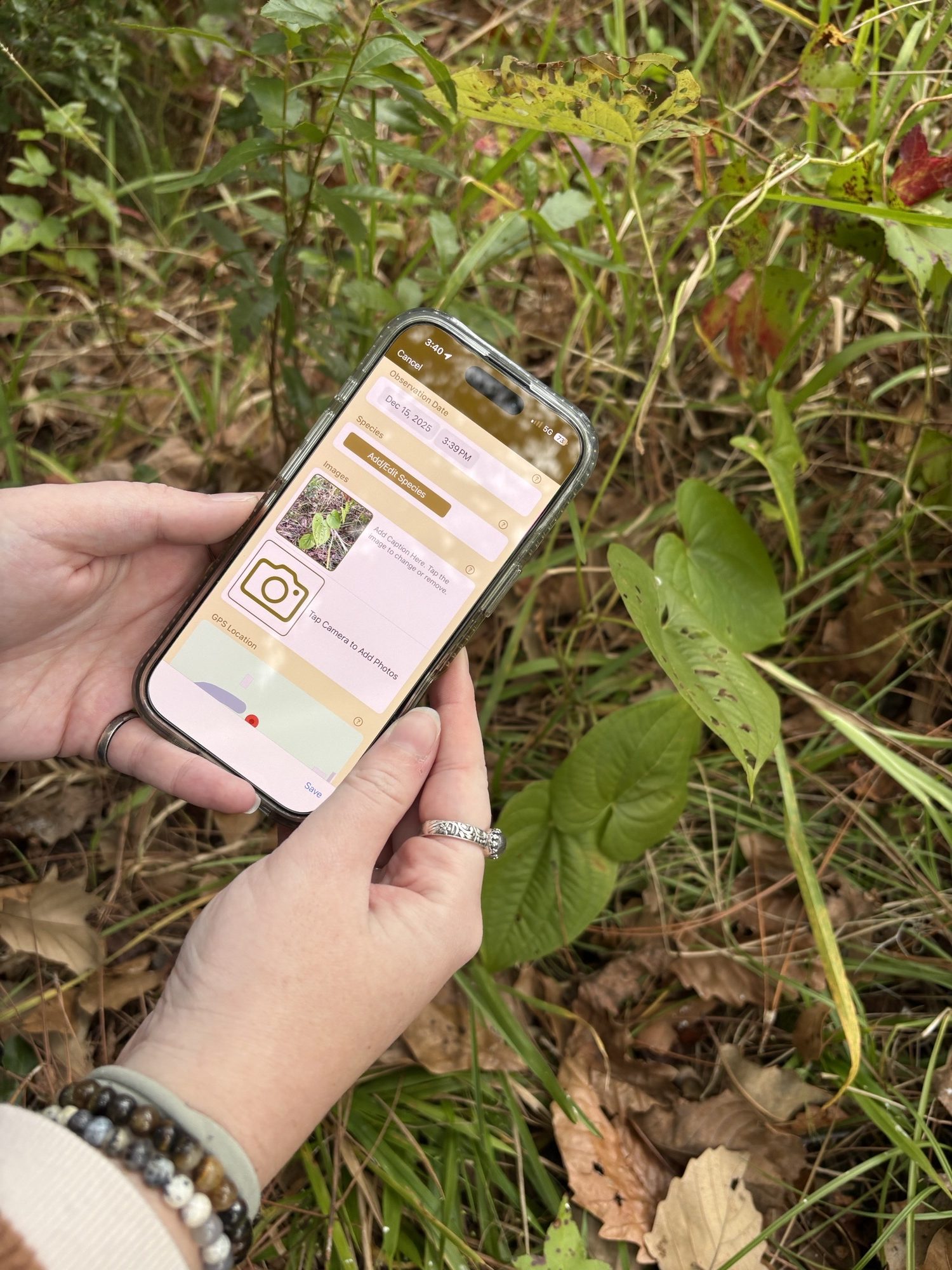
You Can Be a Scientist, Too!
Contributing to these citizen science databases not only helps scientists, but also gives the public a way to feel involved in real-life research and data collection. Consider downloading these apps from the app store on your mobile device so next time you spot an invasive species, you can become a citizen scientist and contribute to invasion science research!


0