This post was originally published on here
Researchers have unlocked a way to grow the immune system’s “conductors” from stem cells, bringing ready-made cancer-fighting therapies a big step closer.
For the first time, scientists at the University of British Columbia have shown they can consistently create a critical type of human immune cell, known as helper T cells, starting from stem cells in a carefully controlled laboratory environment.
The results, published today (January 7) in Cell Stem Cell, address a long-standing obstacle that has slowed progress in cell-based medicine. Until now, this challenge has limited how quickly these therapies could be developed, how affordable they could become, and whether they could be produced at large scale. The advance points toward off-the-shelf immune treatments that could be easier to access and more effective for conditions ranging from cancer to infectious and autoimmune diseases.
“Engineered cell therapies are transforming modern medicine,” said co-senior author Dr. Peter Zandstra, professor and director of the UBC School of Biomedical Engineering. “This study addresses one of the biggest challenges in making these lifesaving treatments accessible to more people, showing for the first time a reliable and scalable way to grow multiple immune cell types.”
The Promise and Limits of Living Drugs
In recent years, engineered immune treatments such as CAR-T therapy have produced remarkable, sometimes lifesaving outcomes for people with cancers that were once considered untreatable. These approaches work by reprogramming a patient’s immune cells so they can identify and destroy disease, effectively turning those cells into “living drugs.”
However, despite their success, most cell therapies remain difficult and expensive to make. Many patients around the world still cannot access them. A major reason is that current treatments are usually made from a patient’s own immune cells, which must be collected and customized over several weeks for each individual.
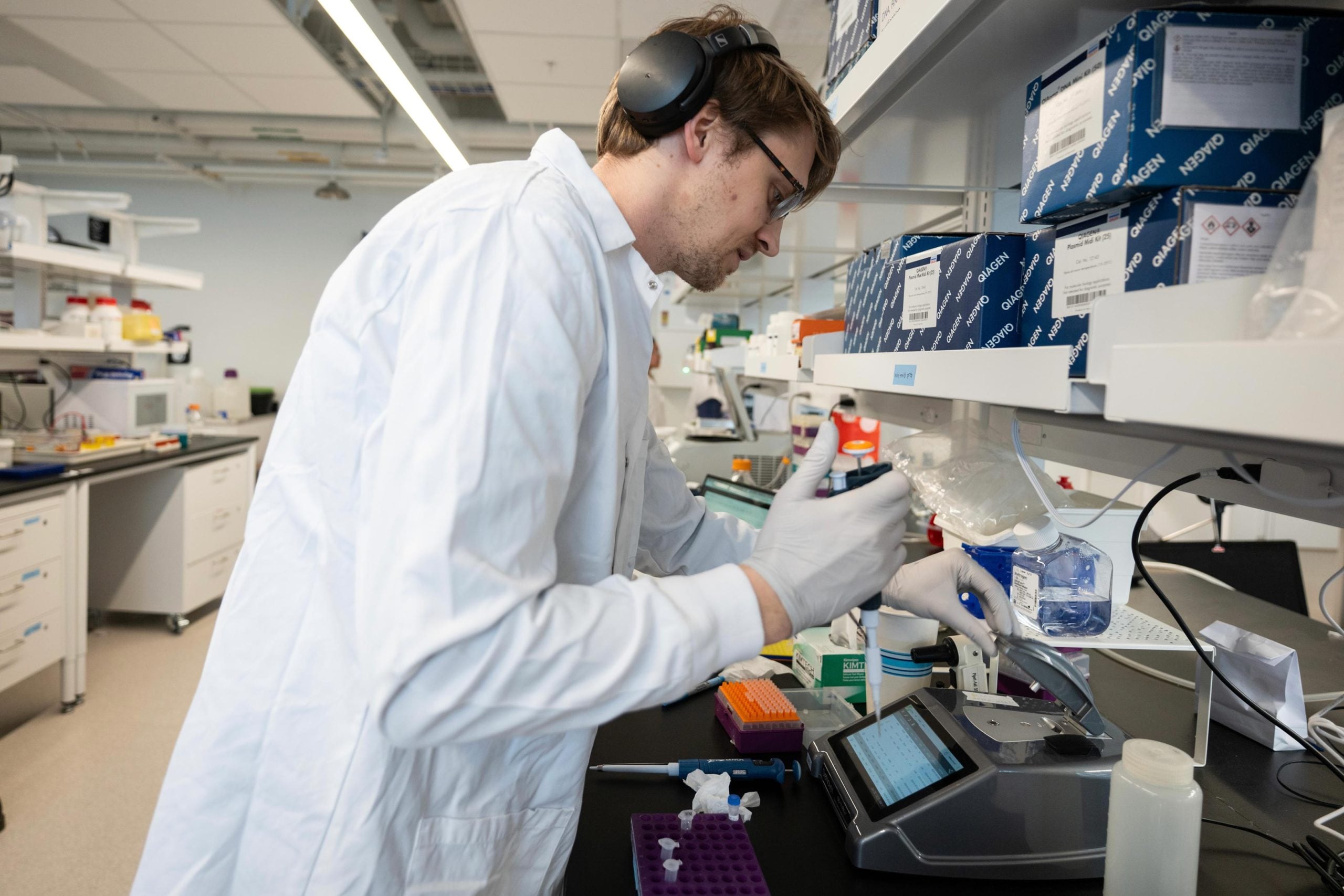
“The long-term goal is to have off-the-shelf cell therapies that are manufactured ahead of time and on a larger scale from a renewable source like stem cells,” said co-senior author Dr. Megan Levings, a professor of surgery and biomedical engineering at UBC. “This would make treatments much more cost-effective and ready when patients need them.”
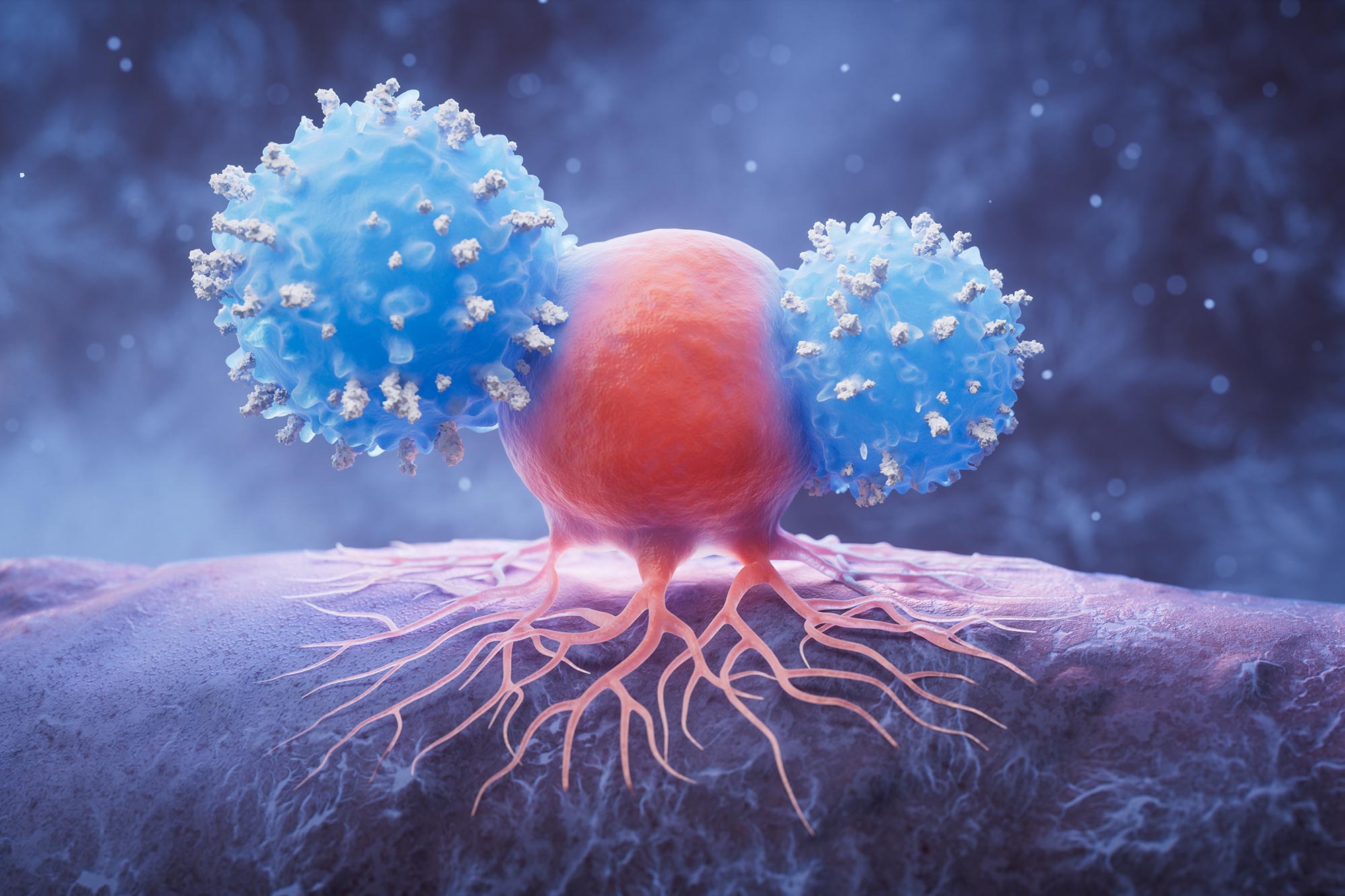
For cancer treatments in particular, immune therapies are most effective when they include two types of T cells. Killer T cells directly attack cancerous or infected cells. Helper T cells act as the immune system’s conductors—detecting threats, activating other immune cells, and helping sustain the immune response over time.
While researchers have made progress using stem cells to produce killer T cells in the lab, reliably generating helper T cells has remained out of reach.
“Helper T cells are essential for a strong and lasting immune response,” said Dr. Levings. “It’s critical that we have both to maximize the efficacy and flexibility of off-the-shelf therapies.”
A Major Step Toward Stem Cell-Based Immune Therapies
In the new study, the UBC team found a way to overcome this barrier by carefully adjusting biological signals that guide how stem cells develop. By controlling these signals, they were able to determine whether stem cells matured into helper T cells or killer T cells.
The researchers identified a signaling pathway called Notch as a key factor in this process. Notch is required early on for immune cells to form, but if the signal stays active for too long, it blocks the development of helper T cells.
“By precisely tuning when and how much this signal is reduced, we were able to direct stem cells to become either helper or killer T cells,” said co-first author Dr. Ross Jones, a research associate in the Zandstra Lab. “We were able to do this in controlled laboratory conditions that are directly applicable in real-world biomanufacturing, which is an essential step toward turning this discovery into a viable therapy.”
Just as important, the lab-grown helper T cells did more than look the part. They behaved like real immune cells. The cells showed signs of full maturity, carried a wide variety of immune receptors, and were able to develop into specialized subtypes with distinct roles in the immune system.
“These cells look and act like genuine human helper T cells,” said co-first author Kevin Salim, a UBC PhD student in the Levings Lab. “That’s critical for future therapeutic potential.”
The team says the ability to produce both helper and killer T cells, and to carefully control the balance between them, could greatly improve the performance of stem cell-derived immune therapies.
“This is a major step forward in our ability to develop scalable and affordable immune cell therapies,” said Dr. Zandstra. “This technology now forms the foundation for testing the role of helper T cells in supporting the elimination of cancer cells and generating new types of helper T cell-derived cells, such as regulatory T cells, for clinical applications.”
Reference: “Tunable differentiation of human CD4 + and CD8 + T cells from pluripotent stem cells” 7 January 2026, Cell Stem Cell.
DOI: 10.1016/j.stem.2025.12.010
Never miss a breakthrough: Join the SciTechDaily newsletter.
Follow us on Google and Google News.