This post was originally published on here
Key Takeaways
- Best-by dates don’t reflect safety, so foods often remain edible well beyond the printed date.
- Manufacturers add built-in buffers to best-by dates, allowing many shelf-stable foods to last far longer than expected.
- Smell, look, and texture matter more than dates—off odors, mold, or slime are the true signs to discard food.
You reach into your pantry for a can of tomatoes to make shakshuka, black beans for an easy weeknight casserole, or tuna for a classic melt, but before you open the tin, you notice it’s just past its best-by date. For many of us, the date stamped on a package feels like a hard line between what is safe and unsafe. Yet, that assumption is often a costly misunderstanding.
We spoke to food scientists and a leading food waste advocate to understand what best-by dates mean when used on food. Understanding what that date actually represents and how to use your senses alongside it can help you waste less food and save money while still eating safely.
- Dana Gunders, president of ReFED, a nonprofit working to help reduce waste in the U.S. food system waste and author of the Waste-Free Kitchen Handbook
- Brian Chau, food scientist and food systems consultant
- Walter Dullemond, food scientist and president of FTC International Consulting Ltd.
What ‘Best By’ Actually Means
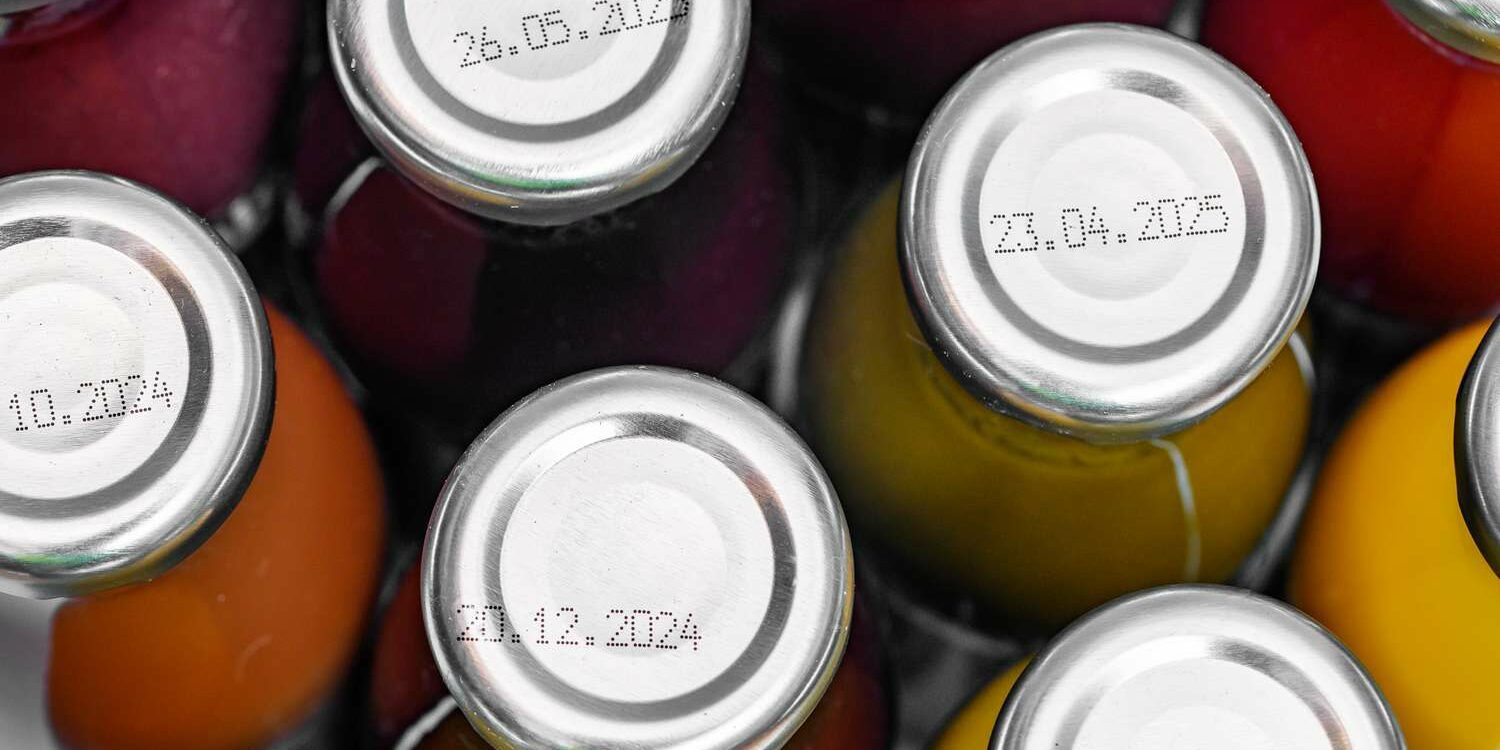
A best-by date is a manufacturer’s estimate of when a food will taste, smell, and feel its best. It’s about quality, not safety. It’s not a deadline.
“Most dates are not meant to tell you when food is bad or that you should not consume it,” says Dana Gunders, president of ReFED, a nonprofit working to help the U.S. food system waste less food. They are meant to tell you when it’s at its peak quality/best by, but it’s still fine to eat after, and sometimes long after.”
As foods age, their flavors, textures, and aromas can change, even when the product remains perfectly safe to eat. Crackers may lose their crispness, coffee can taste flat, and dairy products may develop subtle flavor shifts. What the date does not mean is that the food suddenly becomes unsafe the day after its best-by date.
That distinction is critical, and often misunderstood.
Why Food Companies Use Best-By Dates
Food manufacturers use best-by dates to ensure we, as consumers, experience the product as they intended. From a brand standpoint, it helps prevent someone from trying a product after its quality has declined and assuming that’s how it’s supposed to taste. These dates also play a role in inventory management, helping retailers to rotate stock.
“Best-by dates are generally for retailers to pull products off the shelf for products that lose quality or are not selling fast enough,” says Brian Chau, a food scientist consultant who has helped to develop and launch more than 500 products across more than 13 categories in food, beverage, and supplements. Quality issues may include color loss, flavor loss, or texture changes. The date means the food is still safe to eat and edible.”
In the United States, quality-based date labels, such as best by, are largely unregulated at the federal level, with the major exception being infant formula, which does carry a safety-based expiration date.
How Best-By Dates Are Determined
Because best-by dates are largely unregulated, manufacturers set them based on shelf-life testing conducted under controlled conditions.
“There is always a buffer built into product best-before dates, and that is designed to deliver a product with the optimum freshness and ideal flavor profile,” says Walter Dullemond, food scientist and president of FTC International Consulting Ltd.
This typically includes sensory testing, such as tasting and smelling products over time, and chemical tests that track changes like oxidation or moisture loss.
According to Dullemond, for refrigerated foods, tests are also conducted to determine how quickly spoilage organisms grow and how they will spoil the food. “For refrigerated foods, it is in the manufacturer’s best interest to ensure the longest possible shelf life to permit for distribution, storage, and sale. Typical targets are 60 and 90 days, since grocery stores do not love products that have a shelf life of less than 30 days,” Dullemond says.
Breads, he says, have a shelf life that rarely exceeds 30 days. Even with preservatives and dough conditioners, breads are hard to keep stable and tend to go stale and/or grow mold.
For dry goods, Dullemond says manufacturers rely on the shelf life of the raw materials they receive and will set a best-before date. While for canned goods the shelf life is essentially unlimited, “It isn’t unusual to have a can of tomato sauce that is five years old be perfectly fine. Consumers do not love the idea of five-year-old tomato sauce or Spam, but they are perfectly fine,” he explains.
Manufacturers tend to be conservative when setting best-by dates. “Companies build in a buffer based on lead times or holding times from manufacturing to distributor to retailer,” Chau says, adding that in some cases, at least 25 percent shelf life is built to the date.
Don’t Miss
Foods Where Best-By Dates Matter Most for Quality
Some foods show quality changes quicker than others once they pass their best-by date, even though they are still safe to eat. Think foods that are sensitive to air and light. For instance, nuts, seeds, nut butters, and chocolate are more prone to oxidation, which can lead to rancid flavors or a gritty texture. Spices and coffee don’t spoil, but they gradually lose aroma.
Snacks such as chips and crackers are prone to staling, but you can extend their life to some extent. I’ve seen fun examples of a cookie company recommending how to use cookies if the pieces are broken, and a cracker company with a recommendation on popping them in the toaster oven to revive them and extend their life, says Gunders.
Foods That Often Outlast Their Best-By Date
On the other hand, many shelf-stable foods last far longer than their best-by dates suggest. Canned goods, dried pasta, rice, sugar, and frozen foods often remain high quality well past the printed date, provided they’re stored properly.
Even many dairy items will last longer than you think, according to Gunders. “Milk and yogurt are two of the biggest,” she says. “Yogurt basically never goes bad, it’s good well past its date, and milk, as long as it’s pasteurized, will also last a while, and even sour milk you can use as a substitute for buttermilk.”
Frozen foods will also stay fine so long as they are stored properly. Chau also lists hard candies so long as the ingredients are mostly sugar, dried fruit and vegetables, lean jerkies, canned products with opaque packaging, dried beans, and noodles as foods that will last long past their best-by date.
“Condiments like ketchup and mustard, too, but mayo separates,” Chau says.
Keep in mind that the best buy date doesn’t apply once the food is open, says Gunders.
How to Judge Food Quality Yourself
Rather than relying solely on the date, food scientists recommend using your senses.
Aroma is the primary focus, says Chau. If you have already bought an item, open and smell it. If it smells bad, then toss it out, he advises.
You can take a small taste to confirm quality, though experts emphasize erring on the side of caution for perishable foods. “The rule of thumb is to be extra careful with the foods they tell pregnant women to avoid, and that’s because of increased listeria risk,” Gunders says.
While best-by dates relate to quality, the long-standing rule still applies: when something seems genuinely off, it’s best not to eat it. “If the product looks bad, if there are fuzzy or slimy parts, throw it out,” Chau says.
The Difference Between Best By, Use By, and Sell By
Remember, not all date labels mean the same thing. Best-by dates refer to quality, while use-by dates are sometimes used to indicate safety—particularly for highly perishable foods. Sell-by dates are intended for retailers, not consumers, and indicate the recommended shelf life of a product.
A Smarter Way to Use Date Labels
Using best-by dates as one tool, rather than an absolute rule, can make managing your pantry easier and help you waste less food and money. Proper storage, buying realistic quantities, and rotating pantry items so older products are used first can all help extend quality.
“Trust yourself, when in doubt, cook it or freeze it, it’s going to be fine,” says Gunders.